
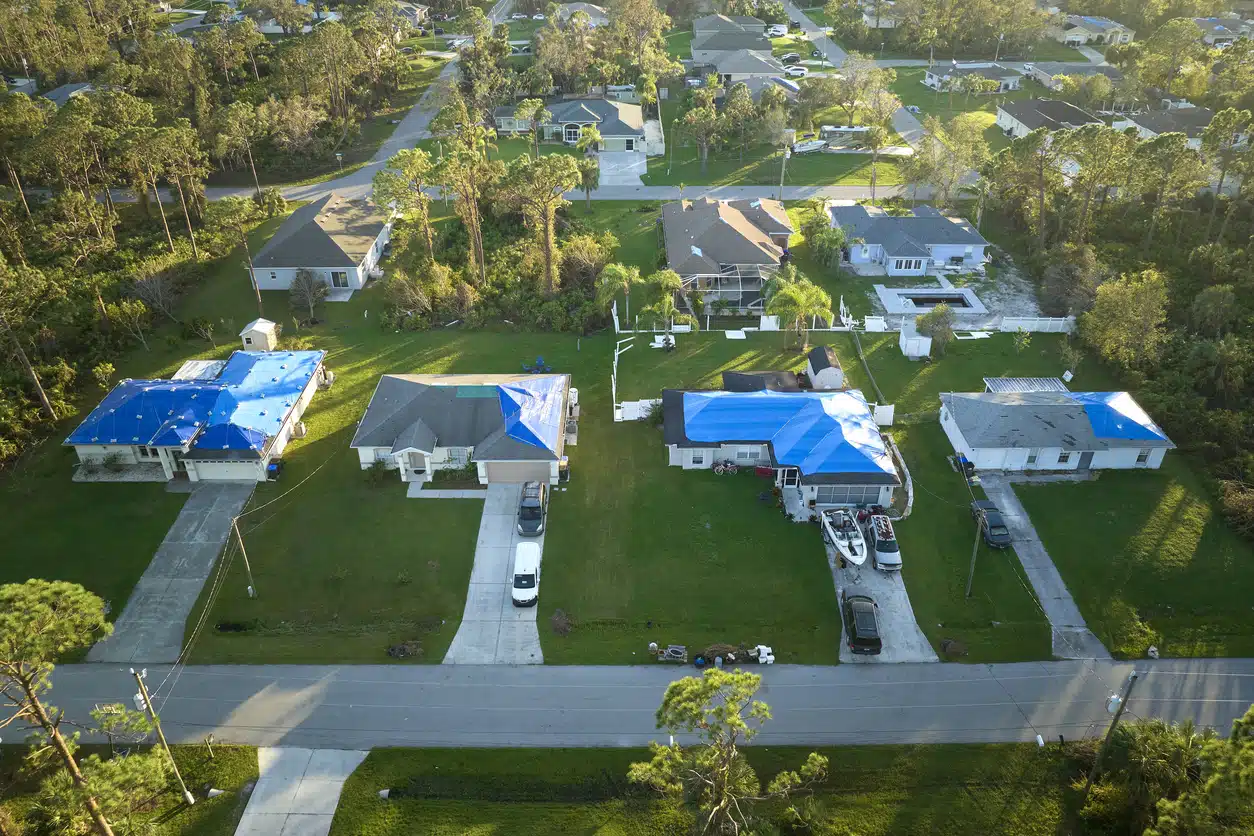
Moving after a natural disaster can feel overwhelming in every way — physically, emotionally, and logistically.
In the days and weeks that follow a disaster, your priorities can shift in an instant. You may find yourself working with inspectors, insurance adjusters, emergency services, aid organizations, and professional movers — all while coping with the shock and uncertainty that comes after such a horrible event.
This guide is here to support you through it. You’ll find clear steps to help you stay safe, secure temporary housing, and plan your next move.
Staying Safe and Securing Your Home
Before taking any steps toward moving or salvaging your belongings, your immediate priority should be making sure your home is truly safe to reenter. Even if the damage looks minor, hidden hazards can be common after floods, fires, and hurricanes.
Wait for Official Clearance
Even if everything looks safe from the outside, there can still be potential hazards like electrical issues or gas leaks inside your home that could put you or someone else at serious risk. Because of this, don’t go back into your home until authorities, emergency crews, or utility professionals let you know it’s safe to return.
Check for Hazards
Once you’ve been given the all-clear to return home, still use extreme caution when you first reenter your home to collect your belongings. Depending on the type of disaster you’ve faced, here are a few specific hazards to look out for:
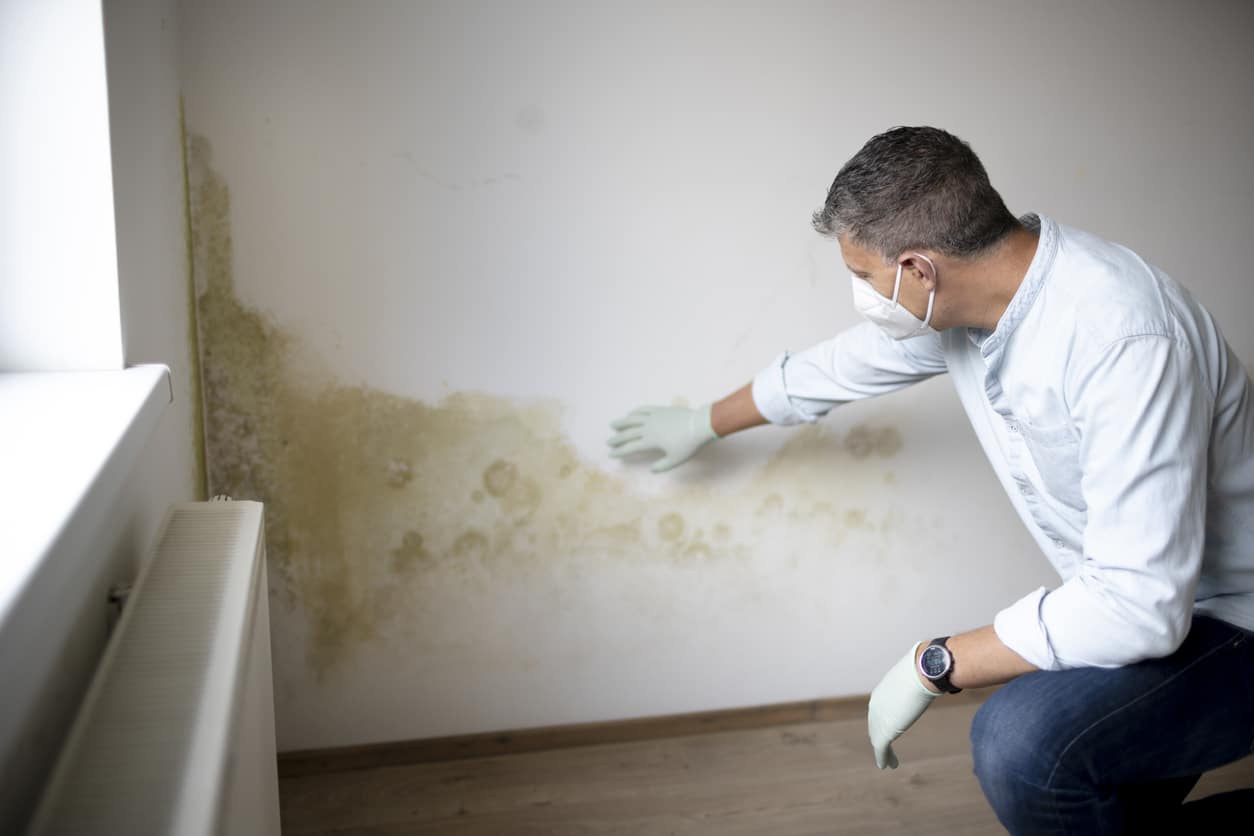
Moving after your house floods: Waterlogged flooring, hidden mold, weakened support beams, and contaminants in standing water
Moving after a house fire: Soot residue, unstable framing, compromised roofs, and toxic fumes
Moving after a hurricane: Roof damage, shattered windows, downed power lines, and scattered debris
When To Bring in Professionals
Usually, restoration experts, licensed inspectors, electricians, and gas utility technicians should assess your home before you remove any belongings or prepare to move. These specialists can check your home’s structural integrity, air quality, and utilities to ensure you aren’t putting yourself in danger during the move. Plus, their official documentation of any damage can also help later with insurance claims and long-term recovery planning.
Finding Temporary Housing & Post-Disaster Logistics
Once you’ve dealt with the immediate aftermath and ensured everyone is safe, your next step will be finding a place to stay and figuring out how to take care of the most urgent post-disaster details. Here’s what to handle first.
Finding Immediate Shelter
Moving after a natural disaster may be the last thing on your mind — but if your home isn’t safe, you’ll need to at least find somewhere you can stay short-term.
Many people choose to stay with family or friends the first few days. Others might book a hotel or motel. If those aren’t viable options for you, you can also text SHELTER + your ZIP code to 43362 (4FEMA) to locate emergency shelters nearby.
FEMA & Local Aid Options
Luckily, there are several ways to get help after a natural disaster. FEMA can provide temporary housing, trailers, or financial assistance, and local nonprofits or community organizations often step in with food, income support, or other basic necessities.
If you’ve lost important documents (e.g., your social security card or passport) try to replace those as soon as possible. You’ll need these for submitting claims, filling out housing applications, and setting up long-term planning.
Does the government pay for your house after a hurricane?
Unfortunately, the government doesn’t typically buy or replace damaged homes. Instead, FEMA might provide limited grants or temporary housing assistance to help you get back on your feet. Full coverage for repairs or rebuilding your home will usually come through your specific insurance policy — especially if you have hurricane or flood insurance.
What’s Next: Rebuild or Relocate? (Pros, Cons and Key Considerations)
After the initial chaos settles, you’ll face one of the biggest and most personal decisions of all: whether to rebuild your home or relocate entirely. There’s no “right” answer here — that choice will come down to cost, safety, insurance, long-term risks, and of course, how you feel about it all.
Factors To Consider: Moving After a Natural Disaster
When you’re trying to decide whether to rebuild or relocate, start by estimating the cost of rebuilding versus the cost of moving.
This will include checking which belongings can be salvaged and moving them into safe storage or a family member’s garage, basement, or attic. It will also mean reviewing your insurance coverage carefully — looking at things like payout timelines, exclusions, replacement allowances, and contents coverage. You might be able to get some of your essentials replaced through insurance, disaster relief, or community support.
Most importantly, think about your long-term safety. If, for instance, your home is in an area that’s likely to experience a similar natural disaster again, this could affect what feels like the right move for you.
Reasons To Consider Moving (By Type of Disaster)
The aftermath of a natural disaster can lead to long-term safety issues in your home that might make moving somewhere new the safer or more practical choice. Here are a few of the potential risks to keep in mind.
Reasons for moving after your house floods
Mold growth that’s costly or impossible to fully remediate
Ongoing water intrusion issues
Long-term habitability concerns
A high likelihood of future flooding
Costly flood insurance premiums
Reasons for moving after a house fire
Soot contamination throughout the home
Weakened structural supports
Lingering smoke and air quality issues
Reasons for moving after a hurricane
Damaged or failing infrastructure
Limited access to roads, utilities, or services
Prolonged power outages
Higher future risk in hurricane-prone regions
Pros and Cons of Moving After a Natural Disaster
Why should you move after a natural disaster? You may choose to move after a natural disaster to protect your family’s safety, avoid future risks, and regain stability sooner. But there can also be compelling reasons to stay. Here are a few of the key pros and cons for you to consider when making your decision.
Pros of moving away after a natural disaster
The potential of better long-term safety
A fresh start in a safer location
A quicker path to normalcy
Access to stable utilities and infrastructure
Cons of moving away after a natural disaster
Emotional ties to your old home and local community
Unpredictable financial costs (like the cost of moving or the cost of living in a new place)
Loss of local support networks
Difficulty adjusting to a new area
| Ready to plan your relocation? Get a fast, free quote from Colonial. |
Relocation Tips for Moving After a Disaster
If you decide moving after a natural disaster is the best choice for you, the moving process will look a bit different than a standard long-distance move. Here are a few tips to help you navigate this successfully.
Don’t move damaged or mold-exposed items. Any of your belongings that are damp or potentially contaminated can spread mold or pests, so make sure you inspect everything very carefully.
Document all the damage before you start packing. Photos and videos can support insurance claims and financial assistance requests.
Research risks in the place you want to move to. Just because you’re moving somewhere new doesn’t mean it won’t have its own set of natural disaster risks. If you’re moving out of state or to an otherwise unfamiliar area, review flood maps, wildfire zones, and hurricane patterns before choosing your next home.
Pack important documents in a waterproof and fireproof container. You’ll want your IDs, medical records, titles, and insurance papers to stay both accessible and protected during the move.
Hire a reputable, full-service moving company. After a disaster, logistics can be exhausting and the last thing you want to deal with. Trusted full-service movers experienced in long-distance moves can manage packing, loading, transport, storage, and coordination so you can focus on recovery.
Consider temporary housing in your new area. Renting an affordable apartment and keeping your belongings in storage can give you some breathing room to evaluate whether you’re making the right long-term decision.
Stay connected with assistance programs. Some relief organizations can help cover relocation or temporary housing costs — don’t let those resources go to waste.
Emotional Recovery and Community Support
Stress, grief, and a sense of instability after a natural disaster can affect everyone in your household. That’s why recovering is about so much more than fixing damaged property — it’s also about healing, finding support, and giving yourself time to recuperate. The good news is that there are plenty of national and local organizations ready to help you navigate both the practical and emotional sides of rebuilding.
The Emotional Toll of Post-Disaster Moving
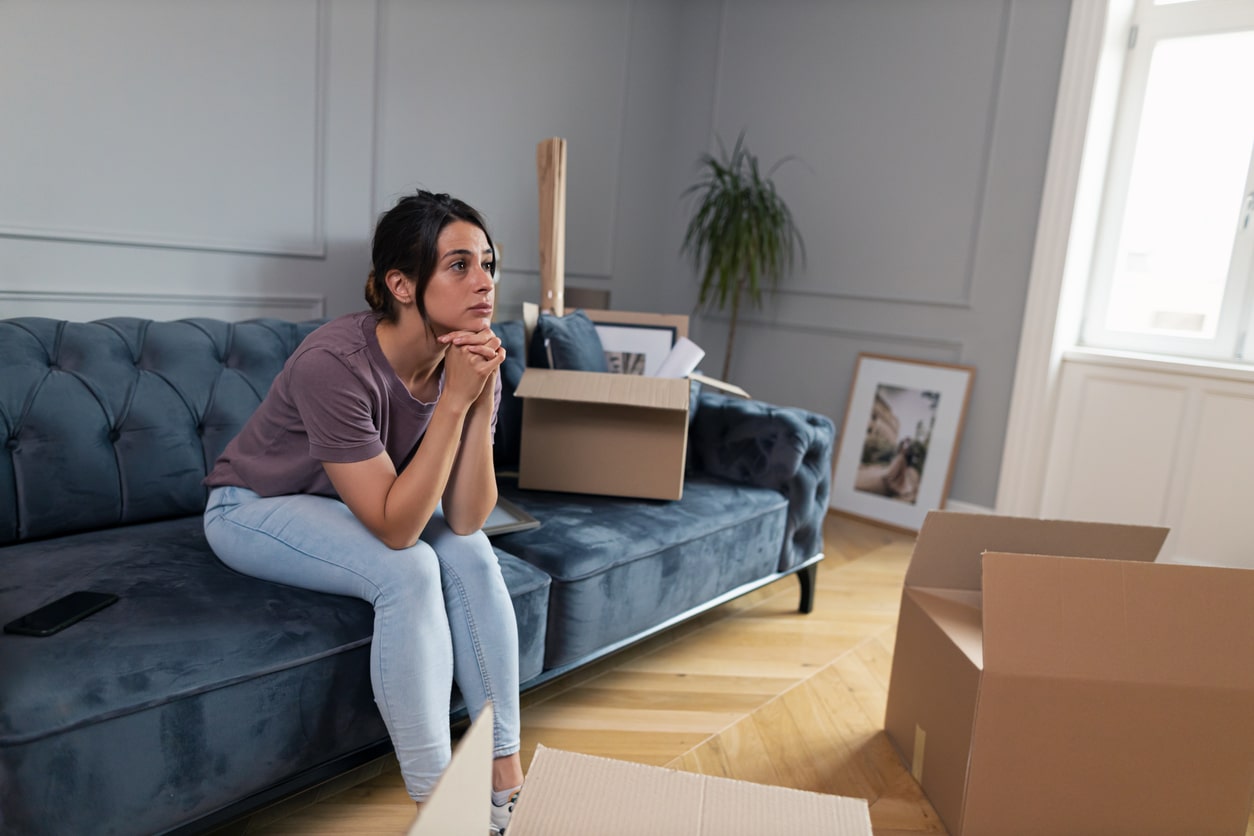
Moving after a disaster can bring a mix of grief, shock, and uncertainty. You may be dealing with trauma, lost belongings, disrupted routines, or stress about what comes next. If you have children or elderly parents living with you, they may also need some extra reassurance and stability during this time. Acknowledging their emotional challenges — and your own — is an essential step in the recovery process if you do decide to relocate.
Available Resources
Organizations like the American Red Cross, FEMA, and the Administration for Children & Families (ACF) can offer crisis counseling, financial support, and recovery programs, and rebuilding groups like Habitat for Humanity or local volunteer crews may also be able to help with home repair or debris removal.
Community groups, local faith organizations, and mental health services can also offer guidance, volunteer help, and emotional care.
Final Checklist Before You Move
Before you head to your new home or temporary housing, make sure you’ve covered the essentials. This quick checklist will ensure you’ve handled the most important tasks.
Document all your home and property damage.
Confirm your temporary housing arrangements.
Communicate with your insurance representatives.
Hire movers and confirm your move date.
Secure important documents and emergency supplies.
For additional moving coordination tips, try using moving apps or check out our comprehensive moving checklist.
Why Colonial Van Lines Is Good for Moving After a Natural Disaster
At Colonial Van Lines, we understand how disruptive and emotionally draining moving can be after a natural disaster. As an interstate moving company with extensive experience and more than 250,000 long-distance moves completed, we’ve built the nationwide network needed to support families who relocate to safer areas.
All our movers complete specialized training through Colonial Van Lines University (CVLU), where they learn meticulous packing, lifting, and loading techniques — skills designed to keep your belongings safe for long-distance transit.
Colonial offers both packing and moving services, which include loading and long-distance transport, as well as storage services, if needed. If you need time to find permanent housing, we can move your items into storage and deliver them once you’ve chosen your new home. We can also coordinate around things like restricted access zones and insurance timelines so you can have reliable support during this big transition.
Relocate Safely with Colonial Van Lines
Recovering from a natural disaster is never easy, but taking things day by day, one step at a time, can help you find stability.
If you’re ready to relocate to a safer, more stable area, Colonial Van Lines is here to make the transition easier. Our long-distance team can provide dependable support through full-service packing, hauling, and transportation so you can focus on settling in, regaining your balance, and rebuilding your life. Get started today with a fast, free quote.