

If you’re feeling like it costs more just to get by these days, you’re not alone. According to the U.S. Bureau of Labor Statistics, consumer costs rose nearly 25 percent from 2020 to 2025. That kind of shift changes how people think about affordability. And it includes whether staying put makes financial sense, or if it’s time to move to a cheaper city.
Across the country, many families are researching the cheapest states to live in the U.S. as a practical way to regain some financial breathing room. Moving to a cheaper city influences more than your monthly budget. It affects how much you can save, how much time you have to spend working, and how soon you can reach your long-term goals.
This guide highlights some of the cheapest places to live in the U.S. We break down what life actually looks like in these areas, and what to consider before taking the plunge and hiring long-distance movers to relocate to a cheaper city.

Where Is the Cheapest Place to Live in the U.S.?
There are plenty of affordable cities to choose from in the U.S., but the cheapest city to live in is Decatur, Illinois. Low housing costs are one of the key reasons Decatur is such an affordable place to live, with median home values around $96,000. That means the city’s median household income of around $50,000 can go a long way, allowing families the ability to have more disposable income.
To put that into perspective: you’d need to earn roughly $82,000 in New York City or about $90,000 in San Francisco to have a similar standard of living.
Top 10 Cheapest States to Live in the U.S.
If you’re thinking about moving to a cheaper state, it helps to look at the places that consistently rank well for affordability. Below is a quick look at the cheapest states to live in the U.S.
These states offer lower housing costs, manageable taxes, and day-to-day expenses that stay well below the national average. Don’t count out moving to Kentucky just because it’s ranked number 10. The bluegrass state has a lot to offer!
1. Arkansas
2. Mississippi
3. West Virginia
4. South Dakota
5. Oklahoma
6. Louisiana
7. Iowa
8. Alabama
9. North Dakota
10. Kentucky
Cheapest States To Live in the U.S.: A Closer Look
If you’re planning on moving to a cheaper state, you’ll find the cheapest states to live in the U.S. are concentrated in the South and the Midwest. Lower housing costs, modest taxes, and lower prices on everyday expenses create a noticeably lighter financial load. These states have a lot to offer, as you can see in our breakdown of the benefits in the top three cheapest states in the U.S.
1. Arkansas
Region: South
Population: 3 million
Median income: $58,773
Median home price: $216,341
Median rent: $957
Unemployment rate: 3.8%
Arkansas’ climate is a big part of its appeal. Mild winters and long summers make it a great place for outdoor enthusiasts. Northern Arkansas includes parts of the Ozarks, offering rugged hills, clear rivers, and plenty of hiking and fishing.
There’s also plenty of culture to be found in this southern state. Little Rock isn’t just the state capital, it’s the largest city in Arkansas and the center of cultural and economic activity. From the Arkansas Museum of Fine Arts to the Historic Arkansas Museum, as well as plenty of festivals including one for Mardi Gras, there’s plenty to keep you busy in Little Rock.
There are also plenty of smaller communities to choose from where you can experience the state’s low cost of living. From Rogers to Fort Smith to Conway, affordable housing is a major draw for living in Arkansas. While you might find a smaller job market than in some states, you get the benefits of friendly communities and easy access to nature.
2. Mississippi
Region: South
Population: 2.9 million
Median income: $54,915
Median home price: $186,446
Median rent: $994
Unemployment rate: 3.9%
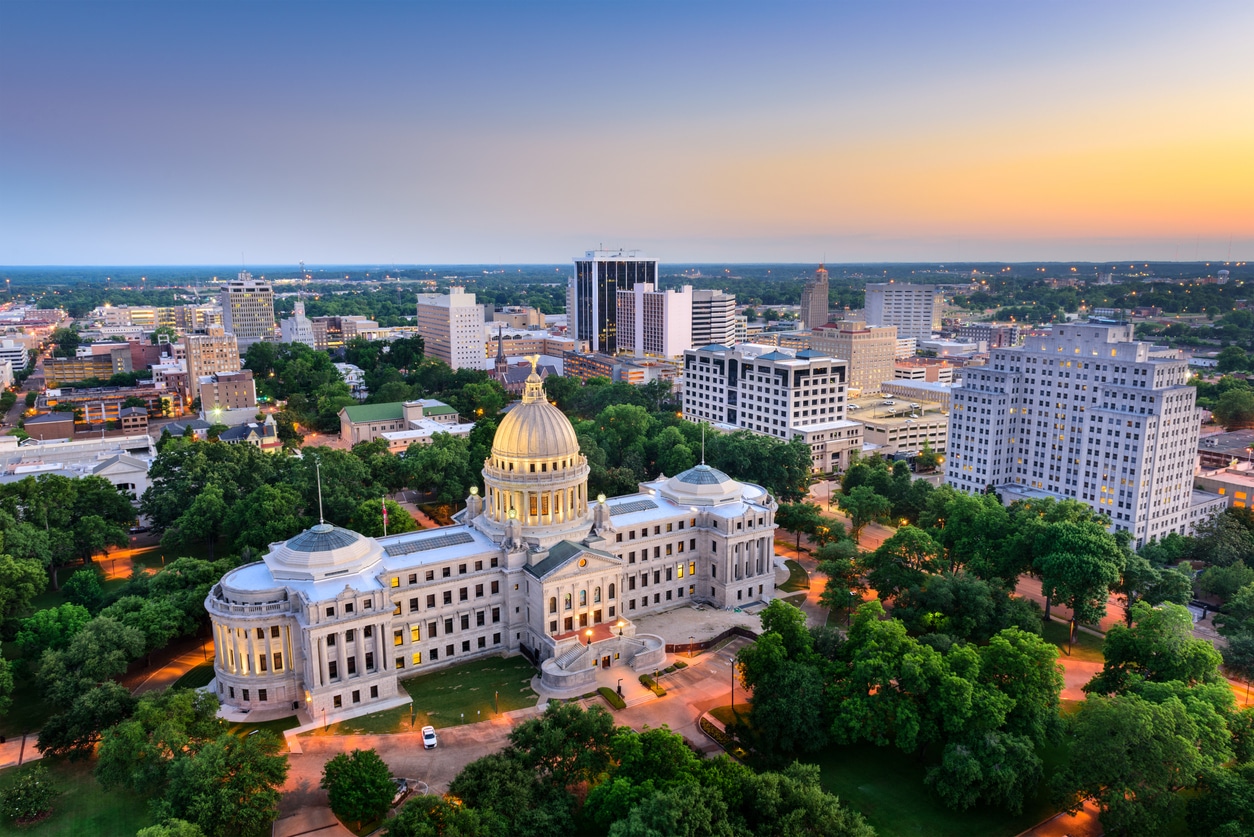
Mississippi is known as the birthplace of the blues, a piece of cultural history that still shapes local music and community events. Travel along Highway 61 in the Delta, and you’ll be following the Mississippi Blues Trail, which is home to nearly 200 historic sites and museums.
In addition to music, there’s plenty to do in Mississippi. If you’re looking for city life, Jackson is the largest city and the center of the state’s jobs, health care, and arts scene. The state’s warm, humid climate with long summers and short winters, makes outdoor life accessible year-round. Enjoy bird watching at Gulf Islands National Seashore, or fishing in the Tennessee River at J.P. Coleman State Park.
The appeal of moving to Mississippi is clear: low housing costs makes it affordable, and it offers plenty of space and a slower rhythm. The drawbacks — job availability in certain regions and fewer big-city amenities, depending on where you choose to live.
3. West Virginia
Region: Mid-Atlantic
Population: 1.8 million
Median income: $57,917
Median home price: $169,372
Median rent: $969
Unemployment rate: 3.8%
West Virginia is known for its four-season climate, majestic mountains, and small-town pace. Charleston, with its gold-domed capitol building, is the largest city and the state’s main center for government, health care, and business. You’ll also find culture and activities in other West Virginia cities — from Saturdays spent watching football at Marshall in Huntington or WVU in Morgantown to shopping for folk art at Tamarack in Beckley.
Many residents of West Virginia choose the rural life, and the state’s landscape is a major reason—offering perks like hiking in the New River Gorge to simply enjoying the scenery on a daily commute. Low housing costs and plenty of places to experience outdoor adventures are some advantages to life in West Virginia. The challenges include a depressed job market in some regions and longer travel times between major service areas or airports.
Top 10 Cheapest Cities to Live in the U.S.
LPeople looking to move to a cheaper city? Start by often look checking out theat places that consistently rank among the cheapest cities to live in. Below are the top 10 cities with the lowest cost of living. You also might consider a movinge to Texas, as two cities in that state appear on this list.
1. Decatur, IL
2. Enid, OK
3. Weirton, WV
4. Springfield, IL
5. Mission, TX
6. Bay City, MI
7. Eagle Pass, TX
8. Fort Smith, AR
9. Anniston, AL
10. Midland, MI
Cheapest Cities To Live in the U.S.: A Closer Look
According to data from U.S. News & World Report, these U.S. cities stand out for having the lowest overall living costs — from housing and utilities to everyday essentials. These urban areas are options for moving to a cheaper city where you can take advantage of affordability without completely giving up on the amenities of city life.
1. Decatur, IL
Region: Central Illinois
Population: 70,000
Median income: $50,809
Median home price: $99,441
Median rent: $708
Unemployment rate: 6.2%
Decatur has a four-season climate with warm summers and cold winters, typical of central Illinois. It’s an old industrial city with deep roots in agriculture and manufacturing, and it’s conveniently located in the state, about 45 minutes from Springfield and an hour from Champaign.
One interesting piece of local history: Decatur was the first home of the Chicago Bears. The team got their start here as the Decatur Staleys in 1919. The city’s biggest strengths are its extremely low housing costs and manageable pace of life. Downsides include a smaller economy than nearby metros and fewer cultural or entertainment options.

2. Enid, OK
Region: Northern Oklahoma
Population: 51,000
Median income: $67,302
Median home price: $131,571
Median rent: $730
Unemployment rate: 3.1%
Enid sits in northern Oklahoma where it boasts a sunny, semi-arid climate with hot summers and mild winters. The city has strong ties to agriculture and the energy industry. It’s about 90 minutes from Oklahoma City, which gives residents access to a larger metro without sacrificing the lower costs of a smaller community.
Enid is known for its grain storage history. At one point, the city held one of the largest grain elevator capacities in the world. People choose to move to Enid for its stable job opportunities, low housing costs, and a slower, family-friendly atmosphere. The trade-offs include fewer big-city amenities and longer drives for major entertainment or specialized services.
3. Weirton, WV
Region: Northern West Virginia
Population: 18,000
Median income: $56,699
Median home price: $142,070
Median rent: $508
Unemployment rate: 6%
Weirton sits along the Ohio River in the northern panhandle of West Virginia. Its four-season climate with warm summers and cold winters is attractive to many people. It’s positioned between two major cities — Pittsburgh to the east and Wheeling to the southwest — which gives residents access to larger job markets, hospitals, and entertainment while living in a place with a small-town feel.
The city grew around steel production, a history that still shapes its identity and neighborhoods. Living here offers clear advantages: low housing costs, quiet communities, and proximity to bigger cities when you need them. The downsides include a limited local job market and fewer amenities within city limits compared to nearby metros.
| Moving to one of the cheapest places to live in the U.S.? Get a fast, free quote from Colonial. |
What To Consider Before Moving to a Cheaper State
The numbers are attractive — lower rent, cheaper groceries, or a more budget-friendly mortgage can make moving to a cheaper state feel like an easy decision. But affordability is only part of the equation. Life isn’t lived on a spreadsheet. Before you decide to move to a cheaper city, consider a few big-picture things as well. Analyzing the pros and cons is just one item before you start your moving checklist for moving to a cheaper state.
Local culture and things to do
Every community has its own pulse. Some places revolve around college sports and Friday night lights. Others lean into food, music, or access to the outdoors.
When considering moving out of state, ask yourself whether you’ll enjoy the place once the boxes are unpacked. A low-cost area with activities that match your interests will feel like home faster than one that only looks good on paper.
Proximity to family and friends
Distance can be its own hidden cost. Cheaper housing loses some shine if it means longer travel days or expensive plane tickets to visit family. Losing the support system you rely on for childcare or pet sitting can end up costing too.
Think about how often you want to see the people who matter most and whether a cheaper state puts that within reach or makes it harder.
Average salaries and job opportunities
A lower cost of living often comes with lower local wages. Before moving to a cheaper state, look at the pay ranges for your field and whether the local job market is strong enough to support your goals.
A big drop in income can erase the advantages of cheaper housing, so the move works best when both sides of the equation line up.

Climate and weather
Weather shapes everyday life more than people expect. Hot, humid summers, long winters, storm seasons — each comes with its own lifestyle and budget impacts.
Before making the move to a new state, think about what you want your daily routine to feel like. The right climate can make a cheaper area feel comfortable and sustainable; the wrong one will feel like a mismatch from the start — and you just might end up with higher bills to boot.
Top Moving Options
After making the decision to move to a cheaper city, the next big question is how to make the move happen. You’ll usually land on one of two paths: doing it yourself or having professionals take it off your plate.
DIY with a rental truck
A DIY move keeps costs down, but what you save in money you end up spending in time and effort. You’re the one packing every box, lifting every piece of furniture, driving the truck, and working against the rental clock.
This can work for small moves or short distances, but long hauls often turn into long days, tight timelines, and a lot of heavy lifting.
Hiring full-service movers
Full-service movers handle all parts of a move, including the ones most people dread. They pack, load, transport, and unload, giving you more time to focus on the actual transition rather than logistics.
Hiring full-service movers costs more than renting a truck, but for many people relocating across states, the reduced stress and saved time make it the more practical choice.
Why Colonial Van Lines Is a Great Option When Moving to a Cheaper State
When you’re moving to a cheaper state, long drives, tight timelines, and the sheer amount of coordination can overwhelm even the most organized.
That’s where we fit in. At Colonial Van Lines, we’ve been doing interstate moving for more than 50 years. Our crews arrive skilled and ready, thanks to their training at CVL University — our unique program for packing and handling items the right way.
FAQs: Cheapest Places to Live in the U.S.
Q: Which U.S. city has the lowest cost of living?
A: Decatur, Illinois, currently has the lowest cost of living in the country. Its housing prices, rent, and everyday expenses sit far below national averages, which places it at the top of the list.
Q: Where is the safest, cheapest place to live in the U.S.?
A: Neighborhood Scout looks at crime rates, and when you search for the safest cities that are also cheap places to live, three rise to the top: Weston, Florida; Johns Creek, Georgia; and Morrisville, North Carolina.
Q: Where is rent cheap in the U.S.?
A: According to RentCafe’s recent national rental trends, the states with the lowest average rents include Oklahoma at $1,070/month, Arkansas at $1,131/month, and North Dakota at $1,156/month — all significantly below the U.S. average of around $1,750/month.
Q: Where is the cheapest warm place to live in the U.S.?
A: If you’re looking for a warm climate and low costs, Mission, Texas, is one of the strongest options. It has consistently low housing and rental prices and stays warm for most of the year, making it one of the cheapest warm places to live in the U.S.
Get Ready for Your Next Move
Choosing a more affordable state or city can open the door to a better financial future, but the move itself is big.
When you’re ready to take the next step, we can help. At Colonial Van Lines, long-distance moving is what we do every day. Our trained crews, reliable systems, and focus on smooth interstate relocation make the process easier from start to finish. Start planning your move with a free quote now.