

With 2.7 million residents, if it were its own city, Brooklyn would be the third largest in the country. That’s nearly the size of Chicago! And with its brownstones, bagels, and bars, it’s easy to see the draw.
Living in Brooklyn offers variety. You’ll see high-rises next to prewar walk-ups, quiet residential streets around the corner from busy nightlife, and rents that swing from modest to sky-high with only a few streets in between.
Thinking of making the move? This guide breaks down what you need to know if you’re moving to New York State, including the cost of living in Brooklyn, the rental market, transportation, and safety. We’ll also cover the best places to live in Brooklyn, the job market, and what locals actually do for fun.
7 Things To Know About Living in Brooklyn Before Moving to Brooklyn
Before you pack your boxes and secure long-distance moving services to BK, get to know the borough. Here’s what to consider.
1. The cost of living in Brooklyn is higher than most cities
If you’re moving to Brooklyn, expect big city–level prices. What salary do you need to live in Brooklyn? The basic cost for a single adult is about $60,800 a year before taxes. That’s about 12% lower than Manhattan’s living wage but higher than that of most U.S. metro areas.
Living wage by borough (single adult, 2025):
Bronx: $53,000/year
Brooklyn (Kings): $60,800/year
Manhattan: $68,300/year
Queens: $64,400/year
Staten Island: $63,800/year
State and local taxes also shape the picture. New York State’s income tax ranges from about 4% to 10.9%, with an additional 3% to 3.9% NYC income tax, plus a sales tax of 8.875%.
Planning a move to Brooklyn? Get a fast, free quote today from Colonial. |
2. Getting around Brooklyn offers options for every lifestyle
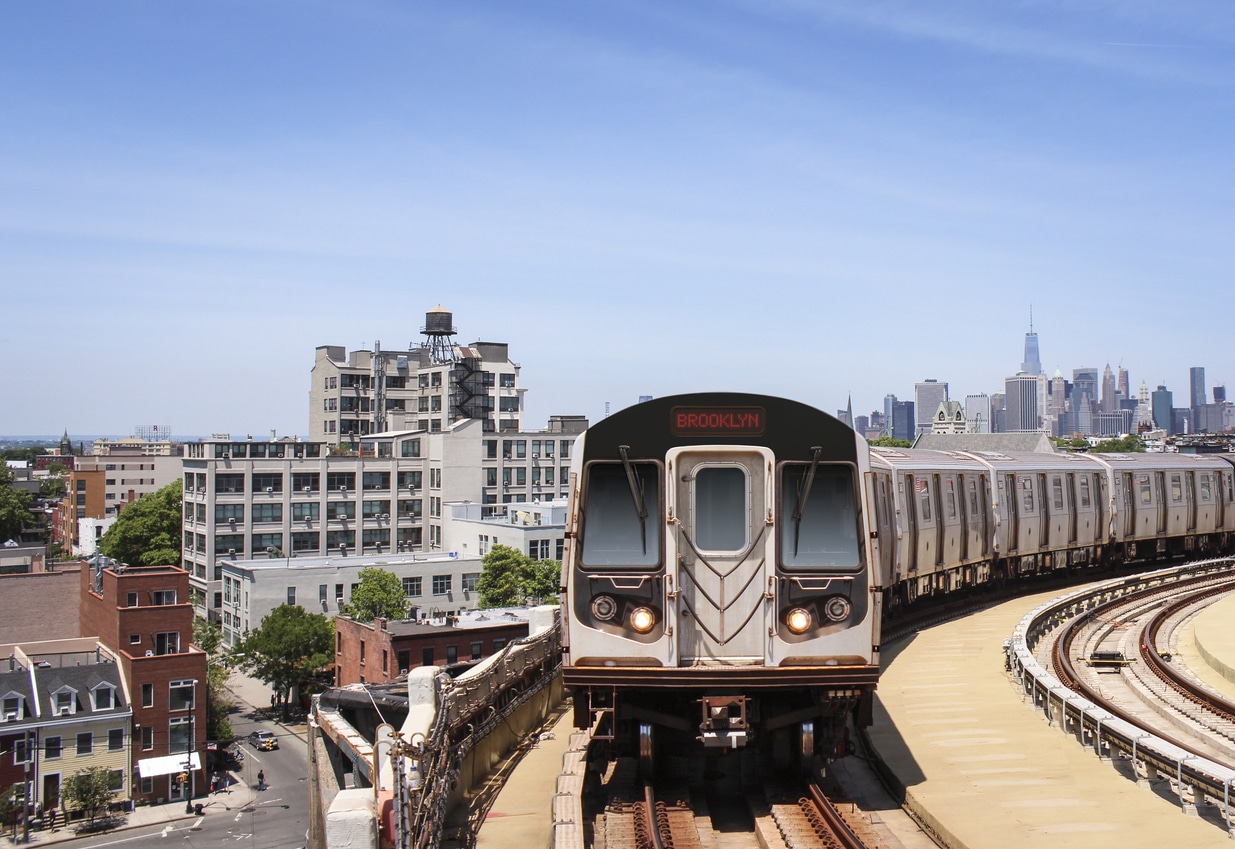
The subway and bus network covers nearly every neighborhood, with a standard fare of $2.90 per ride. You can buy a monthly unlimited MetroCard for $132 (or an OMNY card, which will replace the MetroCard after its retirement in 2026). No matter how you pay, that’s great value for daily commuters.
If you prefer to use your legs, Citi Bike offers annual memberships at $219.99 for unlimited 45-minute rides. On the nautical side, NYC Ferry service connects waterfront neighborhoods for $4.50 a trip. And, of course, you can always snag a yellow cab or rideshare. Expect to pay a reasonable $10–$20 per ride, depending on where you’re going.
Do you need a car if you live in Brooklyn? Most people don’t need a car in Brooklyn. Daily life is possible (and often easier) without one, thanks to the density of transit options and the hassle of street parking. That said, most Brooklynites will tell you that owning a car unlocks the city in a new way. Think about weekend trips to the beach, the Catskills, Costco runs, etc. The trick is figuring out where to park (or how many parking tickets you can afford).
3. Brooklyn’s safety depends on the neighborhood
Is Brooklyn safe? Brooklyn’s overall crime rate is higher than the national average, but like most cities, crime is concentrated in certain areas. Many neighborhoods are considered very safe, while others report above-average incidents, especially at night.
Safest neighborhoods: Flatbush, Park Slope, Red Hook
Higher-crime neighborhoods: East New York, Brownsville, Bed-Stuy
For anyone moving to Brooklyn and concerned about safety, the key is to simply be smart and stay alert. If a situation feels dicey, leave it.
Pro Tip: Need a hand with planning your move? Utilize our moving checklist to make sure you don’t miss a beat. |
4. Renting an apartment in Brooklyn means moving fast
The Brooklyn real estate market is expensive and fast-moving. The average rent is about $4,200 a month, with more affordable options in Midwood ($1895) or Flatbush ($2,048) and luxury prices closer toward $5,000 in neighborhoods like DUMBO ($4,922) or Boerum Hill ($4,650). Compared to Manhattan’s average of $5,600+, Brooklyn is cheaper, but it’s still among the most costly rental markets in the country.
Renting in Brooklyn is a full-contact sport, and great apartments are often snapped up in no time. A tight housing market has even led to bidding wars in recent years, a challenge renters rarely confront in other cities.
Locals joke you can only pick three out of five: in-unit laundry, outdoor space, dishwasher, short commute, or natural light. That sums up the reality. Apartments go fast, and the perfect one rarely exists. For some, the Bronx neighborhoods offer a cheaper alternative with average rents around $1,800–$2,000.
Tips for renting in Brooklyn
Weigh these questions carefully? Are you willing to pay a broker’s fee? Or should you target no-fee listings?
Consider walk-up buildings for lower rent compared to pricier elevator buildings.
Sharing with roommates often cuts costs by 30%–50%.
Keep financial documents ready to apply on the spot.
5. Brooklyn’s job market and economy reward persistence
NYC offers plenty of opportunities, but they’re tempered by extreme competition. The city added 92,000 private-sector jobs year over year to 4.26 million in July 2025, and the seasonally adjusted unemployment rate is 4.8%. Brooklyn’s snapshot shows 5.5% unemployment in December 2024, compared with 5.2% for NYC, 4.1% for New York State, and 3.8% for the U.S.
Should you move without a job? You can, but, as stated, the competition is real. Securing an offer first is safer. If you plan to search after you arrive, target sectors with steady hiring like health care, education, hospitality, and information. Currently, the average annual salary is about $58,000.
6. The best places to live in Brooklyn depend on what you’re looking for
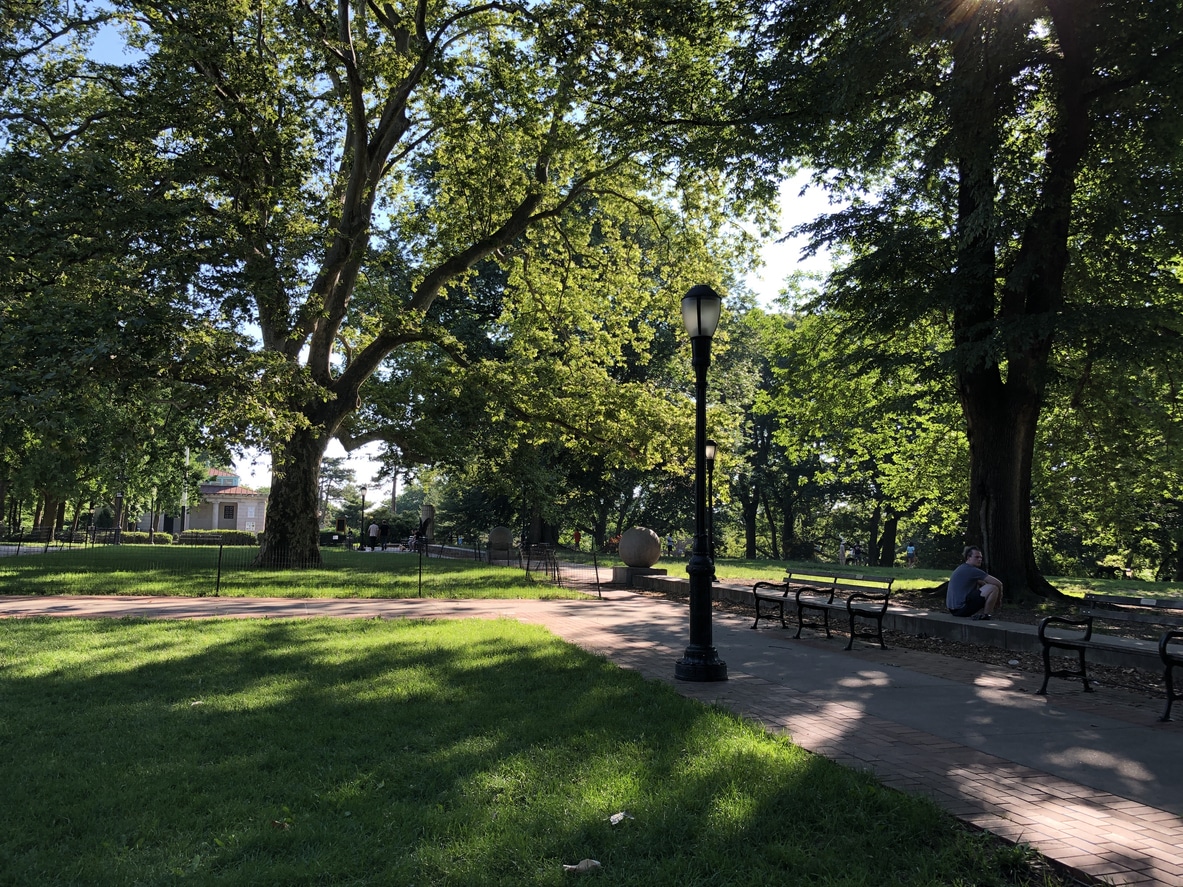
Families, young renters, and budget-minded newcomers all gravitate toward different corners of the borough. Here are three neighborhoods that stand out as some of the best places to live in Brooklyn. For more options, check out our guide to the best Brooklyn neighborhoods.
Park Slope: Best for families
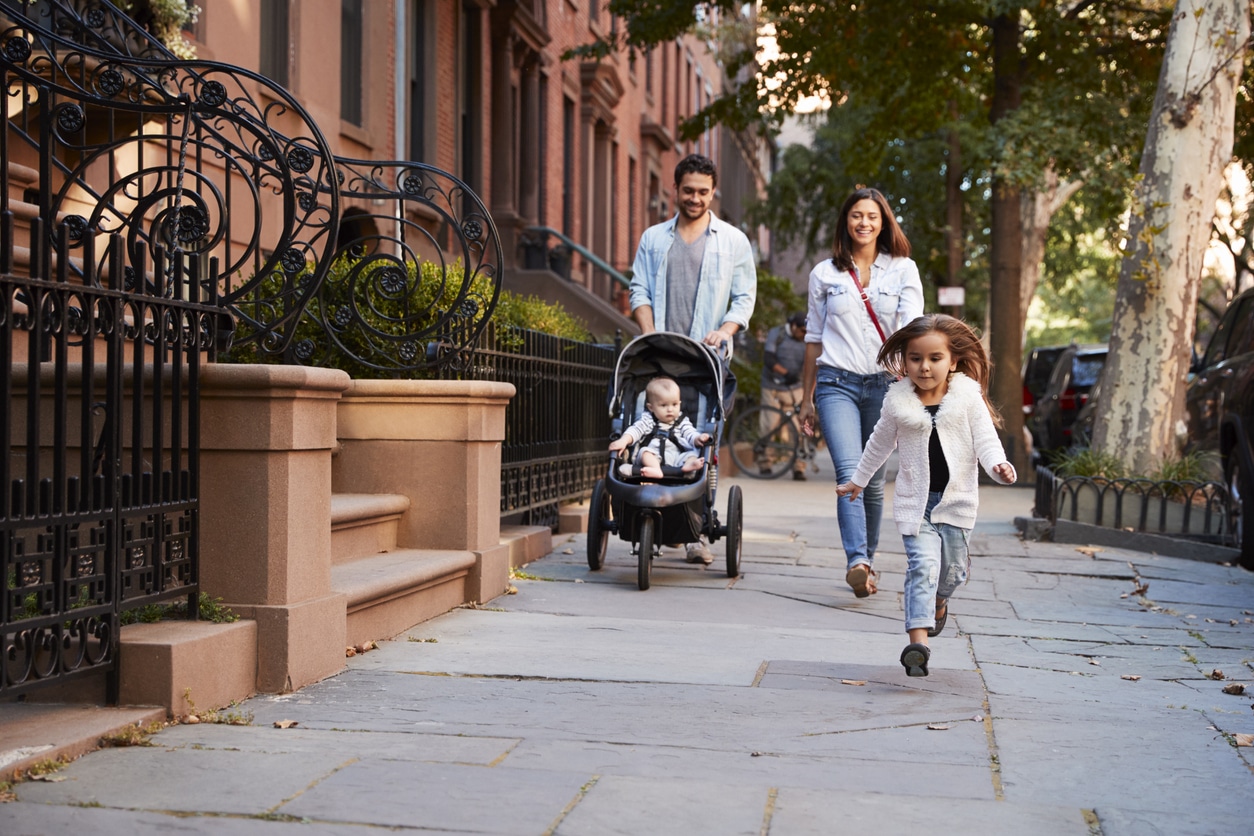
Park Slope is classic family Brooklyn. Brownstones, stroller-filled sidewalks, and Prospect Park as your backyard. Schools rank among the best in the borough, and the area feels safe and lived-in. It’s not cheap, but parents trade the price tag for peace of mind and playgrounds.
Greenpoint (or Bushwick): Best for young adults
Think craft breweries, coffee shops, and late-night bars. Plus, the ferry to Manhattan is right there. Meanwhile, Bushwick is scrappier. You’ve got loft spaces, street art, and more affordable rents, depending on the area. Both neighborhoods pull in young adults who want community and nightlife.
Flatbush: Most affordable
Flatbush is where your rent stretches further. It’s one of the few neighborhoods left in Brooklyn where you can still find a decent apartment under $2,000. The trade-off is a longer subway ride, but you get space, character, and a serious food scene in return.

7. The fun things to do in Brooklyn as a local are endless
Living in Brooklyn means you’ll never run out of things to do. And, of course, these are just a few of the many fun things to do in Brooklyn.
Once you move here, you’ll start building your own list of go-to spots, neighborhood favorites, and little traditions that make the borough feel like home.
Catch a concert or an exhibit at the Brooklyn Academy of Music.
Spend a day at the Brooklyn Children’s Museum, one of the first of its kind in the U.S.
Walk or bike through Prospect Park, designed by the same team behind Central Park.
Visit the Brooklyn Botanic Garden in spring for the cherry blossoms.
Explore the bar and restaurant scene in Williamsburg, from boat drinks at the Commodore to live music at Music Hall.
Hunt for rare vinyl or vintage finds at Brooklyn Flea.
Eat your way through Smorgasburg or book a table at Bamonte’s in Williamsburg, a century-old red-sauce joint that feels frozen in time.
Pro Tip: Learn the best practices for how to pack for a move to make sure your stuff stays safe and your sanity stays intact. |
Moving to Brooklyn: Your Options
Moving to Brooklyn isn’t quite the same as moving to a quiet suburb. Street parking is a gamble. Buildings don’t always have elevators. The best approach depends on how much of those challenges you want to take on yourself.
Rental Truck
A rental truck is the pure DIY path. You load it, drive it, circle the block looking for a spot, and then muscle everything into the building — and maybe up a few flights of stairs. It’s cost-effective, no doubt, but it also means navigating one-way streets, double-parked delivery vans, and the joy of squeezing a truck down a block that suddenly narrows in Bed-Stuy.
Moving Container
A moving container gives you time to load at your own pace. It’s a solid choice — if you have somewhere to put it. Many Brooklyn streets don’t allow long-term street placement, and some co-ops or rentals are strict about curb access.
Full-Service Movers
Full-service movers handle the heavy lift — literally and figuratively. They pack, carry, navigate tight spaces, and get your belongings inside without your juggling parking rules or worrying about blocking a bike lane you forgot about. For long-distance moves into Brooklyn’s denser neighborhoods, this is a strong option.
The Cost of Moving to Brooklyn
What you’ll pay for moving to Brooklyn comes down to distance, timing, and how much of the job you want handled. Plus, Brooklyn walk-ups and building rules add labor, especially on long-distance routes.
The estimates below are based on a typical two-bedroom home, though your price will shift with household size, volume, and season.
Moving to Brooklyn From Other East Coast cities
Philadelphia, DC, and Boston are three of the most common East Coast routes into Brooklyn. People make these moves for new jobs, creative industries, or the pull of New York’s cultural center.
Moving to Brooklyn From Philadelphia
A lot of people head from Philadelphia to Brooklyn for a broader job market or a faster, more urban day-to-day. It’s a relatively short jump — about 95 miles — but the move still requires coordination once you hit the city.
For a two-bedroom home, you can expect to pay $2,800–$3,800 for full-service movers when moving to Brooklyn from Philadelphia.
Moving to Brooklyn From DC
DC-to-Brooklyn moves are common for people switching industries or looking for a more neighborhood-driven city with easier access to the arts, media, and tech. The trip is roughly 225 miles and usually spans a full-day move.
For an average two-bedroom home, you can expect to pay $3,200–$4,200 for full-service movers when moving to Brooklyn from DC.
Moving to Brooklyn From Boston
Boston residents often head to Brooklyn for a larger job market, more diverse neighborhoods, and a different pace of East Coast city life. The distance is around 215 miles, which means it’s firmly in long-distance moving territory.
For a standard two-bedroom home, you can expect to pay $3,100–$4,100 for full-service movers when moving to Brooklyn from Boston.
Moving to Brooklyn from Cities on the West Coast
Cross-country interstate moving services from the West Coast to Brooklyn are straightforward and fairly common. People make the switch for new job markets, a different city pace, or simply to be closer to East Coast hubs. These estimates are based on a typical two-bedroom home.
Moving to Brooklyn From Los Angeles
People leave Los Angeles for Brooklyn when they want a more walkable city or closer access to East Coast media, tech, or creative work. The distance is massive — about 2,800 miles — so this move requires multi-day transport and careful coordination at both ends.
For a two-bedroom home, you can expect to pay $6,000–$7,000 for full-service movers when moving to Brooklyn from Los Angeles.
Moving to Brooklyn From San Francisco
Some people leave San Francisco for Brooklyn because they want a city that’s busy in a different way — more on the ground, less behind office park glass. The trip runs roughly 2,900 miles and typically spans several days of driving.
For a standard two-bedroom home, you can expect to pay $6,000–$7,000 for full-service movers when moving to Brooklyn from San Francisco.
Moving to Brooklyn From Seattle
Seattle-to-Brooklyn moves are common among people shifting industries or looking for a denser, more transit-oriented city. The distance is around 2,800 miles, making it another full cross-country move with multi-day travel.
For an average two-bedroom home, you can expect to pay $5,500–$6,500 for full-service movers when moving to Brooklyn from Seattle.

Pros and cons of living in Brooklyn
So, is Brooklyn a good place to live? Like anywhere, it depends on what you value. Moving to Brooklyn comes with trade-offs — and it’s a very big decision — but if you jump in and don’t look back, it could change your life forever for the better.
Pros of living in Brooklyn
Wide range of neighborhoods, from family-friendly to artsy
More affordable than Manhattan with similar access to jobs and culture
Excellent parks, food, nightlife, and cultural institutions
Strong public transportation network with subways, buses, ferries, and bikes
Diverse communities and a strong sense of local identity
Cons of living in Brooklyn
High cost of living compared to most U.S. cities
Rental market is competitive and expensive
Some neighborhoods have higher crime rates
Traffic and parking are difficult for car owners
Overall, living in Brooklyn means paying a premium, but the payoff is living in one of the most vibrant and varied boroughs in New York City.
Living in Brooklyn FAQs
What is the safest part of Brooklyn to live in?
Like many cities, safety in Brooklyn shifts block by block. Brooklyn Heights, Park Slope, Bay Ridge, Carroll Gardens, and Windsor Terrace are often considered the safest. Still, it’s always worth checking the latest NYPD precinct data for the exact blocks you’re considering.
Is it better to live in Brooklyn or Queens?
The two boroughs offer two different versions of city life. Brooklyn leans more walkable and energetic — cafés, restaurants, and shops. Queens gives you more space for your money and quieter pockets that feel almost suburban. It all comes back to your specific neighborhood.
How much should you make to live in Brooklyn?
Living in Brooklyn means a high cost of living, and housing is the biggest factor for most households. According to the latest data, a livable wage in Brooklyn looks like:
Household Type | Hourly Wage (per earner) | Approx. Annual Income (per earner) |
Individual (1 adult, no children) | $29.25/hour | ~$60,000/year |
Couple (2 adults, no children) | $38.98/hour | ~$80,000/year |
Family of Four (2 adults, 2 children) | $49.08/hour | ~$100,000+/year |
These figures focus on rent, food, transportation, childcare, healthcare, and taxes. Your actual budget will depend on your neighborhood, housing type, and how much you spend on discretionary things like dining out or childcare.
Is it better to live in Manhattan or Brooklyn?
Manhattan is quintessential NYC, and offers unmatched access — with offices, museums, transit, and noise all stacked on top of each other. In Brooklyn, you get more room, more neighborhood identity, and a pace that feels livable day to day. Neither is “better,” but they’re very different experiences — although Manhattan tends to be more expensive.
Taking the Leap into Brooklyn Living
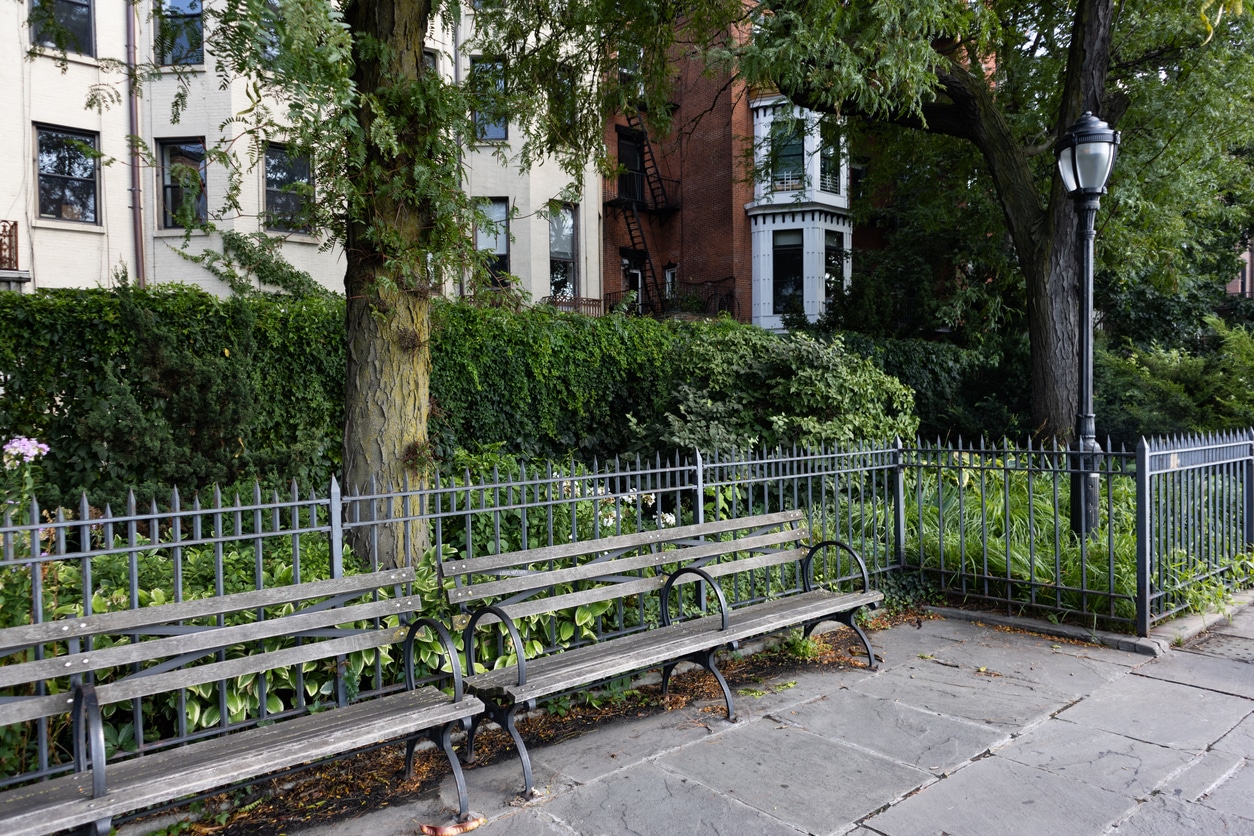
Brooklyn mixes culture, food, neighborhoods, and energy in a way that keeps people coming back. Yes, rents are steep and parking’s a headache, but if the trade-offs don’t scare you, the payoff is a place that feels alive every day.
When you’re ready to trade dreaming for doing, let Colonial Van Lines get you there. With extensive long-distance moving experience under our belt, we’ll handle the packing, hauling, and heavy lifting so you can focus on finding your new favorite pizza spot. Get started today with a free quote!