

Living in Michigan, you get it all. The classic Midwest friendliness, thousands of lakes, two distinct peninsulas, and towns where the weekend rhythm revolves around the outdoors.
People move here for the space, the affordability, and the sense that life slows down just enough to breathe. But before creating your moving checklist, it’s important to consider the pros and cons of living in Michigan, because like any place, the state has points in both columns.
The winters are real. The roads test your patience. The mosquitoes don’t care what repellent you bought. At the same time, housing is more affordable than in many parts of the country, and the quality of life — especially if you love nature — can be hard to beat.
Keep reading to learn what to expect when moving to Michigan, including cost of living, housing, climate, and day-to-day life.
7 Things to Know about Living in Michigan Before Moving to Michigan
Before moving to Michigan, it helps to understand what daily life actually looks like here. If you’re moving out of state, know that it has its own rhythm and a few quirks that will surprise newcomers.
For example, Michigan has more coastline than any state except Alaska, and yet you’ll still meet people who’ve never seen the ocean. And if someone asks where you’re from, don’t point on a map — hold up your hand. The Lower Peninsula is shaped like a mitten, so Michiganders literally use their palm as a quick, built-in map.
And that’s just the beginning. Here are the key things to know.
| Ready to make the move to Michigan? Get a fast, free quote from Colonial. |

1. Michigan’s climate brings four real seasons that shape daily life
Living in Michigan means getting a true mix of seasons. Summers are warm and humid, fall cools down with bright colors, and spring is a slow thaw with a lot of rain.
What is the winter weather like in Michigan? Cold and snowy. Lake-effect storms can drop several inches at a time, and freezing temperatures stick around for months. It’s a season that demands boots, layers, and some patience on the roads.
Other quirks include buggy summers, fast-moving storms, and sharp temperature swings — but most people settle into the rhythm quickly.
2. The cost of living in Michigan is lower than the national average in most categories
The cost of living in Michigan tends to run cheaper than much of the country, especially for housing. According to MIT’s Living Wage Calculator, a single adult in Michigan needs about $20.97 an hour to cover basic expenses, which are lower than many coastal states and major metros.
When you compare mortgage or rent prices, housing costs sit well below national averages. For someone moving from a high-cost city like Chicago or Seattle, a $100,000 salary goes much further in Michigan. That same lifestyle can be maintained on roughly $87,000.
3. The housing market in Michigan remains affordable compared to most of the country
The typical home value in Michigan is about $251,000, up roughly 3% from last year. That’s steady growth, but still far below the national average of around $359,000. That makes moving to Michigan appealing for buyers coming from higher-cost states. Most areas in the state follow this pattern: Values are rising, but not in an overheated way.
4. The crime rate in Michigan varies widely depending on city or neighborhood
The overall crime rate in Michigan is mixed. Some parts of the state are quite safe, while others have crime levels well above national averages. Crime tends to be heavily concentrated in specific areas rather than being evenly spread around the state.
Some of the safest places to live in Michigan include:
Milford, MI: Among the lowest total crime rates per 100,000 people in the state
Huntington Woods, MI: Has very low violent and property-crime rates
South Lyon, MI: Regularly ranks among the top safest Michigan cities
On the other hand, a few Michigan cities report much higher crime rates and tend to top “most dangerous” lists, including:
Highland Park, MI: Has one of the highest crime rates in the state
Saginaw, MI: Frequently listed among Michigan’s most dangerous places due to high violent-crime numbers
Benton Harbor, MI: Significantly higher crime rates than the state and national average
If you’re considering moving to Michigan, your experience will heavily depend on where you land. In safer communities, crime rates are well below average and the environment feels safe to locals. In high-crime areas, safety concerns are much more real — so research your city or neighborhood carefully.
5. The best places to live in Michigan offer very different lifestyles depending on what you value
Where is the best area to live in Michigan? It depends on what stage of life you’re in. Some communities are great for families, others are built for young adults, and some are ideal for retirees looking for quiet, scenic living.
Best places to live in Michigan for families: Okemos
Okemos regularly tops lists for families thanks to its top-rated public schools, safe neighborhoods, and proximity to Michigan State University. The area blends walkable neighborhoods with plenty of parks and outdoor recreation.
Best places to live in Michigan for young adults: Brush Park (Detroit)
Brush Park is a Detroit neighborhood filled with renovated historic homes and new apartments, and it offers an easy walk to downtown. Young professionals like the mix of restaurants, bars, and sports venues, not to mention the quick commute.
Best places to live in Michigan for retirees: Village of Grosse Pointe Shores
For retirees, the Village of Grosse Pointe Shores stands out for its quiet lakefront living, low crime rate, and strong community feel. The area’s waterfront parks, local clubs, and walkable streets make it one of the best places to live in Michigan for a relaxed, low-key lifestyle.
6. The Michigan job market has opportunities, but strength varies by region and industry
Recent BLS data shows more than 250,000 job openings and a job-openings rate higher than the national average in Michigan. Manufacturing, healthcare, and engineering remain the state’s strongest sectors. Professional services continue to grow around major metros.
The statewide unemployment rate sits slightly above the national average,. While jobs are available, competition and openings depend heavily on the field. Salaries in Michigan generally track lower than national averages, but not by much — and when combined with the state’s lower cost of living, many workers still feel ahead.
7. Fun things to do in Michigan range from outdoor adventures to the arts, food, and small-town exploring
Whether you’re into nature, culture, or weekend road trips, there’s no shortage of fun things to do in Michigan. The state’s mix of lakes, forests, museums, and historic towns gives residents plenty of options year-round.
Fun things to do in Michigan for adults
Tour the breweries and cideries along the Grand Rapids Beer City Ale Trail
Spend a day at Detroit Institute of Arts, one of the country’s top museums
Explore wineries on the Leelanau Peninsula Wine Trail
Catch a concert at Pine Knob Music Theatre
Paddle or hike through Pictured Rocks National Lakeshore
Fun things to do in Michigan for couples
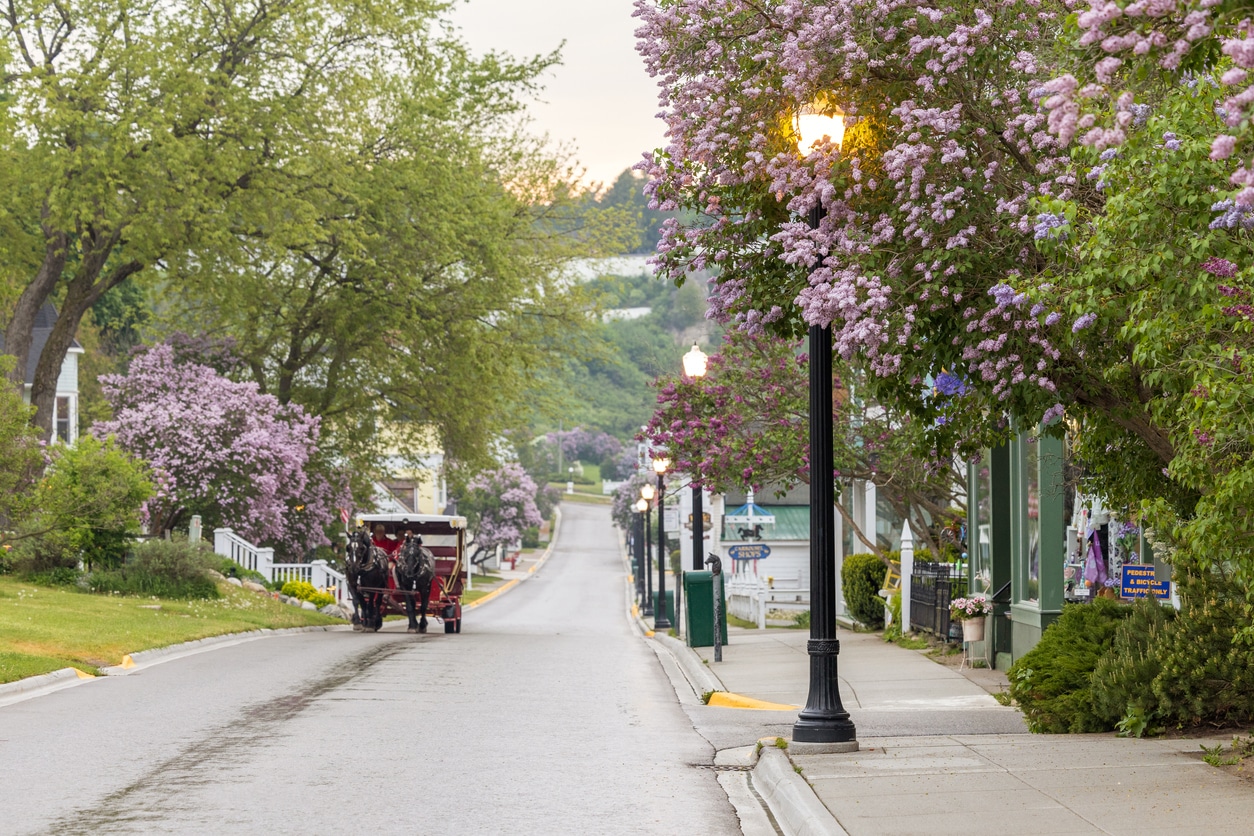
Take a carriage ride or bike loop around Mackinac Island
Book a romantic stay in Saugatuck with art galleries and waterfront dining
Watch the sunset at Tunnel Park on Lake Michigan
Sample local food and shops at Eastern Market in Detroit
Ride the chairlift for fall colors at Boyne Mountain
Fun things to do in Michigan with kids
Visit the Michigan Science Center for hands-on exhibits
Spend a summer day at Silver Lake Sand Dunes
Explore animals and trails at the Detroit Zoo
Pick fruit at Blake’s Orchard & Cider Mill
Tour the historic ships at the Great Lakes Shipwreck Museum
Pros and Cons of Living in Michigan
What are Michigan’s pros and cons? The state offers far more advantages than drawbacks. Here’s a quick breakdown.
Pros
Affordable housing and a lower overall cost of living
Thousands of lakes, trails, and year-round outdoor recreation
Strong options for families, young adults, and retirees
Growing job opportunities in manufacturing, healthcare, and tech
Distinct seasons and beautiful fall and summer weather
Friendly communities and a slower, more grounded pace
Cons
Long, snowy winters
Rough road conditions and ongoing infrastructure issues
Higher taxes in some counties
Job strength varies by region and industry
Humid summers and plenty of mosquitos

Moving to Michigan: Is the Great Lakes State the Right Fit For You?
If you like the mix of affordability, outdoor living, and friendly communities, moving to Michigan could be a smart choice. This guide covered the major things to know before you relocate, from cost of living and housing, to jobs, neighborhoods, and daily life.
When you’re ready to make the move, let Colonial Van Lines handle the logistics. With five decades of long-distance moving experience, we can help you pack, load, transport, and settle into your new home with less stress and fewer surprises. To get started, request a free quote today!