
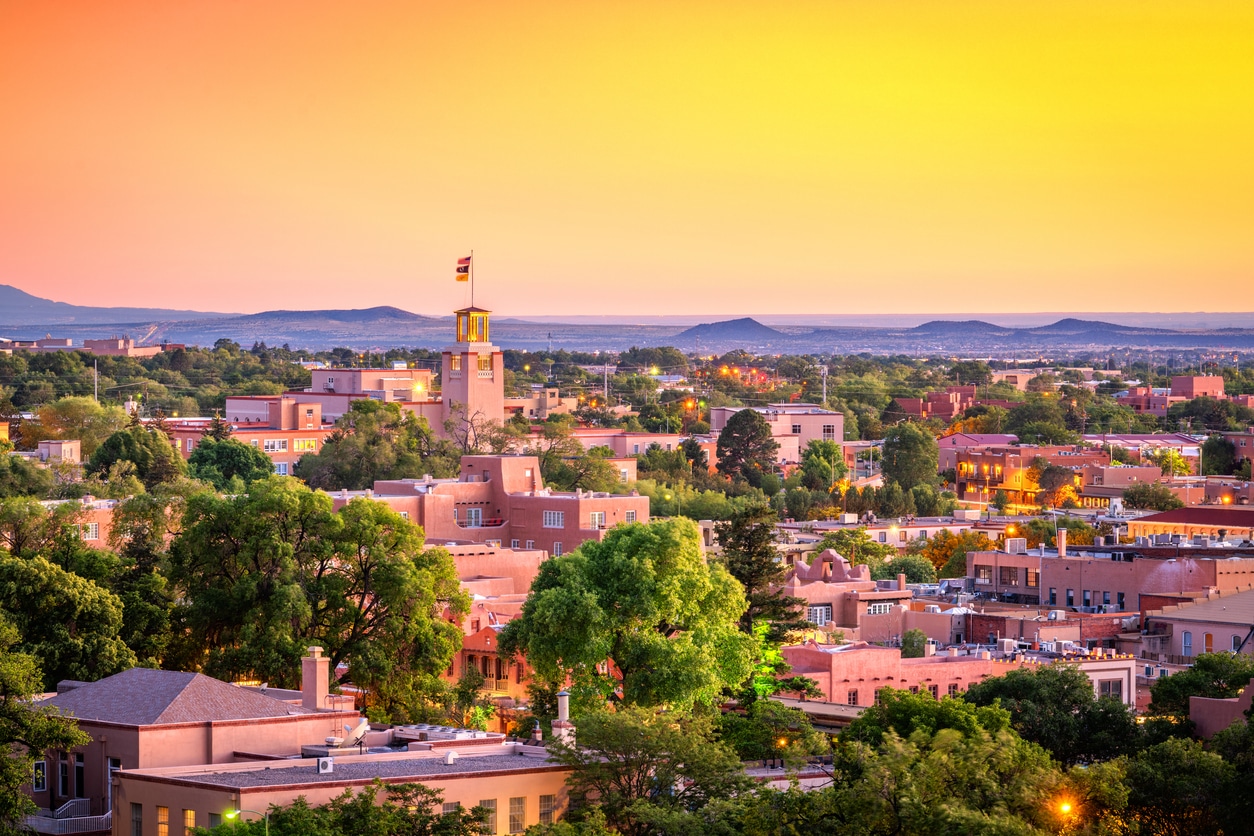
If New Mexico is known as the “Land of Enchantment,” then Santa Fe is where that magic truly comes to life. With a dynamic creative arts scene, traditional Pueblo-style architecture, and a vibrant cultural fusion of Indigenous, Mexican, and Spanish influences, Santa Fe is steeped in character. As of 2025, about 90,125 residents call this Southwestern charmer home (a 0.53% increase from the year prior) … but is moving to Santa Fe the ideal choice for you?
Whether you’re relocating from another part of New Mexico or moving out of state, it’s important to know what to expect about living in Santa Fe before you make this leap. From the Santa Fe real estate market and the city’s economic forecast, to outdoor recreation and the best neighborhoods in Santa Fe, consider this your manual to the so-called “City Different.”
8 Facts to Know About Living in Santa Fe (Before Moving to Santa Fe)
Santa Fe was officially established in 1610, making it the most historic capital city in the United States. In fact, at 415 years old, Santa Fe has been around longer than the U.S. itself. When Spanish colonizers first inhabited this area, they named it “La Villa Real de la Santa Fe de San Francisco de Asis,” which translates to “Royal Town of the Holy Faith of Saint Francis of Assisi.” Fortunately, over time, that mouthful of a moniker was shortened to Santa Fe.
But while its origins date back centuries, Santa Fe is also teeming with modern attractions — from flourishing industries to thriving entertainment and cultural hotspots. This old-meets-new combination has given Santa Fe a distinctive flair (hence, “The City Different”). Intrigued yet? Here’s what to know about moving to Santa Fe.
1. Living in Santa Fe means you can experience all four seasons
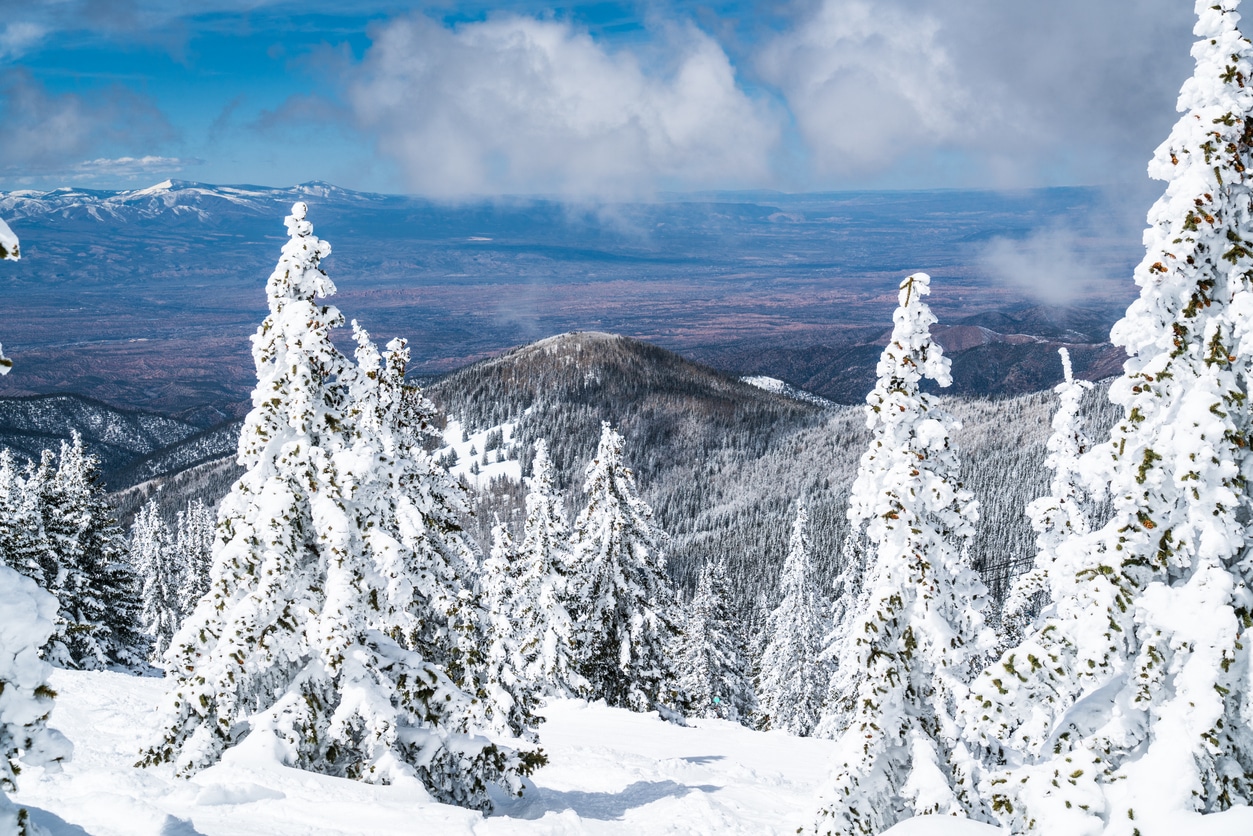
Perched at an elevation of nearly 7,200 feet, Santa Fe is the third highest city in the U.S. This steep altitude — along with its semi-arid mountain climate — might require some adjustments at first, especially for those moving to Santa Fe from a lower-elevation city like Phoenix or San Diego. But once you acclimate, the mild temperate weather and exposure to all four seasons make Santa Fe a comfortable (not to mention, scenic) place to live.
The summers here are warm and sunny with temperatures between 85–90 degrees, while the winters can drop below 25 degrees with about 26 inches of annual snowfall, on average. Santa Fe also boasts 283 days of sunshine each year — excellent news for all the nature enthusiasts who flock to this city for outdoor recreation.
While the climate is much less extreme than some other Western regions like California, Santa Fe does experience severe thunderstorms in both the spring and summer. These storms can also spawn tornadoes, hail, or flash floods. Living in Santa Fe poses a moderate risk of wildfires as well, something to consider before deciding to move.
Planning a summer move to Santa Fe? Use our list of summer moving tips to streamline the process (and beat the heat!). |
2. Santa Fe is one of the Southwest’s premier tourist destinations
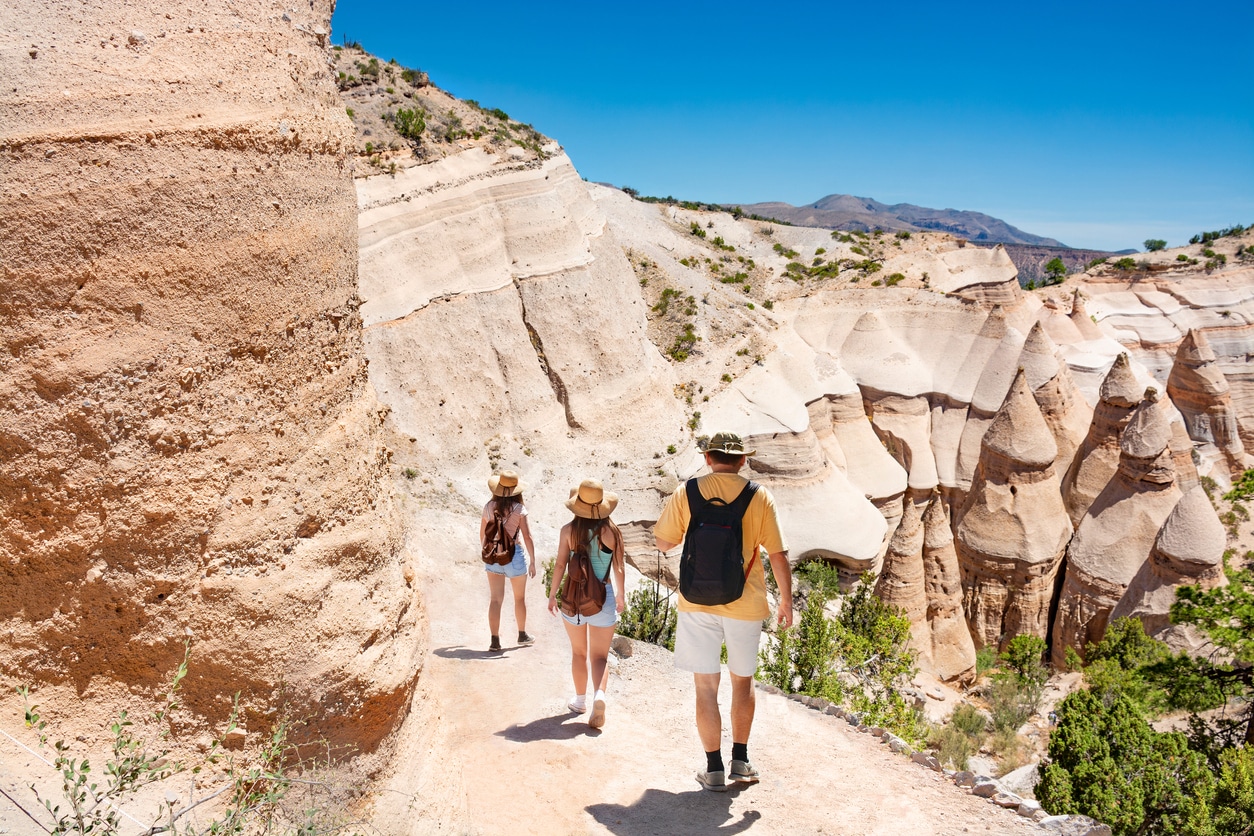
Tourism is among the main drivers of Santa Fe’s economy — and it’s not hard to see why. About two million visitors come each year for the picturesque hiking trails and ski slopes, the historic landmarks, the bohemian vibes and eclectic arts scene, the authentic Southwestern cuisine, and the close proximity to other regional destinations such as White Sands National Park, Taos Art Colony, and the annual Albuquerque International Balloon Fiesta.
These entertainment offerings, combined with the striking natural beauty of the Sangre de Cristo Mountains, have earned Santa Fe the number-one spot on Travel + Leisure’s list of their 15 Favorite Cities in the U.S. for 2025. If you’re a foodie, a culture aficionado, a creative, a history buff, or an outdoor enthusiast, chances are, you’ll have a blast here — both as a tourist and as a local if you’re thinking about permanently moving to Santa Fe.
| Ready to make the move to Santa Fe? Get a fast, free quote from Colonial. |
3. Santa Fe’s cost of living is pricier than the national average
Before you relocate, it’s important to note that Santa Fe’s cost of living is 4% more than the national average and 151% more than other parts of New Mexico. The main culprits behind these elevated costs are food, housing, and transportation. But with that said, New Mexico’s state income tax rate of 1.7%–5.9% is relatively manageable.
If you’re moving to Santa Fe from Albuquerque, your living expenses could increase by almost 8.5%. But if you’re from another state out West, Santa Fe’s cost of living could actually be cheaper than what you’re used to. For instance, someone earning $100,000 in Denver only needs about $83,000 to maintain the same quality of life in Santa Fe.
Q: How much money do you need to live comfortably in Santa Fe, NM? A: In order to live comfortably in Santa Fe, a single person with no children will need to earn $48.84 per hour, while a family of four with two working adults will need to earn $61.38 per hour. These salaries reflect the minimum amount to afford all basic living experiences, while still being able to pay off debt, earmark money for savings, and have a surplus leftover each month for hobbies and entertainment. |
4. The Santa Fe real estate market is inflated but projected to stabilize
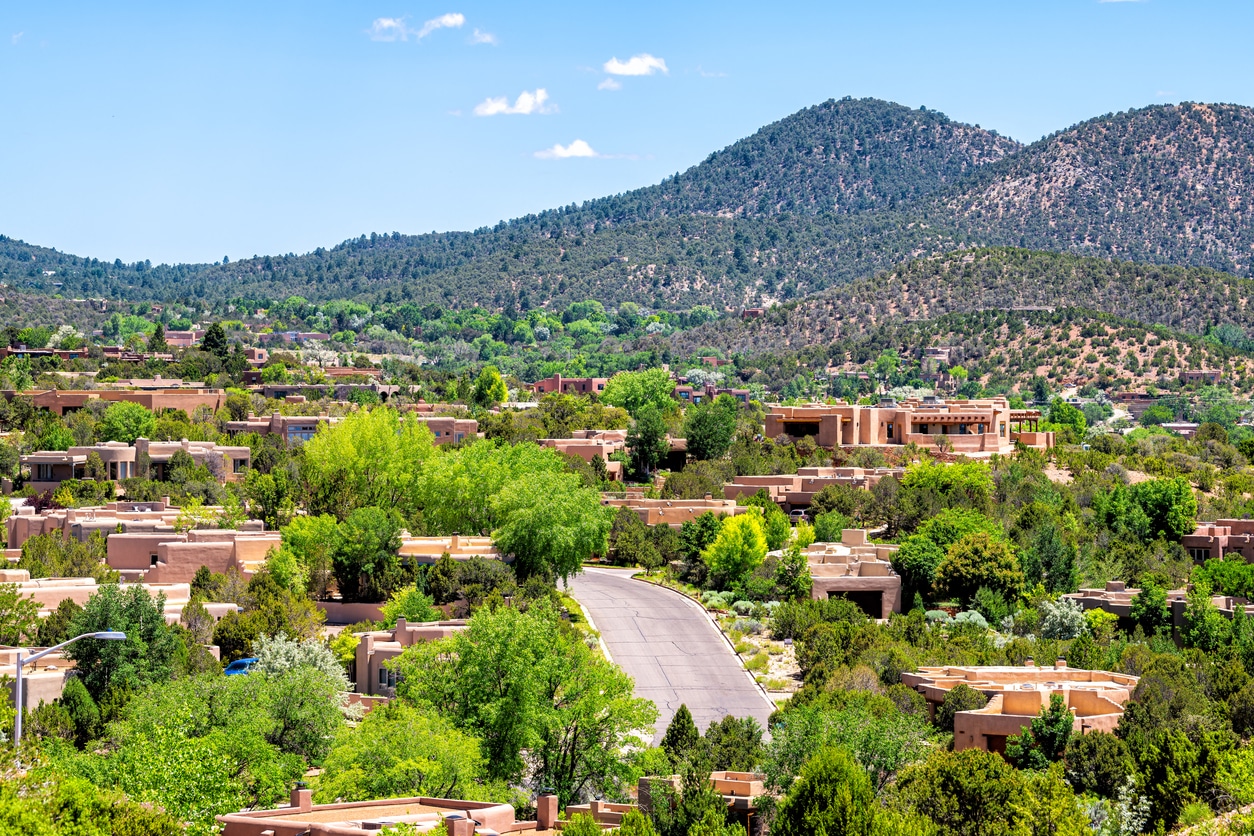
As of 2025, the average home value in Santa Fe costs around $580,320 — considerably higher than the current national average of $363,930, but a 0.6% decrease from 2024.
If you’re moving to Santa Fe from cities like Phoenix and Austin, brace yourself for steeper housing costs than what you left behind. However, if you’re from Denver, Portland, or Salt Lake City, the Santa Fe real estate market won’t feel too different. Meanwhile, if you’re from San Diego, Seattle, or Los Angeles, you’ll find the homes in Santa Fe much more affordable.
Local real estate experts are also noticing more stabilization in the Santa Fe real estate market. Housing inventory is on the rise, which offers homebuyers a wider selection to choose from and potentially more leverage in the sale price. While it’s unlikely that costs will drop significantly in 2026, there are silver linings on the market forecast.
Of course, if you prefer to hold off on buying a house, there’s always renting an apartment. The average rent on a one-bedroom apartment will set you back around $1,720 per month in Santa Fe — that’s relatively on par with the national average. Just remember: this price can fluctuate based on which part of town you live in. For instance, the average cost of rent in Downtown Santa Fe is closer to $1,930 per month.
5. Santa Fe offers exciting job opportunities
If you’re moving to Santa Fe in search of a career boost, this is an excellent time to make that transition. According to the most recent available data, Santa Fe’s unemployment rate is at 3.6% — below the national average of 4.3%. From 2021–2025, the total number of jobs in New Mexico has increased by 131,500, and a significant concentration of those jobs are located in Santa Fe (64,900, to be exact). In other words, you have options.
We’ve touched on the impact of tourism on Santa Fe’s economy, but that’s just one example of all the thriving industries here. Santa Fe also attracts professionals in technology, healthcare, retail trade, bioscience, food service, hospitality, and manufacturing. This city has also become a new filmmaking hub in recent years.
The average annual salary in Santa Fe hovers around $76,570. That’s higher than you would earn in other major cities out west, including Salt Lake City, Denver, Phoenix, and Austin. Of course, you won’t earn as much here as in places like Los Angeles or San Francisco, but the Santa Fe cost of living is cheaper than in California, so it evens out.
6. Crime rates in Santa Fe are higher than other parts of the country
Is Santa Fe safe? Depends on the area of town you’re in. Santa Fe’s total crime rate is 155% above the national average — 5,821 crimes per 100,000 residents — but the majority of these incidents are nonviolent property crimes.
Just like anywhere else, most crimes occur within small pockets of the city. Here are the three safest neighborhoods in Santa Fe and the three neighborhoods to exercise more caution in.
3 safest neighborhoods in Santa Fe
Las Campanas
Tesuque
Historic Eastside
3 neighborhoods in Santa Fe with higher crime rates
Casa Alegre
Nava Ade
Casa Linda
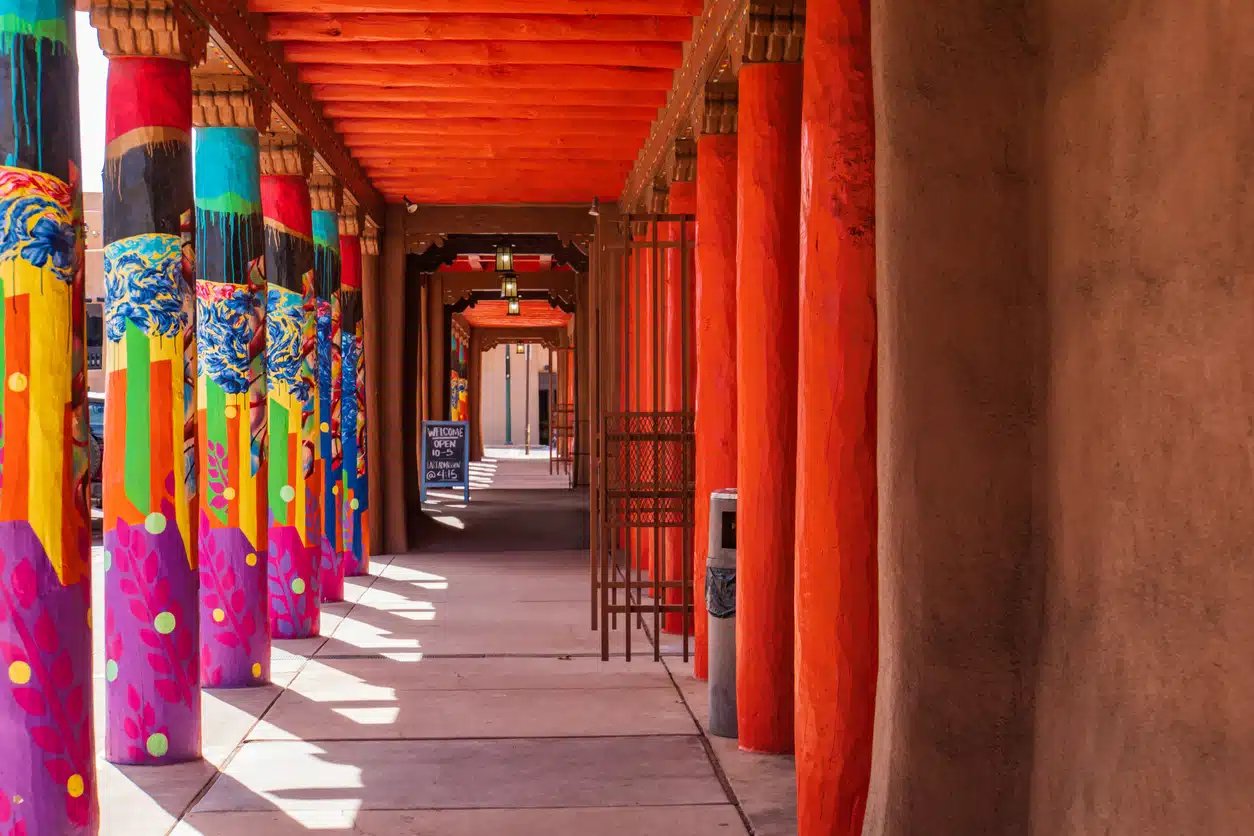
7. The best neighborhoods in Santa Fe are full of character and charm
Santa Fe is home to 44 neighborhoods, each with their own distinct selling points. But which is the right one for you? To help streamline this decision, here are our picks for the three best neighborhoods in Santa Fe — no matter what stage of life you’re in.
Historic Eastside: Best for families
With its cozy adobe homes on tranquil, piñon tree-lined streets, Historic Eastside is an idyllic enclave for families. Its low crime rates, top-notch schools, and access to outdoor recreation make it one of the best neighborhoods in Santa Fe to raise children.
Historic Eastside puts you in walking distance to the urban convenience of downtown — plus, no matter what you’re into, Historic Eastside has fun for all ages. Peruse the unique artwork collections at Canyon Road Gallery, hike the scenic paths along Dale Ball Trail in the Sangre de Cristo foothills, or enjoy the Santa Fe Plaza’s local markets, concerts, and festivals.
Railyard District: Best for young adults
Named for a 19th-century train depot, the Railyard District has since become a revitalized hub for modern entertainment. Its trendy lineup of restaurants, breweries, coffee shops, boutiques, galleries, and open-air events attract young adults who want a vibrant social scene. In fact, this neighborhood is one of the few spots in Santa Fe where you’ll find nightlife options.
Whatever you’re in the mood for — a seasonal craft cocktail at As Above So Below, a Buti Yoga class at the Railyard Performance Center, or fresh produce, artisan crafts, and live music at the Santa Fe Farmers Market — the Railyard District has you covered.
Las Campanas: Best for retirees
Just 10 miles northwest of downtown Santa Fe, Las Campanas is nestled on 4,900 acres of pristine high desert terrain with sweeping nature views. This gated community offers luxurious amenities and a quiet suburban lifestyle that retirees will love.
The heart of this neighborhood is The Club at Las Campanas, where residents can access resort-style pools, lush golf courses, tennis and pickleball courts, and regionally inspired cafés. For those seeking an adventurous retirement, Las Campanas is also only a short drive from the Santa Fe National Forest, known for picturesque rivers, mountains, and volcanic formations.
Have you found the right Santa Fe neighborhood for you? Our printable moving checklist is a fantastic resource to manage all the details of your move. |
8. There’s no shortage unique and fun activities to do in Santa Fe
Even if Santa Fe isn’t exactly a nightlife destination, it still serves up tons of entertainment. From creative and cultural experiences to outdoor explorations, The City Different has something for everyone. Check out these fun activities to do in Santa Fe.
Fun activities in Santa Fe to do as couple
Treat yourselves to an afternoon of self-care at Ten Thousand Waves Japanese Spa.
Learn how to make Southwest cuisine together at the Santa Fe School of Cooking.
Watch a sunset over the Jemez Mountains at the Cross of the Martyrs historic site.
Fun activities in Santa Fe to do with kids
Ride bikes along the 15-mile Santa Fe Rail Trail, featuring panoramic nature views.
Spend an afternoon in the immersive exhibits of Meow Wolf’s House of Eternal Return.
Enjoy rope courses, zipline rails, and climbing walls at Liggettville Adventure Center.
Fun activities in Santa Fe to do for free
Catch a flick under the stars at the Railyard District’s summer outdoor movie series.
Tour the stunning New Mexico State Capitol, the only round capitol building in the U.S.
Peruse artisan vendors, eclectic galleries, street performers, and historic architecture at the Santa Fe Plaza.
Living in Santa Fe Pros and Cons
As with anywhere else, living in Santa Fe comes with its advantages and disadvantages. Do the benefits outweigh the drawbacks? That’s ultimately up to your personal preferences, but factor in these pros and cons to determine if Santa Fe is the right move for your next chapter.
Pros of living in Santa Fe
Rich culture and history
Vibrant arts scene
Southwestern cuisine
Tons of outdoor recreation
Favorable housing forecast
Robust job market
Exposure to all seasons
Cons of living in Santa Fe
Expensive cost of living
High crime rates
Severe weather risks
Parking scarcity due to tourism
Limited nightlife options
Start Your Santa Fe Adventure with Colonial Van Lines
If you love the idea of spectacular nature activities and bohemian vibes — and you’re not turned off by the steep cost of living — then moving to Santa Fe should top your to-do list.
Ready to make this leap? Colonial Van Lines is here to help. With more than 50 years of experience in long-distance moving, our team of experts will tackle the logistics for a seamless transition to your enchanting new home. Contact us for a free quote today!