
Moving to Washington, D.C., is a big decision that, for many, can feel like a huge lifestyle shift. But the District of Columbia isn't just the seat of the U.S. government — it's also a flourishing and historic city filled with monuments, world‑class museums, and dynamic neighborhoods. While its energy and opportunities attract newcomers from around the globe, living in Washington, D.C., does come with trade‑offs.
In this guide, we’ll explore everything you need to know before your move — from the housing market to the things to do to the pros and cons of living in Washington D.C. — so you can decide whether taking the leap is right for you.
9 Things to Know Before Moving to Washington D.C.

To help you get a feel for life in D.C., we’re diving into the top 9 things you should know before committing to a big move.
1. Washington, D.C. lives and breathes American history
Living in Washington D.C. means immersing yourself in a city where daily life is centered around national identity — so you’ll probably want to brush up on some history if you’re planning to be a local.
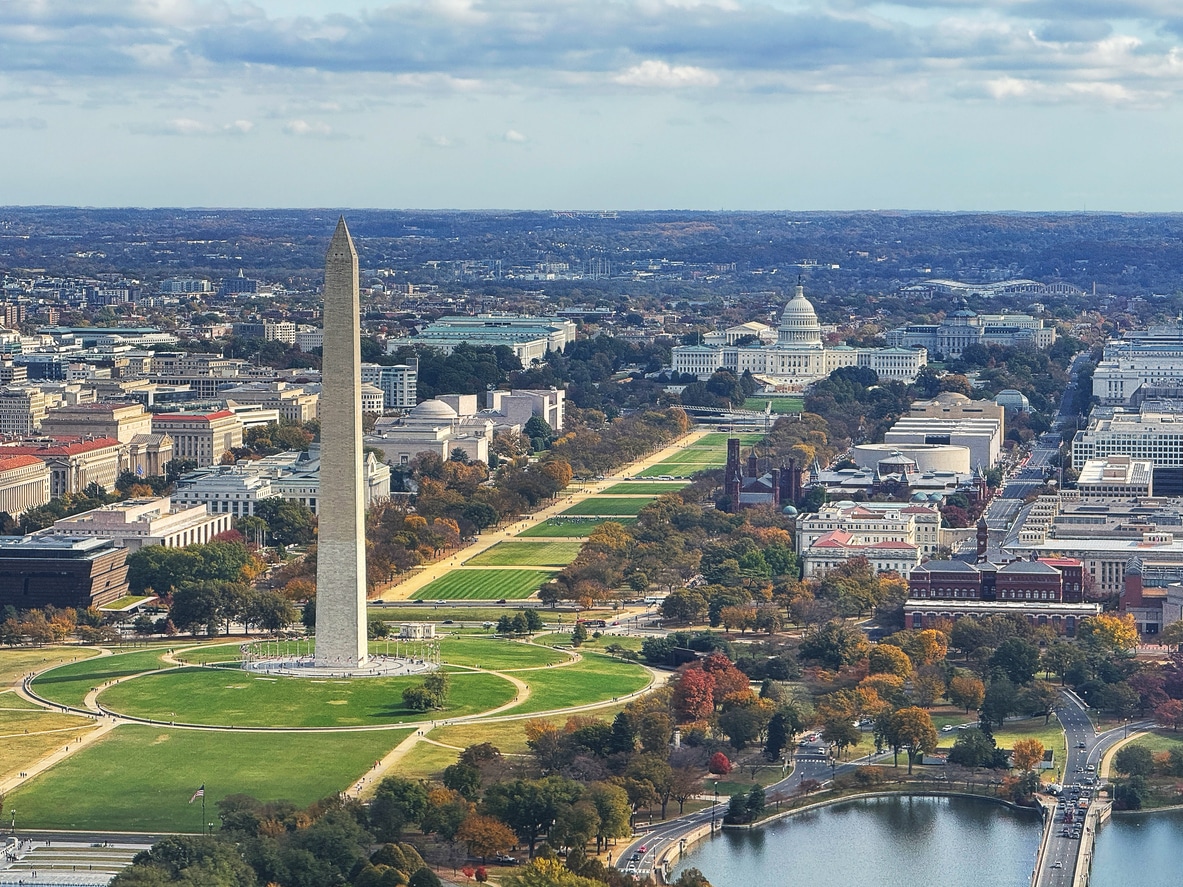
Washington, D.C. was established in 1790 as the United States' capital and remains the heart of the American government today. The city's layout was created by Pierre L'Enfant, who, inspired by Paris, designed wide boulevards, large open spaces, and grand public buildings across the city, all centered around the U.S. Capitol building. Iconic landmarks such as the White House and Lincoln Memorial consistently remind residents of the District's national significance.

2. In D.C., you’ll get a full dose of every season
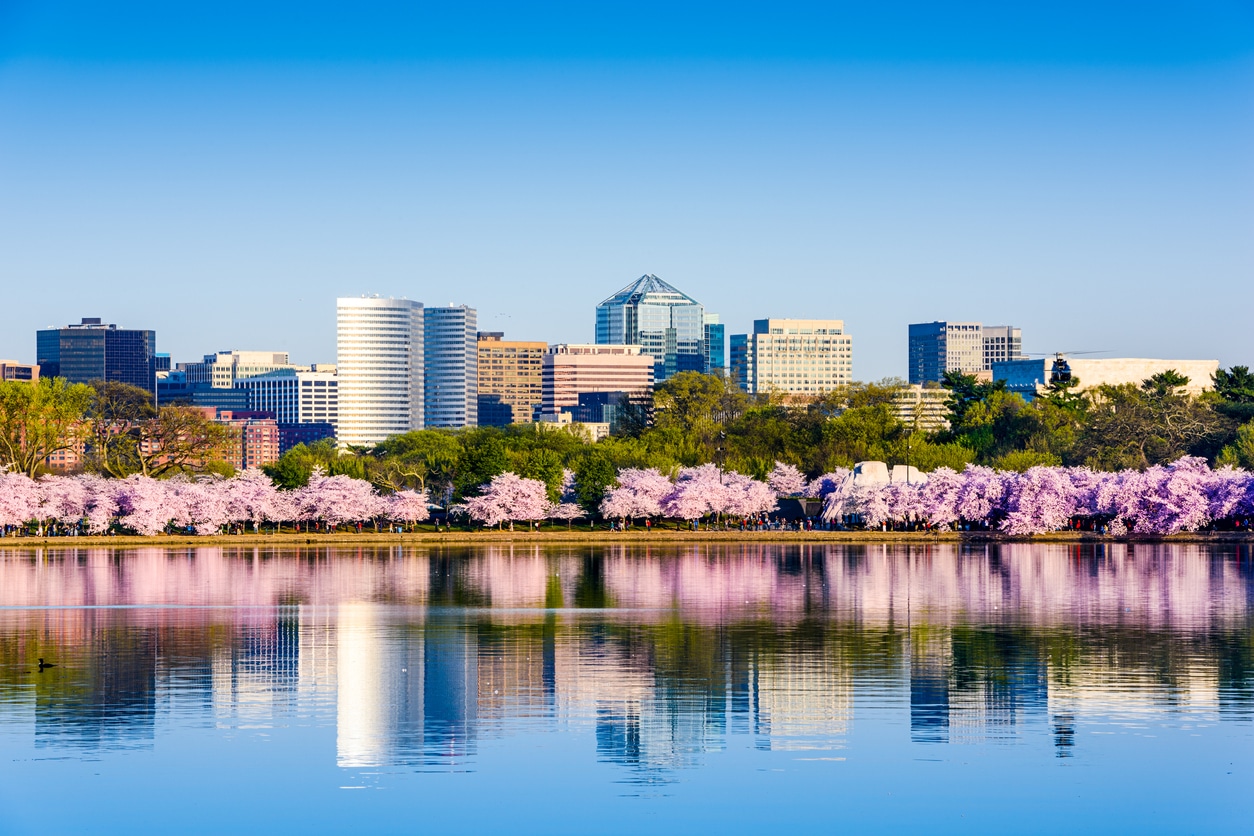
D.C. has a temperate mid‑Atlantic climate. That means summer (late May through mid‑September) is hot and muggy, usually with 80-degree temperatures, and winters are cold and occasionally snowy. Spring and fall are often touted as the best seasons in D.C., offering milder temperatures, cherry blossoms, and crisp foliage.
| Ready to make the move to Washington D.C.? Get a fast, free quote from Colonial. |
3. The cost of living in Washington, D.C. is high compared with many U.S. cities
The cost of living in Washington, D.C. is about 42% higher than the national average, mostly due to high housing costs. So, if you’re moving to Washington, D.C. from most places in the country — particularly the South or the Midwest — expect to spend a lot more.
Fortunately, Bostonians or New Yorkers moving to D.C. will find some relief. For instance, if you were making $100,000 in New York City, you’d need to make less than $85,000 in D.C. to maintain the same standard of living.
| What salary do you need in Washington, D.C. to live comfortably? To live comfortably in D.C., you’d likely need to make six figures. The MIT Living Wage Calculator estimates that one adult with no children needs to make $54,034 per year before taxes to cover basic expenses in D.C. Doubling that amount for a comfortable 50/30/20 budget (50% necessities, 30% discretionary spending, and 20%savings/debt repayment) yields about $108,000. High housing costs mean many residents spend a large share of their income on rent or mortgages, so budgeting is critical. |
4. The Washington D.C. housing market remains competitive
The Washington D.C. housing market cooled slightly in 2025 but remains pricey. In June 2025, the median sale price was $700,000. Although that’s about 1.5%lower than the previous year, prices are still much higher than the U.S. median of $447,435.
Detached houses in D.C. averaged $1.3 million, rowhouses around $700,000, and condos $500,000. Compared with Maryland's median home price of $465,600 and Virginia's $485,600, living in D.C. is still significantly more expensive.

5. Each D.C. neighborhood has its own charm
D.C.'s neighborhoods vary dramatically in character, price, and safety. Overall, based on research into real estate data and livability, here are three of the best places to live in Washington, D.C.
Best D.C. neighborhood for families: Glover Park
Located in Northwest D.C., Glover Park is a tree‑lined neighborhood known for its community feel and highly rated public schools, like Stoddert Elementary. Single‑family homes average about $750,000. Its sidewalks, parks, and easy access to Georgetown's shops also make it popular with families.
Best D.C. neighborhood for young adults: Navy Yard
The Navy Yard area, also called Capitol Riverfront, has transformed into a trendy waterfront district. Modern condos average around $849,000. Residents enjoy Nationals Park baseball games, cozy bars like Trouble Bird, and restaurants like The Salt Line Oyster Bar along the Anacostia River. The neighborhood's walkability and proximity to downtown offices make it ideal for young professionals.
Safest D.C. neighborhood: Barnaby Woods
According to a safety analysis, Barnaby Woods records only about three violent incidents per 1,000 residents, making it among the safest neighborhoods in D.C. Homes average about $1.4 million, which is expensive but more affordable than Georgetown, which is in a similar desirable area. Tree‑canopied streets and a tight‑knit community provide a suburban feel within the city.
Need help deciding where to settle down? Check out The Best Neighborhoods in D.C. |
6. Crime and safety vary widely by neighborhood
Crime in D.C. is 82% higher than the national average, but it's heavily concentrated in certain areas. Here are three of the safest neighborhoods in Washington, D.C., and three with higher crime rates.
3 Safest neighborhoods in Washington, D.C.
3 Neighborhoods in Washington, D.C. with higher crime rates
7. The Washington D.C. job market is a mixed bag
D.C.'s economy centers on government, law, lobbying, healthcare, education, tourism, and tech. Unfortunately, the Washington D.C. job market had the highest unemployment rate in the U.S. in August 2025 at 6%, compared with the national rate of 4.3%.
The better news is that the broader metro area (Washington–Arlington–Alexandria) added jobs in education, health services, and construction. Plus, the federal government accounts for about 28% of all wages in D.C., so many residents are able to work in stable civil service roles.
8. Whether you’re flying solo, out on date night, or with the kids, D.C. is full of fun things to do
The great thing about D.C. is that it has something fun and interesting to do every day — out on your own, with a partner, or when out with the whole family. Here are some of the best options to add to your list.
Unique things to do in Washington, D.C.
Visit the Franklin Delano Roosevelt Memorial, honoring FDR's four presidential terms.
Take a behind‑the‑scenes trip to the Steven F. Udvar‑Hazy Center.
Watch airplane landings and takeoffs from Gravelly Point Park.
Tour a craft brewery like DC Brau, the city's first packaging brewery since 1956, or Bluejacket, a brewery housed in a former boiler factory.
Free things to do in Washington, D.C.
Explore museums like the National Museum of African American History and Culture, the National Portrait Gallery, and the National Museum of American History.
Visit the Lincoln Memorial and read the Gettysburg Address etched inside.
Have a picnic at the Tidal Basin during cherry blossom season.
Hike or bike through Rock Creek Park, a 1,754‑acre urban park that bisects Northwest D.C. and offers wooded trails, a nature center, and historic sites.
Things to do in Washington, D.C. with kids
Visit the interactive exhibits at the National Air & Space Museum.
Spend a day at the National Zoo, home to giant pandas and other animals.
Ride bikes along the Capital Crescent Trail.
Paddle on the Potomac River.
9. You may not need a car to get around
Because parking is expensive and rush‑hour traffic is notoriously bad, many residents of Washington, D.C., make do without a car.
In fact, 58% of commuter trips in D.C. are by bike, walking, or public transit. D.C.'s Metrorail and Metrobus systems, run by the Washington Metropolitan Area Transit Authority (WMATA), operate nearly all day, seven days a week, which is a cheap and easy way to get around the city. Many neighborhoods are highly walkable, so a car is optional unless you plan frequent excursions to the suburbs. So, if you're moving out of state to D.C., consider whether you really need to bring your vehicle.
Pros and Cons of Living in Washington, D.C.
Like many U.S. cities, Washington, D.C. offers exciting opportunities and unique challenges. Here's a summary of the pros and cons of living here.
Pros of Living in Washington D.C.
Washington D.C. has a defined spring, summer, autumn, and winter — a perk for those who enjoy the changing of the seasons.
The federal government provides stable employment for many residents, while private-sector fields such as law, lobbying, and healthcare contribute strong job markets.
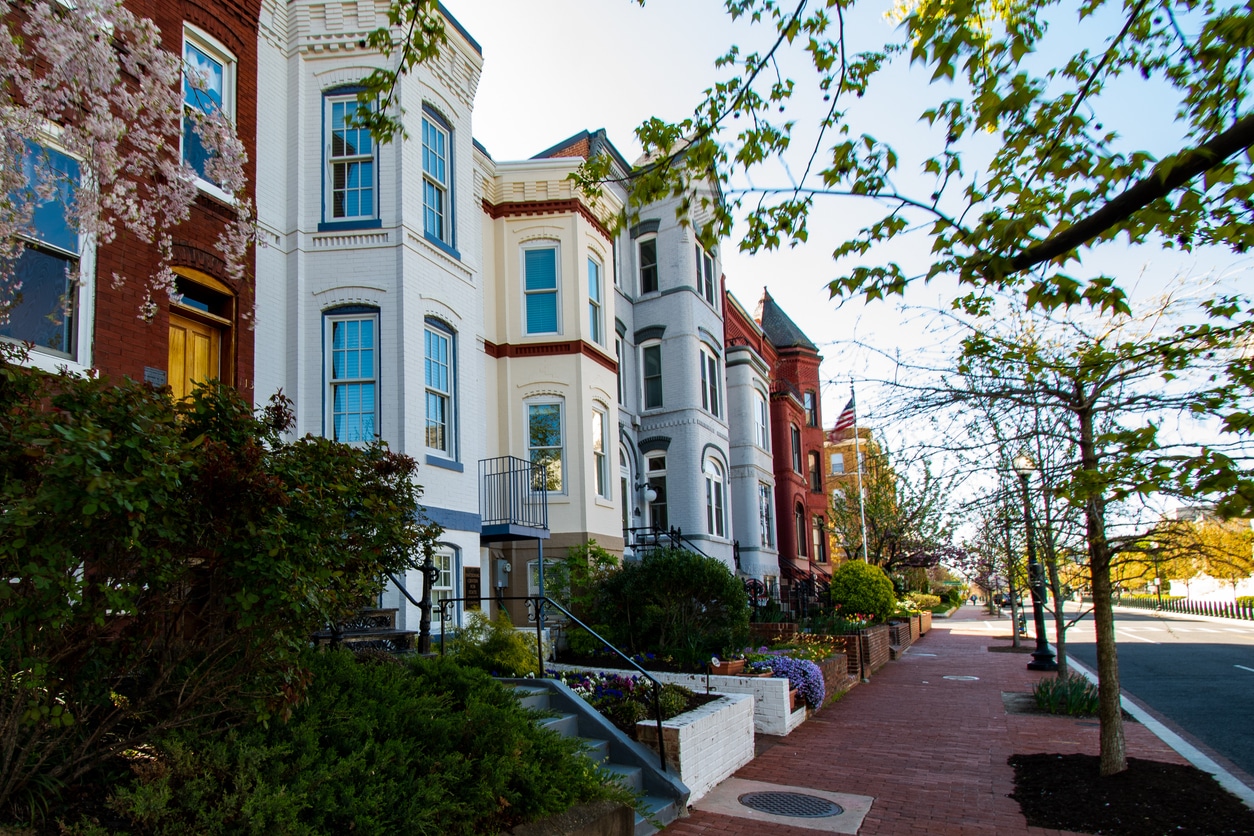
D.C. offers beautiful, charming neighborhoods that suit different needs and lifestyles.
Free museums, historic sites, beautiful parks, and excellent cuisine mean you'll never run out of things to do.
The city’s comprehensive Metro system and bike‑friendly infrastructure allow many residents to live without a car.
Cons of Living in Washington, D.C.
Housing and everyday expenses far exceed the national average (though it’s cheaper than places like Boston and NYC).
Crime rates are high in certain areas.
D.C.’s unemployment rate is high, and it can be difficult to find a job in certain sectors (like tech).
High traffic and limited parking can make driving frustrating in the city.
Is moving to Washington, D.C. a good idea?
Washington, D.C. is a great idea for those who want to live in a city rich in history, diversity, and charm — but it’s not for everyone. D.C. is also expensive, and depending on your industry, it might be tough to get a job. You’ll want to ensure your priorities and needs line up before making the move.
Ready to Start Living in Washington, D.C.? Colonial Van Lines Can Help
If you love the idea of living in Washington, D.C., with its historic charm and endless cultural activities, and the traffic and expenses aren't dealbreakers, relocating to the nation's capital could be the right move. When you're ready to make it happen, let the experts handle the hard part. Colonial Van Lines provides long-distance moving services that cover everything from packing and loading to transportation and unloading.
This moving checklist is a useful tool for planning your relocation, and if you're moving out of state, our team has decades of experience navigating cross‑country moves. For a personalized estimate, get a free quote today!