

Long Island often gets overshadowed by Manhattan’s skyscrapers and Brooklyn’s cultural scene, but more than eight million people call it home, and for good reason. Just east of New York City, this 118-mile stretch offers beaches, suburbs, history, and easy access to the city while maintaining its own identity. For many, living on Long Island strikes a balance between urban energy and a slower suburban pace.
However, moving to Long Island comes with trade-offs. The cost of living, housing market, safety, and schools all vary by town and by county. Some areas are busy and fast-paced. Others feel quieter and more family-friendly.
This guide breaks down what life on Long Island really looks like. Before moving to New York State, get the pros and cons, insights on the housing market, and a closer look at the best places to live.
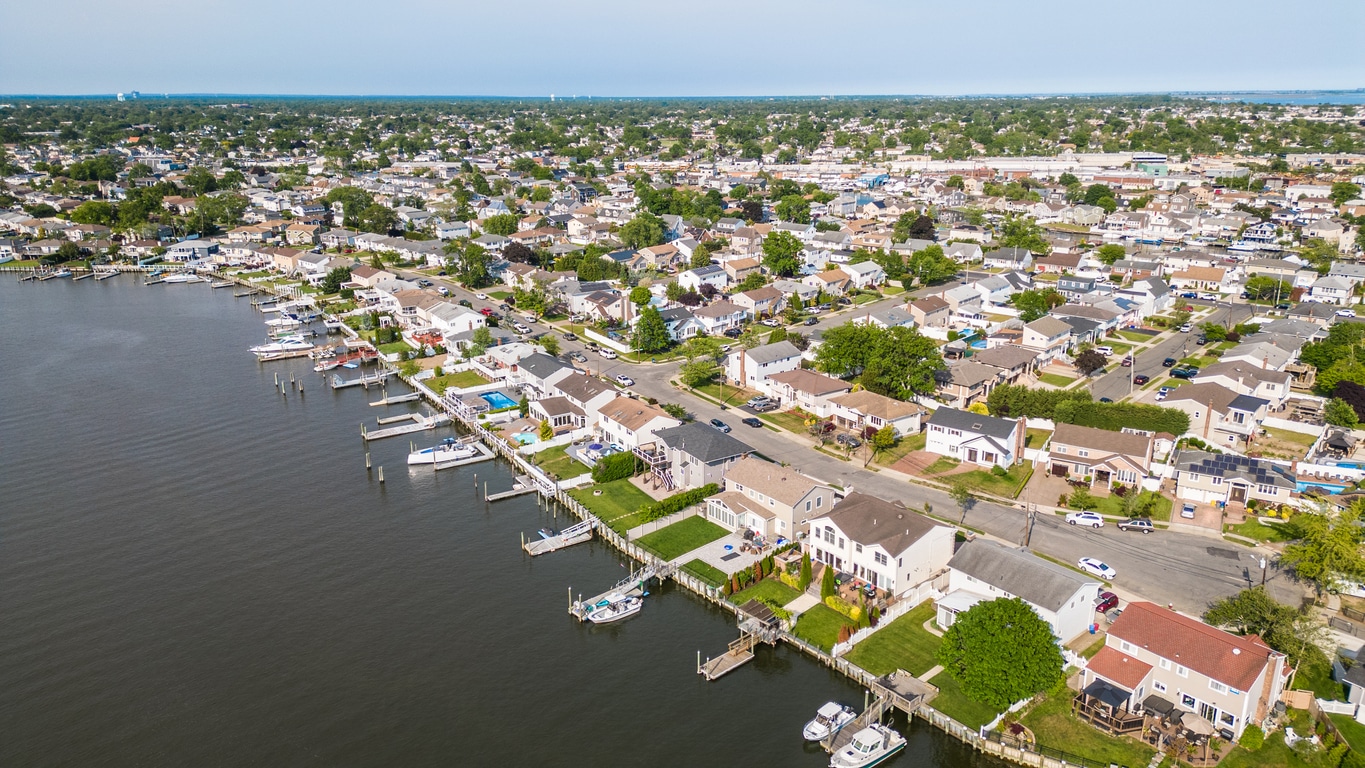
7 Things To Know About Living on Long Island Before Moving to Long Island
Living on Long Island comes with both advantages and challenges. The island offers suburban space, access to New York City, and a strong sense of community. It also carries costs and trade-offs that every new resident should carefully weigh.
Before you start researching how to pack for a move, this is what you need to know.
1. The Long Island cost of living is higher than most places
The cost of living on Long Island is higher than both the state and national averages. Housing, property taxes, and daily expenses account for the difference. Of course, compared with Manhattan, Long Island might feel more affordable, but it’s still far from cheap. And compared to Staten Island, Long Island is likely to be more expensive.
For example, Bankrate’s Cost of Living Calculator shows that a household earning $100,000 in Manhattan would only need about $58,790 in Nassau County to maintain the same standard of living. That’s a 41% lower cost of living than Manhattan. Even with that difference, residents still face some of the highest property taxes in the country, at nearly double the national average.
So, is it expensive to live on Long Island? Yes, it can be, especially once you factor in housing and taxes. But it also depends on where you live. Things are much more expensive in the Hamptons, for example, than in the rest of Long Island.
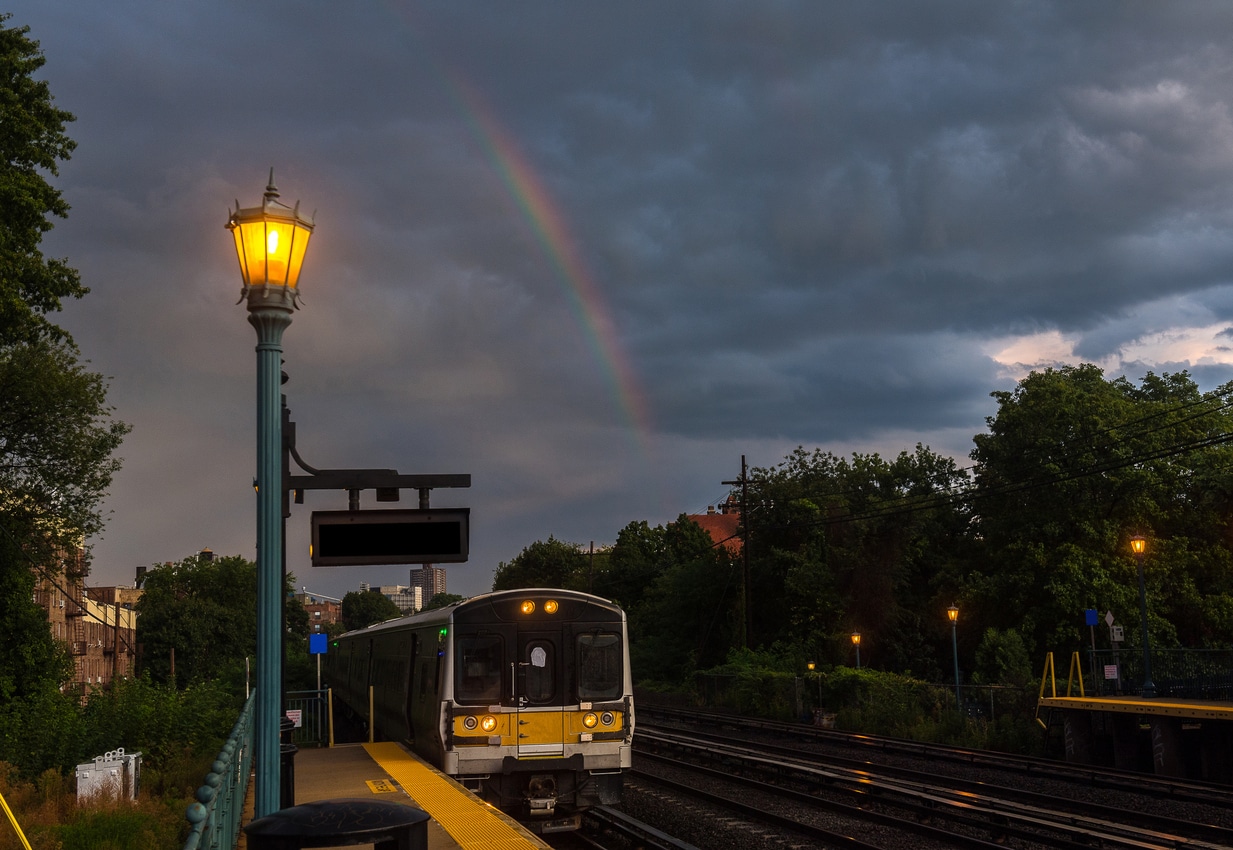
2. Getting around Long Island means trains, traffic, and trade-offs
Transportation on Long Island primarily comes down to a choice between the train and the car. The Long Island Rail Road (LIRR) is the most popular option for commuting into New York City. It’s reliable and usually faster than driving, though monthly passes are pricey.
Plenty of residents prefer to drive, especially in areas without direct train access. But traffic on the Long Island Expressway is a daily headache, and car trips into Manhattan get expensive once tolls, parking, and the city’s congestion charge are factored in.
Local buses in Nassau and Suffolk counties provide coverage, mostly feeding riders to train stations, while taxis, ride-hailing apps, and the Hampton Jitney offer alternatives at a higher cost.
3. Long Island is comparatively safe by NYC standards
Is Long Island safe compared to other parts of New York? Long Island consistently ranks among New York’s safest regions. Nassau County is considered the safest in the United States, with violent crime rates well below U.S. averages. Moreover, Suffolk County ranks safer than 87% of counties across the country.
Crime, however, is not evenly distributed. Dense villages such as Hempstead see higher incidents per capita than county norms.
So, is Long Island safe? Overall, yes. But just like anywhere else, the answer depends on the neighborhood.
4. The Long Island housing market stays competitive
Long Island’s housing market is among the most expensive in the country. Zillow puts the typical home value in Nassau County at about $824,000, up nearly five percent in the past year. In Suffolk County, the average is just over $704,000, about a four percent increase.
Compared with other metro areas, Long Island remains near the top. The wider New York region averages around $509,000. Limited supply, strong schools, and proximity to New York City keep demand steady, even as prices flatten elsewhere.
Renting an apartment on Long Island
Rents follow the same pattern. RentCafe lists the New York average at more than $2,200. The Nassau County towns located closest to the city run highest, while deeper into Suffolk, larger apartments or small homes become more affordable.
An apartment near the LIRR line in western Nassau can top $3,300, while the same budget further east may get you more. With limited availability, renters need to start early, widen their search, and be ready to act quickly.
Pro Tip: Use our moving checklist so you don’t miss any important steps during your move. |
5. The Long Island job market is strong but competitive
The Long Island job market is steady, with unemployment around 3 percent, lower than the national average. Growth is strongest in healthcare, education, and hospitality, while other sectors remain flat.
What is a livable salary on Long Island? Pay is higher than in much of the country. Median household income is $120,000. Jobs are available, but competition is real. Many people move here with work already lined up, particularly in specialized industries.

6. There’s a neighborhood for everyone on Long Island
Long Island has no shortage of great towns, but three stand out depending on what stage of life you’re in. Check out our guide to the best Long Island neighborhoods for more options.
Best for families: Kensington
This small Nassau County village is one of the safest places in the country and offers some of the best schools in the region. Tree-lined streets, a tight-knit community feel, and easy access to the city make it a top pick for families willing to put down roots.
Best for young adults: Huntington
Huntington strikes a balance between work and play. The downtown area is packed with restaurants, bars, and music venues, and the waterfront adds plenty of outdoor options. With direct LIRR service to Manhattan, it’s a great fit for young professionals who want energy and convenience without living in the city.
Most affordable: Farmingdale
For those watching their budget, Farmingdale is one of the more affordable spots on Long Island. It has a walkable downtown, its own LIRR station, and easy access to parks like Bethpage State Park. For first-time buyers, it’s one of the best places to live on Long Island without breaking the bank.
7. There’s are endless fun things to do on Long Island as a local
When it comes to fun, Long Island has something for everyone. Here are a few local favorites:
Wander the Nassau County Museum of Art and its sculpture gardens on the historic Gold Coast.
Step back in time at Old Bethpage Village Restoration, a living museum with costumed actors, historic buildings, and seasonal events like sheep-to-shawl fairs.Take a hike on free trails at Cold Spring Harbor State Park, just a short walk from the charming village.
In fall, head to the North Fork for apple cider donuts, vineyards, and scenic preserves, perfect for a relaxed day trip.
Catch a show at Guild Hall in East Hampton, a historic cultural institution recently renovated to host top-tier art and performances.
Explore the restored heritage at Elderfields Preserve, a peaceful historic house and garden tucked away in Flower Hill.
Discover quirky, TikTok-favorite spots such as paddleboard yoga sessions and seafood trail stops from Bay Shore to Montauk.
| Ready to make the move to Long Island? Get a fast, free quote from Colonial. |

Pros and Cons of Living on Long Island
Is Long Island a good place to live? Like anywhere, it depends on your priorities. But for most people moving to Long Island, the positives outweigh the drawbacks.
Pros of living on Long Island
Strong job market in healthcare, education, and professional services
Top-rated schools and family-friendly communities
Beaches, parks, and year-round outdoor recreation
Access to New York City with more space and quieter neighborhoods
Rich food, culture, and local history
Cons of living on Long Island
High cost of living, especially housing and taxes
Traffic congestion, particularly on the Long Island Expressway
Limited affordability in many Nassau communities
Winters can be long and icy
Overall, living on Long Island gives you suburban breathing room with the city close by. It isn’t cheap, but for many, the lifestyle makes it worth it.
Is It Time to Move to Long Island?
If the idea of living on Long Island appeals to you — the strong schools, lively downtowns, beaches, and proximity to New York City — then moving here could be the right next step. Yes, the costs and traffic can be challenges, but for many, the quality of life clearly outweighs the drawbacks.
When you’re ready, let the professionals handle the details. Colonial Van Lines has over 50 years of experience with long-distance moves, offering services that cover everything from packing to unloading. Get started today with a free moving quote.