

Moving Antiques and Valuables: Expert Tips from the Pros
Moving antiques and valuables requires more than standard packing and loading. These items often include irreplaceable heirlooms, fine art, collectibles, and furniture that carry both financial and sentimental value.
Because of their fragility and age, they need specialized handling, high-quality packing materials, and precise packing and moving services to prevent damage.
In this guide, we’ll cover everything you need to know about moving antiques and valuables — from preparing and documenting each piece to understanding how professional movers pack, transport, and inspect them.
Preparing for Moving Antiques and Valuables
Before a single box is packed, preparation sets the foundation for a safe and organized move.
When it comes to moving antiques and valuables, it’s important to document each item, as well as plan ahead to ensure every item is handled appropriately and accounted for from start to finish.
Make a detailed inventory of every item
Before you start packing, take stock of what you’re moving. Write down each antique or valuable, add short descriptions, and note measurements or estimated values.
It doesn’t have to be complicated — a spreadsheet or moving app works perfectly.
Photograph and record each item
Photos tell the story better than words. Take clear pictures of every piece from several angles and zoom in on any existing scratches, chips, or wear. If an item has moving parts or intricate details that are hard to capture in still photos, take a short video as well.
These images and recordings give you proof of condition and make it easier to spot damage after the move.
Consider additional insurance coverage
Basic moving coverage, known as “released value protection,” often isn’t enough to fully cover potential damage or loss of antiques or one-of-a-kind items. Look into full-value protection through your moving company, add temporary coverage through your homeowner’s insurance, or acquire coverage through a third-party insurance provider.
If you’re moving rare or especially valuable items, you can also buy additional transit insurance.
Clean and prepare items before packing
Dust, dirt, or loose debris can scratch delicate finishes during the move. That’s why it’s important to gently clean every piece before it’s packed.
Prepare for the move by removing detachable parts — drawers, shelves, hardware, etc. — and label each bag or box so reassembly is simple later.
What is the 100-year rule for antiques?
It has traditionally been accepted to classify items older than 100 years as antiques. This threshold was put in place by the more prestigious antique fairs and showrooms. However, the specific age requirement can vary. Furniture or other items that have historical significance or high-level craftsmanship might be considered antique at 60 to 80 years old.
For moving purposes, the term can also apply to any older or delicate item that holds significant value — financial or emotional. Whether it’s antique, vintage, a collectible, or simply something that holds sentimental value, it’s important to treat every fragile or one-of-a-kind piece with the same care, regardless of its exact age.
Packing Antiques and Valuables for Moving
Packing is where precision matters most. Antiques and valuables need structure, layering, and stability to stay safe and intact during transport.
Even if you plan to pack some items yourself, knowing the right materials and techniques makes all the difference in how they arrive. These methods are standard among experienced movers who handle delicate, high-value pieces every day.
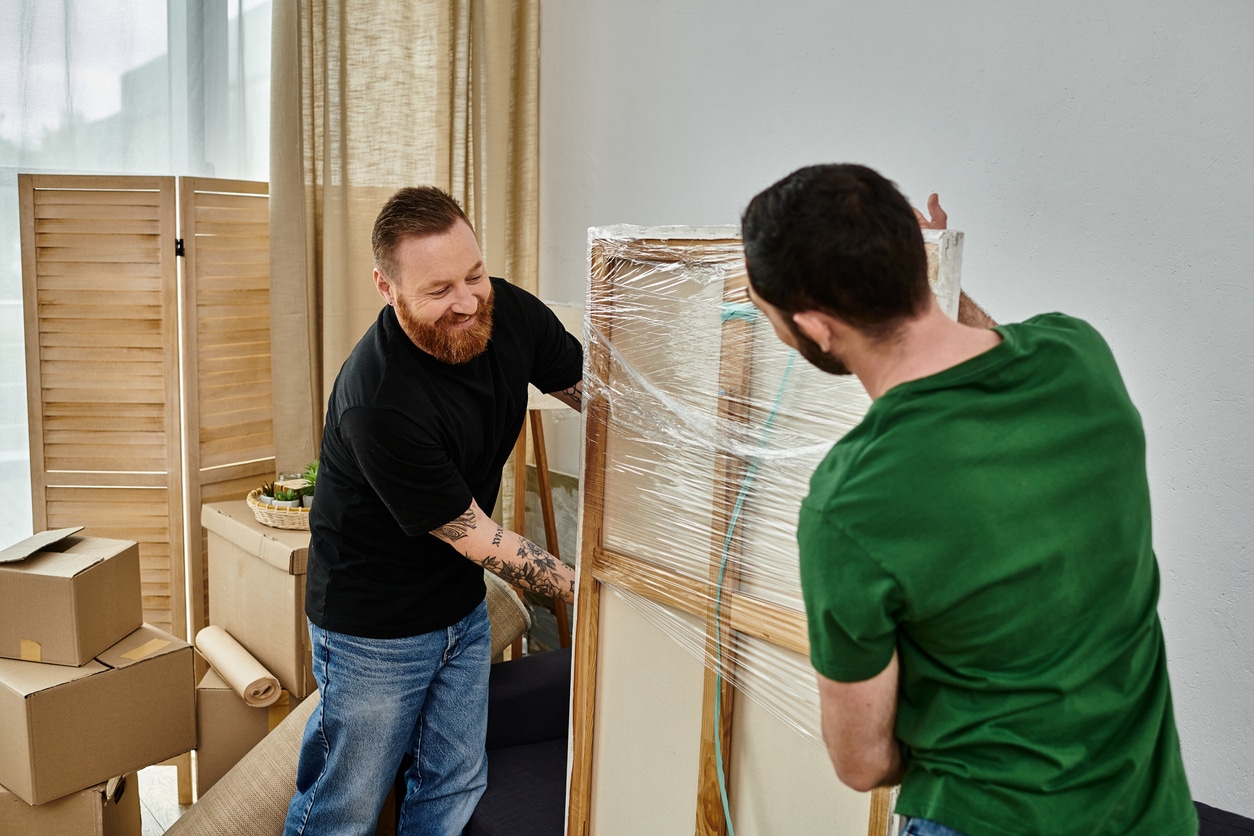
Framed artwork and mirrors
Framed art and mirrors require rigid support and soft padding to prevent cracks or frame warping.
For mirrors, movers first use painter’s tape to create a large X on the glass, to help prevent shattering. The next step is to wrap each piece in acid-free tissue paper, then put on foam corners, before enclosing it in a custom-sized mirror box or wooden crate. Labels such as “Do Not Lay Flat” or “Glass” help ensure the artwork is properly handled throughout the move.
Pianos
Moving a piano demands both strength and precision. Movers often remove the legs and pedals before wrapping each part in thick moving blankets. Then they will use heavy-duty straps or dollies to prevent tipping.
Temperature and humidity shifts can affect tuning, so it’s important to have your piano re-tuned after your move.
Even smaller instruments need protection during a move. Use padded cases and temperature-controlled transportation to offer extra protection.
Pool tables
Pool tables are heavy and fragile in equal measure. Movers disassemble them carefully — removing the felt, slate, and legs — and then label each part for reassembly.
Components are wrapped individually to avoid scratches or chips, and movers re-level the table at its destination.
Fragile items: Porcelain, glassware, and ceramics
Delicate pieces such as vases, crystal sets, and porcelain figurines need special handling to make sure they survive a move intact. The best approach for how to pack fragile items for moving involves layered cushioning. Each item is wrapped in acid-free paper, followed by bubble wrap or foam padding.
Movers then place them in double-walled boxes with dividers to prevent items from coming into contact with each other.
High-value items and collectibles
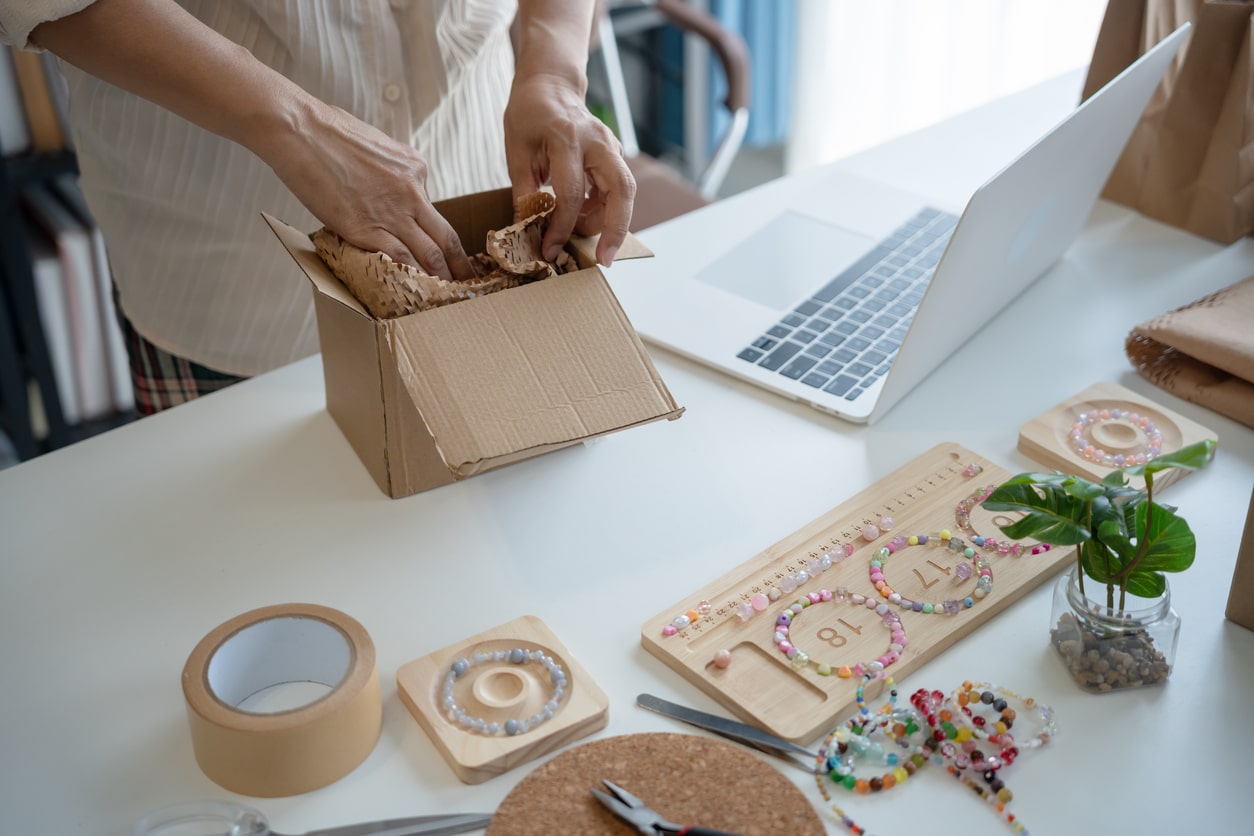
Jewelry, fine silver, and collectible items should be handled with discretion. Many homeowners choose to transport smaller valuables personally, but if not, some movers will accept them if they’re properly declared and insured.
Moving valuables entails using special packing materials, especially with jewelry, so that it doesn’t get tangled up or damaged. If your mover accepts high-value items, they may require these pieces to be packed in a sealed, inventoried crate.
Heavy antique furniture
Heavy antique furniture like wardrobes, dining tables, and armoires are often very heavy. So how do you move heavy antique furniture? It’s a unique challenge, as these items are both bulky and delicate.
Often larger pieces are disassembled first to protect fragile joints and reduce strain on the structure. Some types of antiques are quite different from furniture of today, and professional movers will understand the differences when it comes to taking them apart.
Then straps, sliders, or a dolly can be used to help lighten the physical load for the mover. It’s important to keep safety in mind when moving heavy antique furniture, and have multiple people available to reduce the risk of injury to the movers and damage to the furniture.
Grandfather clocks
Grandfather clocks combine craftsmanship and precision mechanics, which makes them tricky to move. They first need to be taken apart, and the pendulum, chimes, and weights should be removed and wrapped separately.
Next, movers typically secure the internal mechanism, pad the clock’s case with moving blankets, and keep it upright to protect the glass and wood. Once it’s in your new home, the clock should be reassembled and leveled before restarting.
Antique lighting and chandeliers
Chandeliers and vintage lighting fixtures are both ornate and fragile. Each crystal, bulb, or detachable arm should be removed, wrapped individually, and labeled for easy reassembly.
The fixture itself is often suspended or cushioned inside a padded crate to prevent stress on its wiring or frame. Whenever possible, professional dismounting and reinstallation help protect both the fixture and its electrical components.
Other specialty items and collectibles
“Antiques” is a catchall term. From vintage instruments and sculptures to fine silver, tapestries, and decorative mirrors, many different types of things that are older or valuable are considered antiques by some people. But whether or not an item is technically an antique, the important thing is the value to the homeowner.
Therefore, the goal in moving antiques and collectibles is always the same: Eliminate the risk of potential movement, pad every surface, and provide consistent protection throughout the move. Even the smallest considerations, such as using acid-free tissue paper to preserve artwork or marking which side faces up to reduce the chance of breaking, makes a difference when you’re moving antiques and valuables.
| Ready to start planning your move? Get a fast, free quote from Colonial. |

Inspecting Antiques and Valuables after your Move
The work of moving antiques doesn’t end when the last box is unloaded off the truck. Many antiques — especially those made of wood, paint, or delicate finishes — need to acclimate to their new environment. You’ll need to give your items time to settle before unwrapping them, as changes in temperature and humidity can cause expansion, warping, or cracking if you unwrap them too quickly.
Once the items have adjusted, unpack slowly and carefully. Compare each antique and valuable against the photos and inventory you created before the move.
If you see any damage, you will need to file a claim with the insurance. You can do this in just a few short steps:
Document the damage with pictures.
Familiarize yourself with the details of your insurance coverage.
Contact your mover or insurance company and file the claim forms.
Be prepared to provide follow-up information or other details.
Be patient It can take anywhere from 30 to 120 days for a claim to be resolved.
Preparing to move? Use our moving checklist so you don’t miss a step. |
How to Find the Best Moving Company for Antiques and Valuables
Moving antiques means finding someone you trust to handle items that hold historical sentimental, and often significant monetary value. The right movers understand that. They use the proper materials, know how to secure fragile items, and approach each piece as if it were their own.
What do professional movers bring to a move that involves antiques and collectibles?
Experience
Antiques don’t behave like modern furniture. A century-old dresser or a hand-carved table might react to pressure in ways that surprise those who don’t understand the nuances. And many of the pieces that need to be taken apart to be securely packed and moved are built differently than today’s counterparts. That’s why experience matters.
If you’re moving antiques, look for movers who have a proven track record with antique furniture, artwork, and collectibles. Ask how long they’ve handled specialty moves and what kind of items they’ve transported. The more experience they have, the better they’ll understand how to balance care with efficiency.
Training
Moving antiques takes more than muscle. The best companies invest in training so their crews know how to disassemble, wrap, and crate items without causing damage.
Consider training that covers everything from climate-sensitive packaging to handling complex or oversized antiques. This kind of education means your valuables are protected by people who know what they’re doing, not just people who can lift.
Insurance
Even with the most careful planning, accidents can happen, and you’ll want peace of mind knowing your antiques are covered.
Interstate movers are required by law to provide two types of valuation coverage, which is technically not insurance. These two types are: basic liability coverage (known as Released Value Protection) and Full Value Protection.
Released Value Protection is free of charge but only provides $0.60 per pound for every item. This means that a 10-pound. antique lamp would yield $6 — totally inadequate by most people’s standards.
Full Value Protection costs extra (expect to pay around 1 to 3% of the total declared shipment value) and requires a mover to repair, replace, or reimburse you for damaged or lost items at their current market value.
For items that are especially valuable, it’s best to opt for traditional coverage by an insurance provider. As moving companies aren’t licensed insurance providers, they can’t sell these policies themselves but some may be able to connect you with a third-party provider.
Transparency
The best professional movers communicate regularly and are open about all costs and processes. Before the move you should receive a clear, written estimate that outlines what’s included. No vague terms, no hidden charges. And expect good communication — the company should keep you informed from pick-up to delivery.
Licenses
Before hiring, check that your movers are properly licensed for interstate work. Reputable companies display their U.S. DOT and FMCSA numbers openly on their website.
Licensing is a sure sign the company meets national safety and accountability standards. It also gives you a channel for recourse if something goes wrong.
Why Colonial Van Lines Is Great for Moving with Antiques and Valuables
When moving antiques and valuables, skill matters as much as strength. At Colonial Van Lines, we bring both.
Our crews receive specialized training through CVL University, where every mover learns how to wrap, lift, and transport our customers’ safely. That level of preparation is unique in the industry, and it’s what makes Colonial Van Lines a top choice for people who expect more from their long-distance movers.
Here’s what sets us apart:
Long-distance expertise: We specialize in long-distance and interstate moves, coordinating every phase — from packing to delivery — with precision and care.
Specialized training: Every mover is trained to handle items using proven techniques to minimize the risk of damage.
Full-service options: We handle packing, loading, transport, and unloading so your move stays streamlined from start to finish.
Transparent communication at every step: Your dedicated moving coordinator keeps you informed and confident throughout your move.
Protect what Matters Most
Moving antiques and valuables takes planning, patience, and care. With the right movers, even your most fragile or sentimental pieces can arrive safely and ready for their next chapter.
At Colonial Van Lines, we bring experience and attention to detail to every long-distance move. From careful packing to safe transport and final delivery, our team knows how to handle what matters most. Get a free moving quote today!