
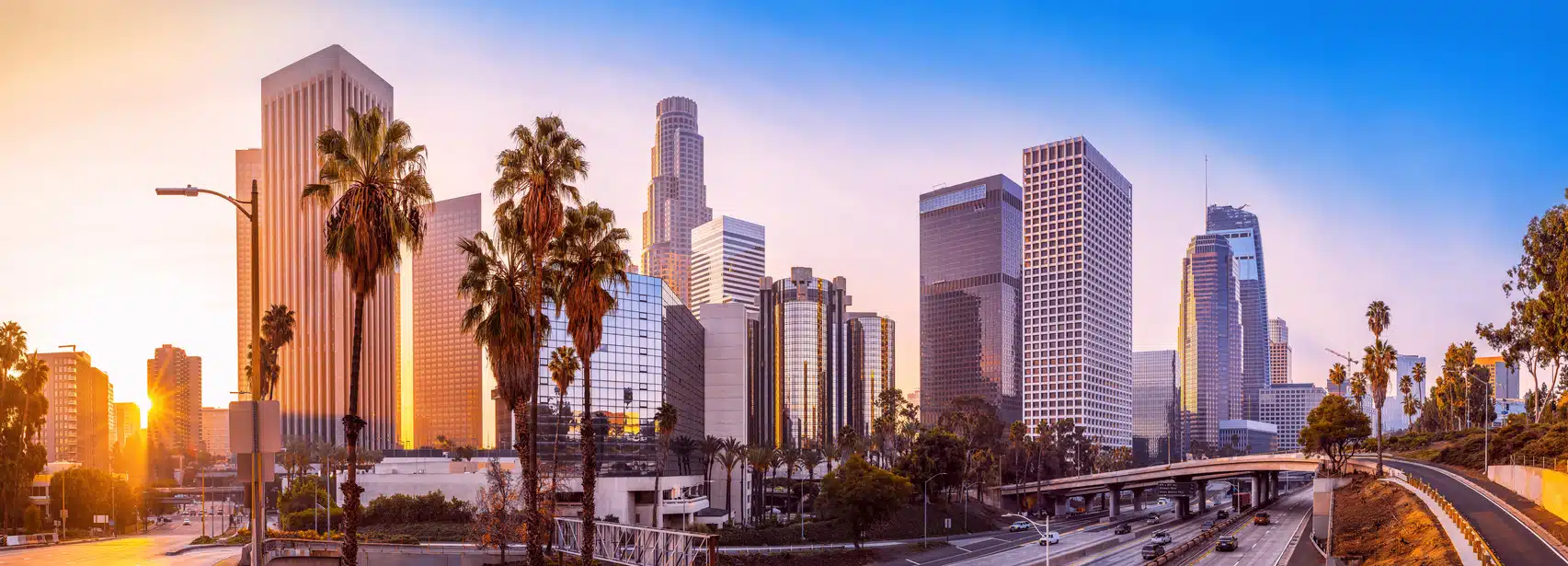
Sure, they’re both in California — but moving from San Francisco to Los Angeles can still be a culture shock. San Francisco is known for its tech influence, bohemian vibes, cloudy weather, and sweeping views of the Santa Cruz Mountains and Pacific Ocean. Meanwhile, Los Angeles is famous for its beach lifestyle, perennial sunshine, and close ties with the film, television, and music industries. There are many perks of relocating to the City of Angeles, but there’s also a lot to consider before you head south.
Let’s explore the ins and outs moving from San Francisco to LA, so you can make the most of this new chapter. We’ll discuss the cost of living in San Francisco versus LA, along with other important distinctions like the climate, transportation, housing, job market, entertainment scene, and more. Whatever your reasons for replacing the Golden Gate Bridge with the Hollywood sign, here’s what you need to know first.
Moving From San Francisco to LA: How Do They Compare?
These two cities are often associated with one another, given they’re both major West Coast urban hubs with iconic attractions, diverse cultural influences, and close proximity to the ocean. But living in Los Angeles will differ from San Francisco in some notable ways, too. Here’s how they each compare and contrast at a glance.
Fast Facts: San Francisco vs. LA
San Francisco | Los Angeles | |
Population | ||
Median Age | ||
Climate | ||
Cost of Living (100 is the national average) | ||
Median Home Price | ||
Average Rent |
Bay Area natives who are tired of San Francisco’s chilly overcast weather and million-dollar real estate market will appreciate the warm, sunny climate and the (slightly) cheaper housing costs in LA. However, they might also miss the convenience of San Francisco’s public transit system, which puts the notorious Los Angeles commuter traffic to shame.
As with any other relocation, there are pros and cons to living in LA versus San Francisco. To help ease this transition as much as possible, let’s dive into the main factors you’ll want to keep in mind when moving from San Francisco to Los Angeles.

Cost of Living in LA vs. Cost of Living in San Francisco
The most attractive perk of moving from San Francisco to LA might just be the cost of living differences. There’s no denying that both cities are expensive, but when you do the math, it’s slightly cheaper to live in LA versus San Francisco.
The cost of living in LA is 14% below the cost of living in San Francisco. This means you need about $8,455 per month to afford the same quality of life in Los Angeles that would cost you $10,000 per month in San Francisco. Here’s how this breaks down:
State Taxes: Both Los Angeles and San Francisco have some of the heaviest state tax burdens in the U.S. — a combined 11% for income and property taxes.
Groceries: The average household in San Francisco will spend about $300 on groceries per week, while the average household in LA will spend $295.
Fuel: It will cost you $4.35 per gallon to fill up your gas tank in both San Francisco and Los Angeles.
Utilities: The average household in San Francisco will spend about $290 on utilities per month, while the average household in LA will spend $230.
Rent: The average cost of rent for a two-bedroom apartment is $4,582 per month in San Francisco and $3,346 per month in Los Angeles.
Home Prices: The median value of a single-family home is about $1.27 million in San Francisco and $923,800 in Los Angeles.
| Ready to make the move to Los Angeles? Get a fast, free quote from Colonial. |
LA vs. San Francisco: Other Considerations
Cost of living is a top consideration for any move, but it’s not the only factor impacting this decision. You’ll also want to think about the weather and climate, transportation, job outlook, crime rates, and entertainment options. On that note, this guide can help you determine if moving from San Francisco to Los Angeles will be a solid next step.
1. The weather in LA is warmer and sunnier than in San Francisco
Unlike the cool, cloudy weather in San Francisco, Los Angeles has a warm Mediterranean climate with 284 days of sunshine and just 16 inches of rainfall each year. Summers are long and hot with temperatures hovering in the mid-80s, while even the chilliest winter months rarely drop below 45 degrees. But while the sunny LA weather could be a welcome respite from that dense coastal fog which often settles over San Francisco, LA is prone to climate extremes such as droughts, wildfires, earthquakes, and mudslides.
2. Los Angeles is a commuter city, so brace yourself for all the traffic
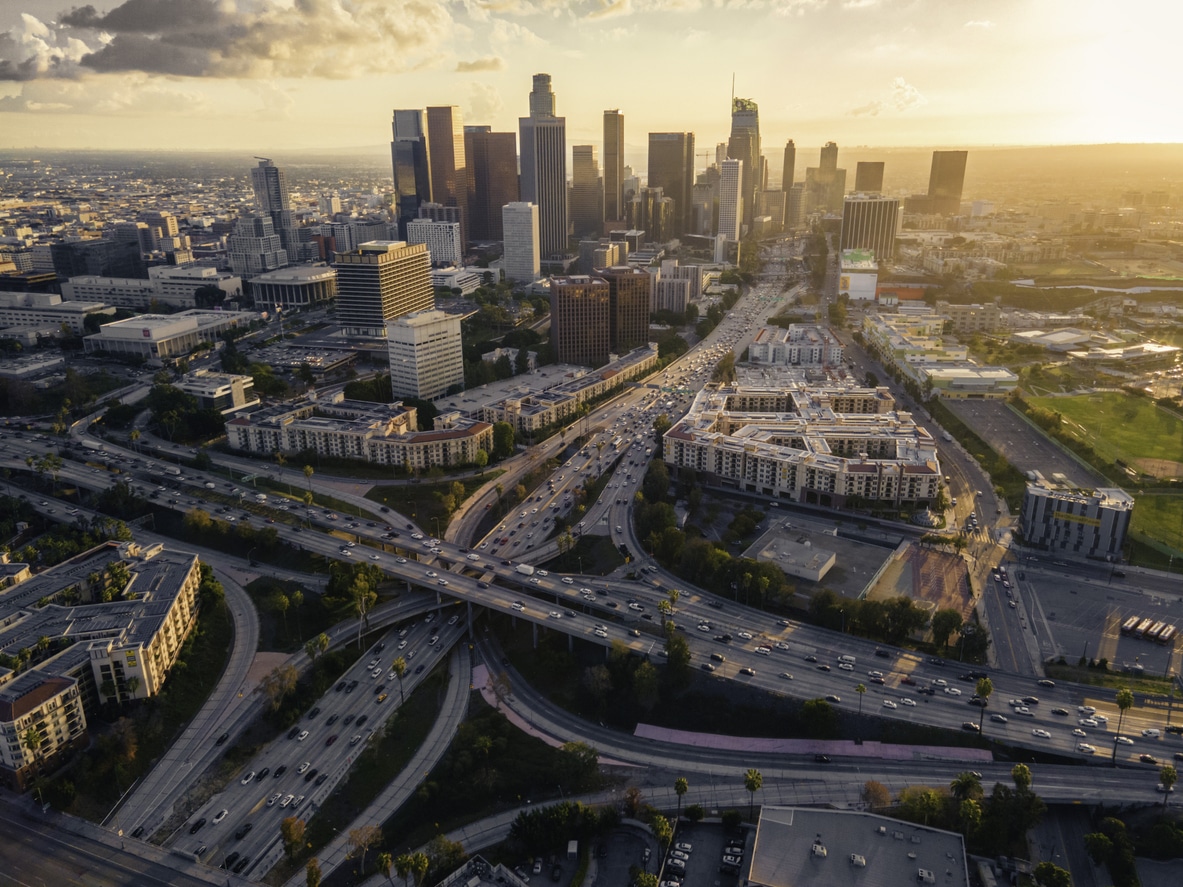
Due to its enormous size (472 square miles, to be exact), you’ll need a car to navigate LA: The public transit here isn’t nearly as accessible or reliable as San Francisco’s extensive network of Muni buses, streetcars, and light rail trains. And make sure to leave yourself more than enough time to drive from Point A to Point B — this city has some of the nation’s worst traffic. In fact, LA commuters lose up to 137 hours on the road each year.
3. LA’s job market is a mixed bag, but it’s projected to gain momentum
Recent estimates place Los Angeles’ unemployment rate at 5.7%. Sure, that’s above San Francisco’s unemployment rate of 4.4%, but despite a slow start to 2026, the economic forecast is projected to gain momentum as this year continues.
LA also benefits from a diverse job market with exciting industries like media, entertainment, fashion, tourism, hospitality, education, healthcare, bioscience, technology, construction, real estate, and finance. The average annual salary in LA is less than what you might be used to earning in San Francisco ($93,000 versus $118,000), but with the cheaper cost of living, it balances out. Plus, $93,000 is much higher than some other U.S. cities.

4. Both cities have high crime, but San Francisco is on another level
Because it covers such a large urban footprint, LA’s crime rate exceeds the national average by 4% — but that’s tame compared to San Francisco (114% above the national average). To put this into context, 2,212 crimes are reported in Los Angeles per 100,000 residents versus 4,526 in San Francisco and 2,564 statewide.
It’s also worth noting that most crimes occur in small pockets of the city, so exercising basic caution can help avoid putting yourself at risk. In terms of overall safety, the three best neighborhoods in Los Angeles are Bel Air, Sherman Oaks, and Brentwood.
5. It’s hard to beat Los Angeles’ world-famous entertainment scene
Los Angeles boasts vibrant attractions and events that draw in nearly 50 million visitors from around the globe each year. LA’s entertainment scene is anchored by iconic Hollywood film and TV studios, music and athletic venues, cultural institutions, and so much more.

Sports fans can cheer on the LA Lakers, Dodgers, Rams, or Kings. Art lovers can explore The Getty Museum and LACMA. Foodies can sample everything from Michelin-starred restaurants to legendary street tacos and Korean BBQ. Outdoor enthusiasts can also soak up the sun at over 20 pristine beaches, as well as 4,210 acres of lush nature trails at Griffith Park.
By contrast, San Francisco has a more intimate entertainment scene, known for historic indie cinemas, bohemian music festivals, quirky art galleries, experimental theaters, and tech-inspired creativity. While both cities offer tons of excitement, LA stands out for its variety and scope, which cater to just about every interest imaginable.
The Cost of Moving From San Francisco to Los Angeles
How much does it cost to move from San Francisco to Los Angeles? This comes down to a number of variables such as when and where you relocate, the amount of items in your haul, and the moving service tier you choose. But to give you an idea of how much money to set aside when moving from San Francisco to Los Angeles, the average cost to move an average-sized two-bedroom home is about $1,100–$3,100 to hire full-service movers.*
Pro Tip: Follow this moving checklist to stay organized at each step in the relocation process. |
Top Options for Moving From San Francisco To LA
When it comes to any long-distance relocation — like moving from San Francisco to LA — you have two main options: renting a truck and DIYing the process, or hiring a team of full-service movers to do it for you. Here’s what to know about each of these moving services.
DIY with a rental truck
With this option, you rent the truck, then handle the labor yourself — from packing and loading, to driving and unloading. If you’re on a strict budget, the DIY route will curb some moving costs, but it also eats up a lot of time and effort. Plus, it’s on you to drive the truck, which can be a challenge on California’s busy freeways.
Full-service movers
With this option, you hire full-service movers to tackle the logistics for you. These professionals will load the truck, transport your items, then unload them in your new home. For an extra fee, they’ll even pack the boxes for you, which saves time and lowers the risk of damage. Full-service moves cost more than DIY, but the tradeoff is greater convenience, minimal stress, and the knowledge that your items are in expert care.
Embrace the LA Lifestyle With Colonial Van Lines
While San Francisco and Los Angeles are both iconic California cities, moving between them brings can mean big differences in lifestyle and expenses, making planning, preparation, and the right moving help essential.
For moves that go beyond California’s borders, Colonial Van Lines brings decades of experience handling interstate relocations. With more than 12,000 moves completed each year, we have the expertise to make this transition as smooth as possible. Our professionally trained movers will carefully pack, load, and transport all your items to help ensure a safe arrival at your new LA home. Contact us for a fast, free moving quote today.
*Colonial Van Lines provides interstate moving services only and does not offer intrastate (within-state) moves.