

Packing Checklist for Moving
Packing is one of the most labor-intensive parts of any move. Depending on the size of your home, it can take multiple days, weeks, or even months to box up all your items for transport.
But as stressful as packing can be, there are ways to streamline the process. That’s where a packing checklist for moving comes in. This handy resource will keep you organized from start to finish, so you can pack each room methodically and efficiently.
Paired with our printable moving checklist, you’ll be sure to make your transition a whole lot smoother.
Gather Your Packing Supplies
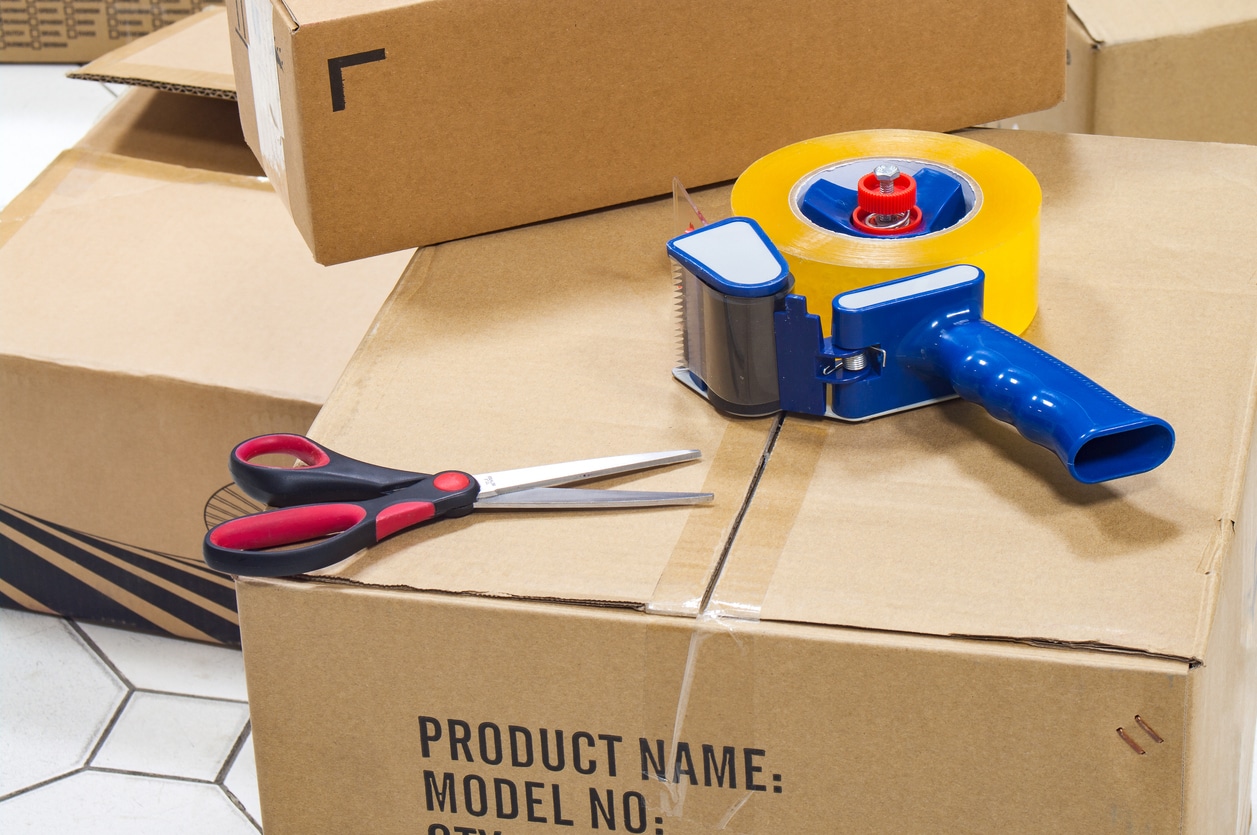
The first step is to assemble all your packing supplies. Certain fragile or valuable items require specialty materials for an extra layer of protection, but here’s a general list of supplies to start you off.
General Packing Supplies for Moving
Small, medium, and large boxes
Wardrobe boxes (for clothes that hang in your closet)
TV boxes (for large, flat TV screens and computer monitors)
Mirror and picture frame boxes
Dish boxes with protective sleeves and separators
Mattress covers
Moving pads or furniture blankets
Cling wrap (for securing drawers or protecting furniture)
Scissors or a utility knife
Permanent markers
Packing tape and tape dispenser
Corrugated inserts (to prevent items from colliding with or rubbing against each other)
Cushioning materials (packing paper, bubble wrap, foam sheets, etc.)
Labels or stickers (for labeling box contents and designated rooms)
| Would you prefer to have professionals take care of all the packing for you? Get a fast and free moving quote from Colonial Van Lines. |
Packing Checklist for Moving (Room-by-Room)
Now that you have all the right supplies on hand, let’s jump into the nuts and bolts of packing. Whether you’re moving out of state or relocating across town, this packing checklist for moving will make the whole process feel easier and more manageable.
Packing List for the Attic, Basement, Garage, or Shed
In terms of what to pack first when moving, focus on rooms primarily used for storage. Think: the attic, basement, garage, or shed. Chances are, these rooms contain items you won’t need immediate access to, which makes them logical places to start.
- Holiday decorations (e.g., ornaments, lights, wreaths)
- Seasonal gear (e.g., camping or skiing equipment)
- Exercise equipment (e.g., free weights, resistance bands, yoga mats)
- Sports gear (e.g., bikes, helmets, balls, golf clubs)
- Appliances or electronics (e.g., mini fridge, basement TV, game consoles)
- Paint cans or home improvement materials (seal tightly and pack containers separately)
- Photo albums and other family memorabilia (use acid-free boxes to minimize damage)
- Lawn care equipment or garden tools (cover and cushion sharp edges)
- Outdoor furniture and patio decorations (use cling wrap on any fragile items)
- Extension cords or cables (untangle, coil up, and secure with twist ties)
- Power or hand tools (remove any batteries and wrap in bundles)
- Travel gear and suitcases (fill with soft, light items to maximize space)
- Fertilizers, chemicals, or automotive fluids (seal tightly and pack containers separately)
Packing List for the Guest Room and Storage Closets
The guest room and storage closets come next on your packing checklist for moving. Since these rooms likely won’t be occupied before the move, you can box them up without interruptions.
- Spare linens, towels, curtains, and pillows (vacuum-seal if possible to maximize space)
- Bed frame (disassemble, place fasteners in a Ziploc bag, bundle frame pieces)
- Mattress and box spring (place inside mattress covers)
- Office supplies (e.g., small electronics, filing documents, writing utensils)
- Wall decorations (wrap in blankets and use mirror boxes)
- Curtain rods (disassemble, place fasteners in a Ziploc bag, bundle rod pieces)
- Bedroom furniture (secure drawers with cling wrap)
- Floor or table lamps (remove light bulbs and shades before packing)
Packing List for Decor and Other Non-Essentials
Now that you’ve taken care of all the storage areas, concentrate on other non-essentials. This includes small furniture, decorations, entertainment and electronics—basically, whatever items you can manage without in the final weeks before the move.
Mirrors, artwork, or framed photos (wrap in blankets and use mirror boxes)
Wall clocks (remove batteries and cushion with bubble wrap)
Shelves and wall hooks (remove nails or screws, place fasteners in a Ziploc bag)
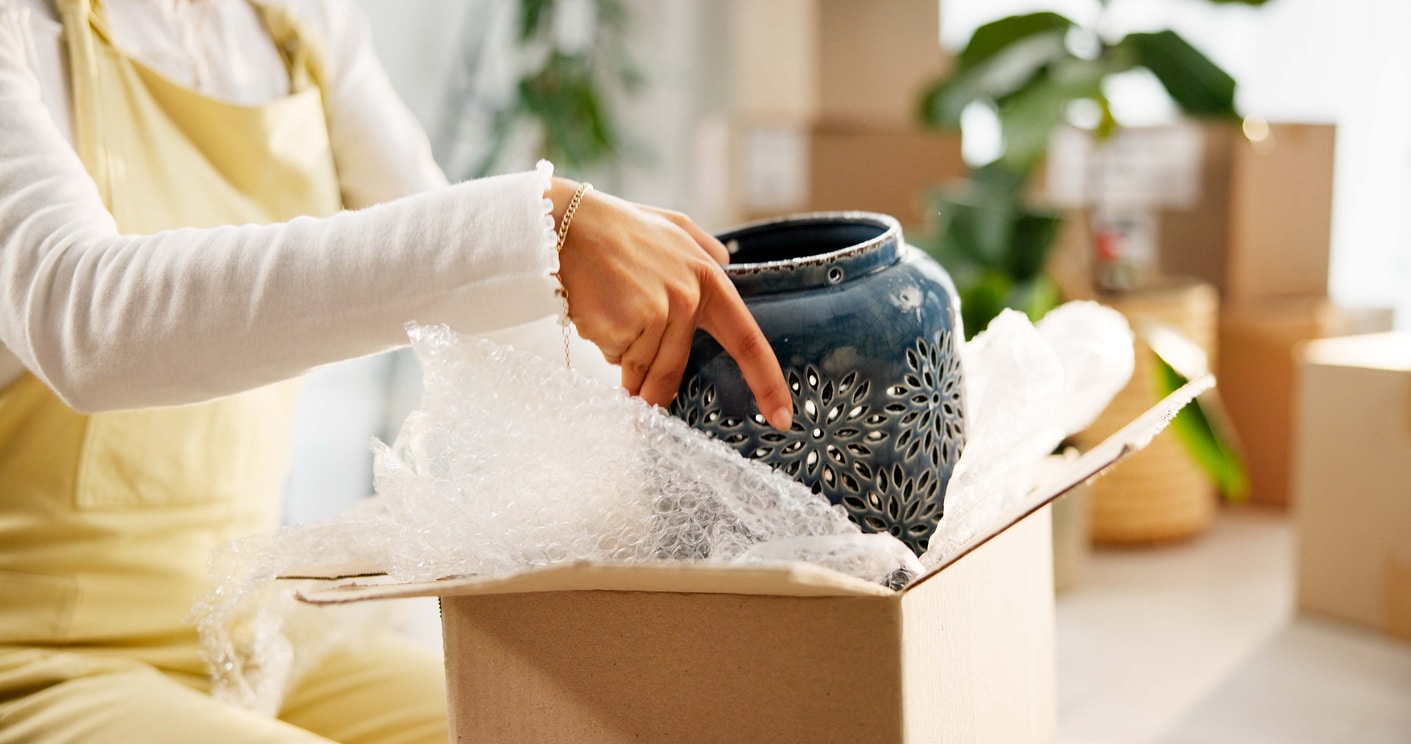
Glass or ceramic vases (cushion with bubble wrap)
Tabletop decor and collectibles (cushion fragile items with bubble wrap)
Floor or table lamps (remove light bulbs and shades before packing)
Candles (store in a cool, climate-controlled place to prevent melting)
Small end tables (wrap in blankets or furniture pads)
Bookcases (remove shelf inserts and place fasteners in a Ziploc bag)
Throw pillows (vacuum-seal if possible to maximize space)
Area rugs and curtains (roll up tightly and secure with a rope, bungee cord, or thick tape)
Curtain rods (disassemble, place fasteners in a Ziploc bag, bundle rod pieces)
Non-essential cleaning supplies (seal tightly and pack upright to avoid leaks)
Entertainment (e.g., board games, puzzles, books, movies, craft materials)
TV or large electronics (wrap in a blanket, place remotes in a Ziploc bag, use a TV box)
Packing List for the Dining Room
Once you’re done with those miscellaneous items on your checklist for moving, it's time to turn your attention to the dining room. Remember to be extra careful, as this room likely contains fragile items that require special cushioning and packing techniques.
Table linens (e.g., napkins, runners, tablecloths, placemats)
China dishes (wrap each item in parchment or foam sleeves and pack vertically)
Glassware (wrap each item in parchment and use cardboard separators)
Serving bowls and platters (wrap each item in parchment and pack vertically)
Serving utensils and cutlery (cover sharp edges and bundle with twist ties)
Centerpiece (pack by itself if possible to minimize damage)
China cabinet (clear out entirely and secure drawers and doors with cling wrap)
Table (remove leaves, disassemble legs, place fasteners in a Ziploc bag, bundle legs)
Chairs (disassemble legs, place fasteners in a Ziploc bag, bundle legs)
Bar cart or wine rack (remove bottles and keep boxes in a cool, climate-controlled place)
Packing List for the Main Bedrooms and Closets
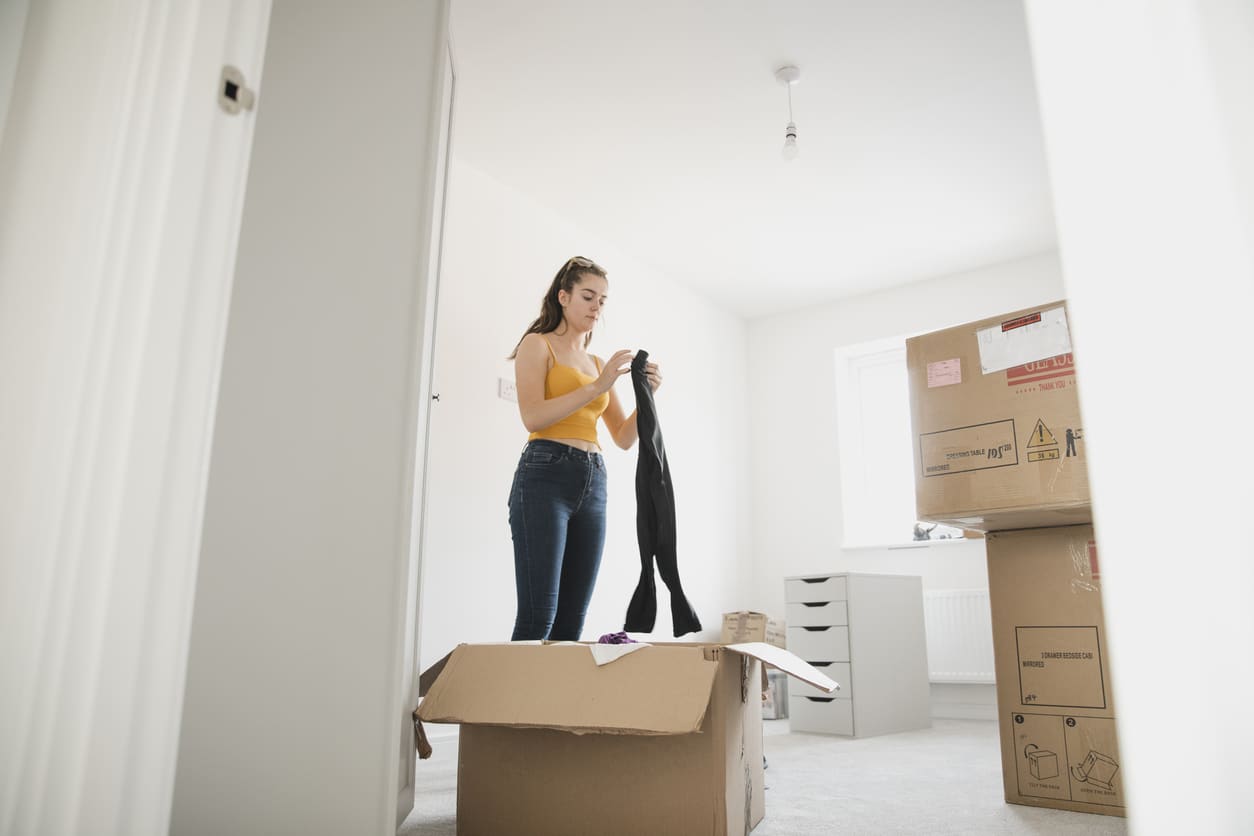
Now it’s time for the most frequented areas of your home — starting with the main bedrooms. When packing these rooms, only leave out the items you need access to, like enough clothes and linens to tide you over (those items can be boxed up on moving day).
Bed frames (disassemble, place fasteners in a Ziploc bag, bundle frame pieces)
Mattresses and box springs (place inside mattress covers)
Headboard or footboard (wrap in blankets)
Dressers and nightstands (secure drawers with cling wrap)
Other furniture (e.g., side chairs, benches, ottomans)
Area rugs and curtains (roll up tightly and secure with a rope, bungee cord, or thick tape)
Curtain rods (disassemble, place fasteners in a Ziploc bag, bundle rod pieces)
Floor or table lamps (remove light bulbs and shades before packing)
Wall decorations (wrap in blankets and use mirror boxes)
Bed sheets, comforters, and pillows (vacuum seal if possible to maximize space)
Clothes (group by season and hang in wardrobe boxes)
Shoes (pack in original boxes or place at the bottom of wardrobe boxes)
Accessories (e.g., hats, neckties, scarves, belts, jewelry)
Tabletop decor (e.g., alarm clocks, framed photos, collectibles)
Packing List for the Kitchen
The kitchen is a difficult room to pack since many of the items have unique shapes, hefty sizes, or delicate attachments. Set aside plenty of time for the kitchen — similar to the dining room, it requires careful attention to detail. Otherwise, you’ll risk damage in transit.
Plates (wrap individually in packing paper or foam sleeves and pack vertically)
Bowls (wrap individually in packing paper and nest inside each other)
Cups and mugs (wrap individually in packing paper and use cardboard separators)
Mixing bowls, strainers, and casserole dishes (wrap if fragile and nest inside each other)
Baking sheets and muffin tins (pack vertically)
Pots and pans (nest inside each other and wrap lids separately)
Small appliances (e.g., coffee maker, toaster, crockpot, microwave, blender)
Cooking utensils (e.g., whisks, spatulas, tongs, ladles, can openers, measuring tools)
Cutlery (cover and cushion sharp edges)
Silverware (sort by type, bundle together, secure with twist ties)
Non-perishable foods (seal tightly and store upright to avoid leaks or spills)
Packing List for the Bathrooms
We’ve made it to the last room on this packing list for moving. Bathrooms contain all sorts of personal care and hygiene products — some of which might be expired or no longer useful, so declutter what you can before packing the items you want to keep.
Shower curtain and liner (store hooks in Ziploc bag and roll up and secure with thick tape)
Towels, washcloths, and bathrobes (vacuum seal if possible to maximize space)
Bath mats and rugs (roll up tightly and secure with thick tape)
Non-essential toiletries (any personal care items you don’t use regularly)
Non-essential medications or first aid items (seal tightly and store upright to avoid spills)
Wall decorations (wrap in blankets and use mirror boxes)
Air fresheners or diffusers (drain out all fluids before packing)
Trash bin (empty out and clean and place small items inside)
Bathroom sets (e.g., soap dispenser, toothbrush holder, tissue box)
Grooming tools (e.g. hair dryer, electric razor, tweezers, flat or curling iron)
Spare hygiene items (e.g., tissues, soap, toothbrushes, cotton swabs, toilet paper)
Cleaning supplies (e.g., toilet brush, plunger, disinfectant wipes)
Packing List for Moving Day (Essentials Box and Personal Vehicle Items)
There’s just one final step on your checklist for moving — the essentials box. This is where you’ll pack the items you need access to, both in transit and upon arrival at your new home. Now is also the time to pack climate sensitive items in your vehicle, such as houseplants or certain electronics that won’t fare well in a moving truck.
Spare clothes (enough to last each family member for about a week)
Essential toiletries (e.g., toothpaste, body wash, shampoo, deodorant)
Essential cleaning supplies (after doing your final cleaning)
Essential medications (keep these on your person in their original containers)
Electronic chargers and cables (untangle, coil up, secure with twist ties)
Important records (e.g., birth certificates, passports, insurance documents)
Live houseplants (place these in the car right before you leave)
Disposable utensils and plates (to use before dishes arrive at your new home)
Toys and entertainment for kids (to occupy them on the drive)
Pet bowls and extra food (seal tightly to avoid spills)
Non-perishable snacks (e.g. nuts, crackers, granola bars, pretzels, instant coffee)
Shower rod, rings, and curtain
Towels and linens for the first week
Packing Tips for Moving: FAQS
Here are a few more packing tips for moving to streamline the packing process even further.
And keep in mind: if you’d rather avoid the hassle of packing entirely, you can always hire a professional packing service to handle it for you.
How long before a move should you start packing?
Start packing your non-essential items at least 6–8 weeks before the move. Declutter as much as you can in advance, so there’s less to box up and transport (which can also save you money). Then, collect the necessary packing supplies and use this packing checklist.
In what order should I start packing for a move?
If you’re not sure what to pack first when moving, a helpful rule of thumb is to begin with items you don’t use often in less frequented rooms. At this stage in the process, focus on the attic, basement, garage, shed, and guest bedroom since these rooms are mostly used for storage. Holiday or seasonal decor is an excellent place to start — depending on the time of year, chances are you won’t need to access these items leading up to the move.
What is the hardest room to pack when moving?
The hardest room to pack is typically the kitchen. That’s because most kitchen items are either delicate, cumbersome, or unusually shaped. This requires special care and attention to detail while packing to minimize the risk of damage in transit.
What is the last item you should pack when moving?
The last items to pack are essentials you use on a regular basis—or that you’ll need to travel with. Think: toiletries, medications, spare clothes, extra towels and linens, perishable foods, a few basic cooking pans and utensils, cleaning supplies for a final wipe-down, critical documents, and electronics like your computer, mobile devices, and chargers.
Need Help with Your Move? Colonial Van Lines Has You Covered
With this helpful guide, you can start packing with confidence. It might not be easy, but at least you’ll have an organized plan of action to stay on track.
There’s also no need to navigate your move alone. With our 50-plus years of experience as long-distance movers, Colonial Van Lines is here to deliver seamless, reliable packing and moving services you can trust. Contact us for a free quote and let’s get you all set for this new chapter.