
When you think of moving to Texas, you might envision cowboys, cacti, and wide open spaces. It makes sense — the Lone Star State definitely has plenty of all three.
But do you also think of major tech hubs fueling one of the most significant population shifts in the country? How about some of the most affordable cities in the country? Or world-class barbecue and football?
Regardless of what you’re looking for, you can probably find it while living in Texas. Before you saddle up and head west, though, you’ll need to do your research. In this guide, we’re serving up the biggest pros and cons of living in Texas. Read on to find out whether the Lone Star State may in fact be the right choice for you.
13 Pros and Cons of Living in Texas
Are you already primed to wear your ten-gallon hat and become a true-blue Texan? You’ll want to hold your horses just a moment before you commit, as there are both advantages and disadvantages to moving to Texas. Here’s our list of 13 things you should know.
1) Pro: No two regions are alike in Texas
Because Texas is such a big state, it has several distinct regions, each with its own landscapes, cultural centers, and social norms.
The Panhandle is a mostly agricultural area covering the northernmost portions of the state. The landscape here is characterized by flat prairie terrain and sprawling farmland. The largest city in this area is Amarillo, with a population of just over 200,000.
West Texas is where you’ll find the classic desert landscapes many associate with the Southwest. The region’s largest city, El Paso, sits on the border with Mexico, and reflects generations of cultural exchange between the U.S. and its neighbor to the south.
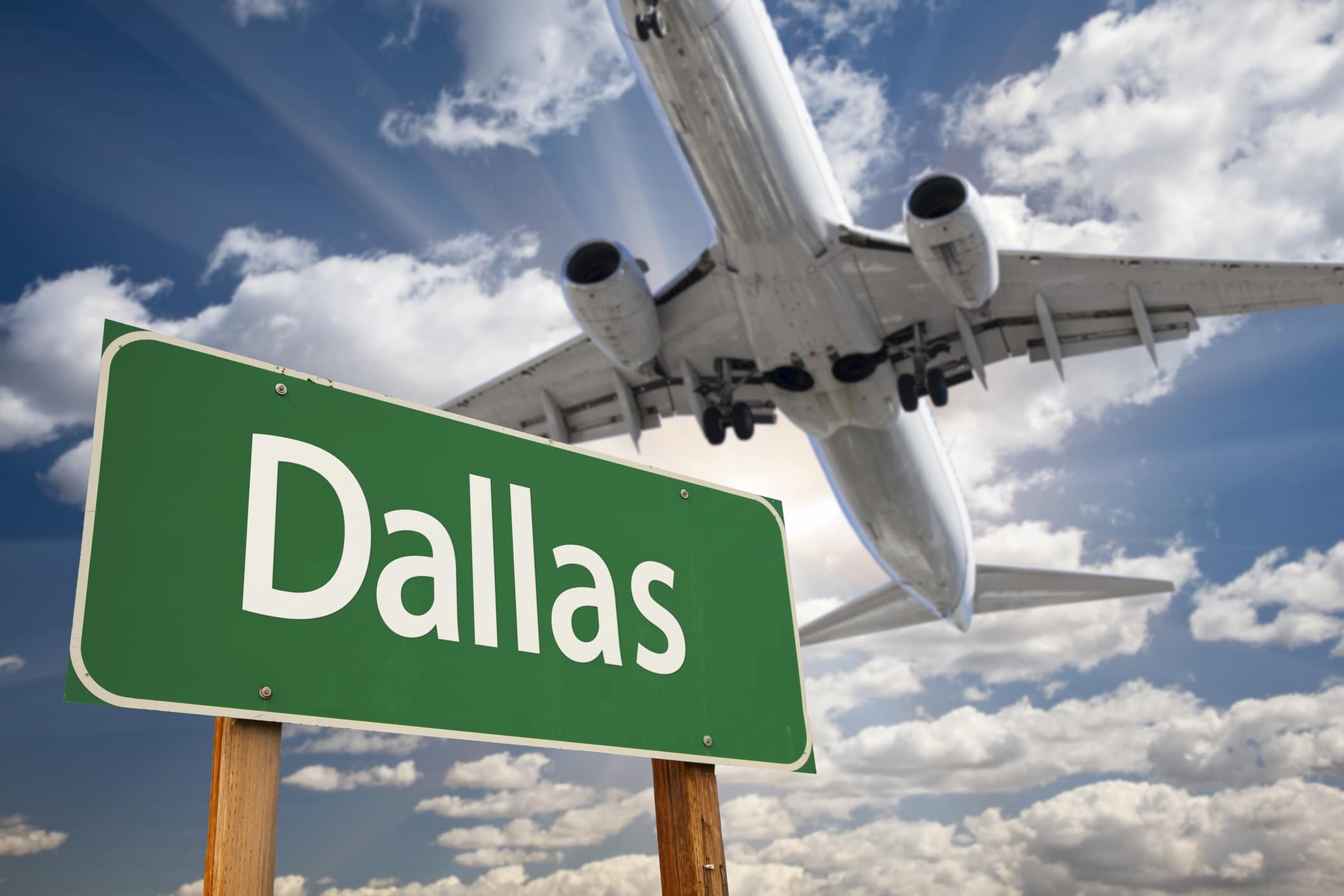
North Texas is actually not the northernmost area in the state — that would be the Panhandle. It’s situated slightly south and east of the Panhandle, made up primarily of the Dallas-Fort Worth Metro Area. You’ll find a more urban feel, a strong business community, and a booming tech sector here.
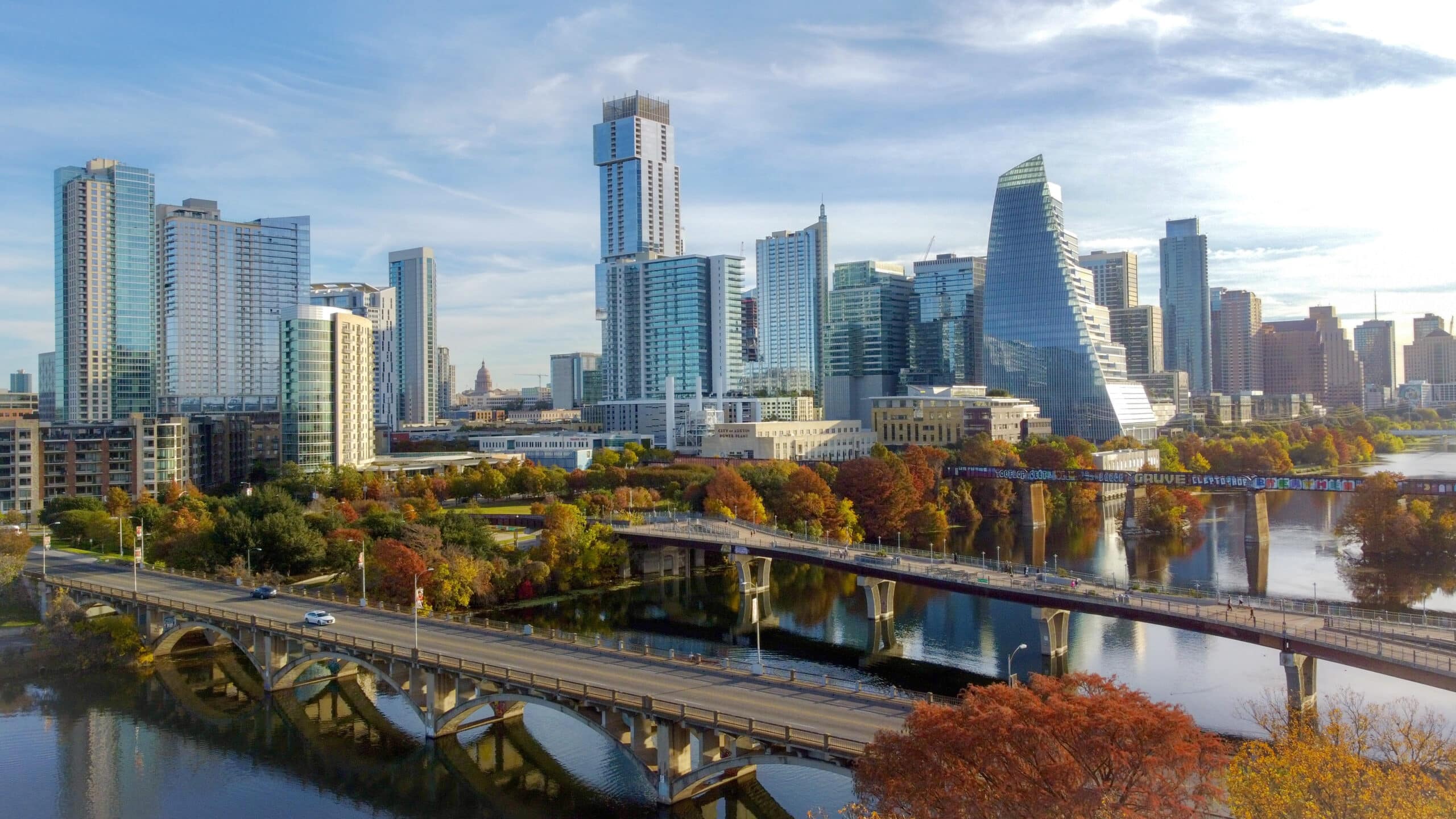
Central Texas is situated in the heart of the Lone Star State and has some of the state's more temperate areas. You’ll find miles of lakes, gentle hills, and green landscapes, as well as the city of Austin, another tech mecca.
East Texas is known for its Pineywoods region, characterized by thick forests of — you guessed it — mostly pines and other conifers. Due to its proximity to Louisiana and Arkansas, the region has close ties with Southern heritage and a focus on traditional living. Its largest city is Tyler, with a population of around 112,000.
South Texas encompasses the borderlands that run parallel to Mexico. The culture of this area, and that of the major urban center of San Antonio, is a melting pot of American and Mexican influences. It’s diverse and engaging and boasts historic attractions like the Alamo.
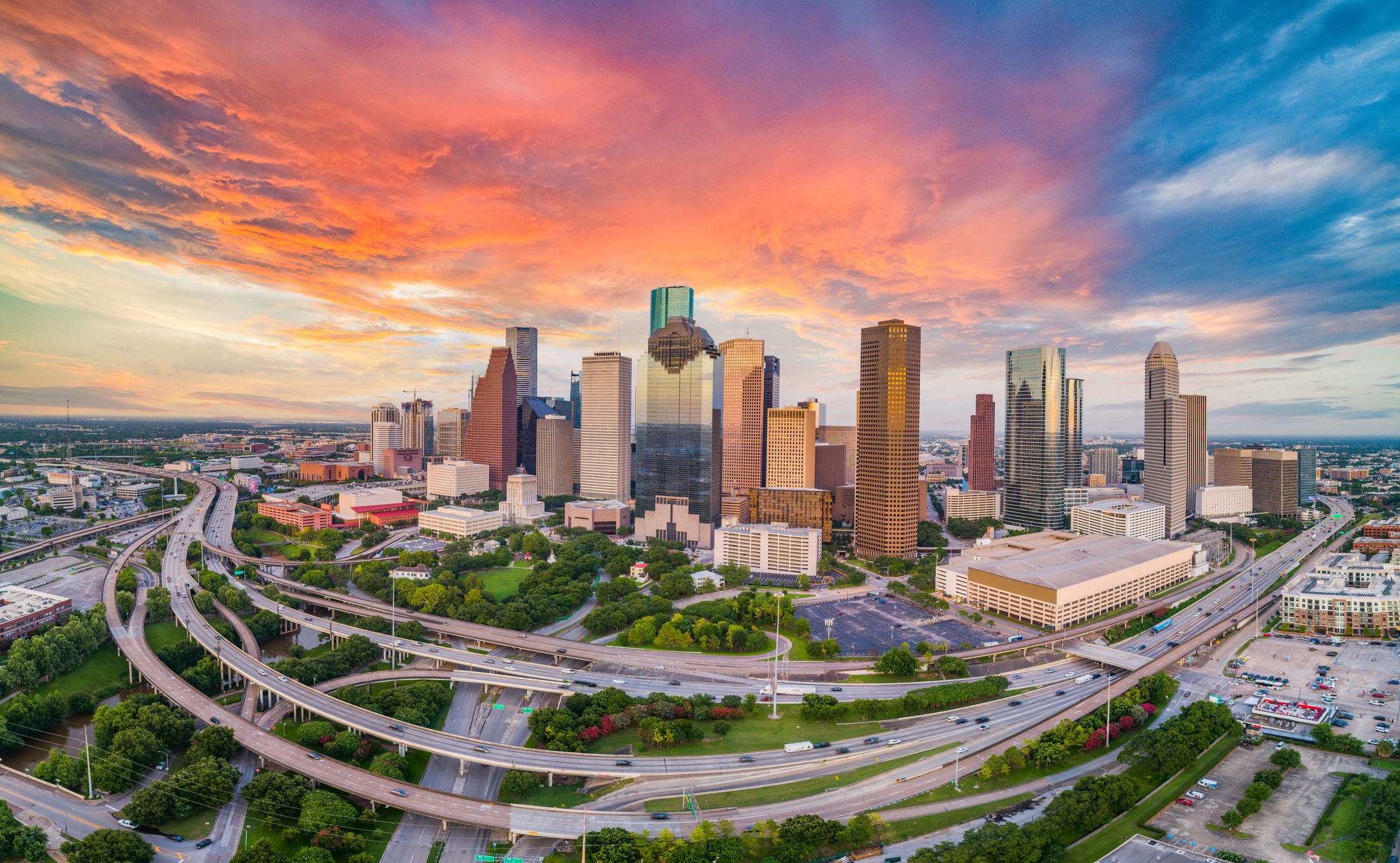
The Upper Gulf Coast hugs the Gulf of Mexico and sports some of the prettiest beaches in the American South. It’s also home to a growing energy sector that leads the nation in the production of crude oil and natural gas. This is unfortunately also the region of Texas most prone to hurricanes. Its largest city is Houston.
2) Con: Everything in Texas is far apart
As the second biggest state in the country, Texas is a traveler’s paradise … if you like stretches of long and lonesome highway. Dallas, for example, is only 30 minutes from Fort Worth, but roughly three full hours from “nearby” Houston, Austin, or San Antonio. And if you drive through the metro areas, you can expect to hit some pretty heavy traffic congestion.
Adding to the challenges of travel in the state is that Central and West Texas are incredibly sparsely populated, with long stretches of uninhabited space. These are the kinds of places where you’d better watch your gas gauge, because it can be 150 miles between fill-ups.
Finally, there are the toll roads. Texas doesn’t have the most toll roads in the country, but it has a lot. If you plan on taking in all that the state has to offer, you’ll probably want to buy a toll tag.
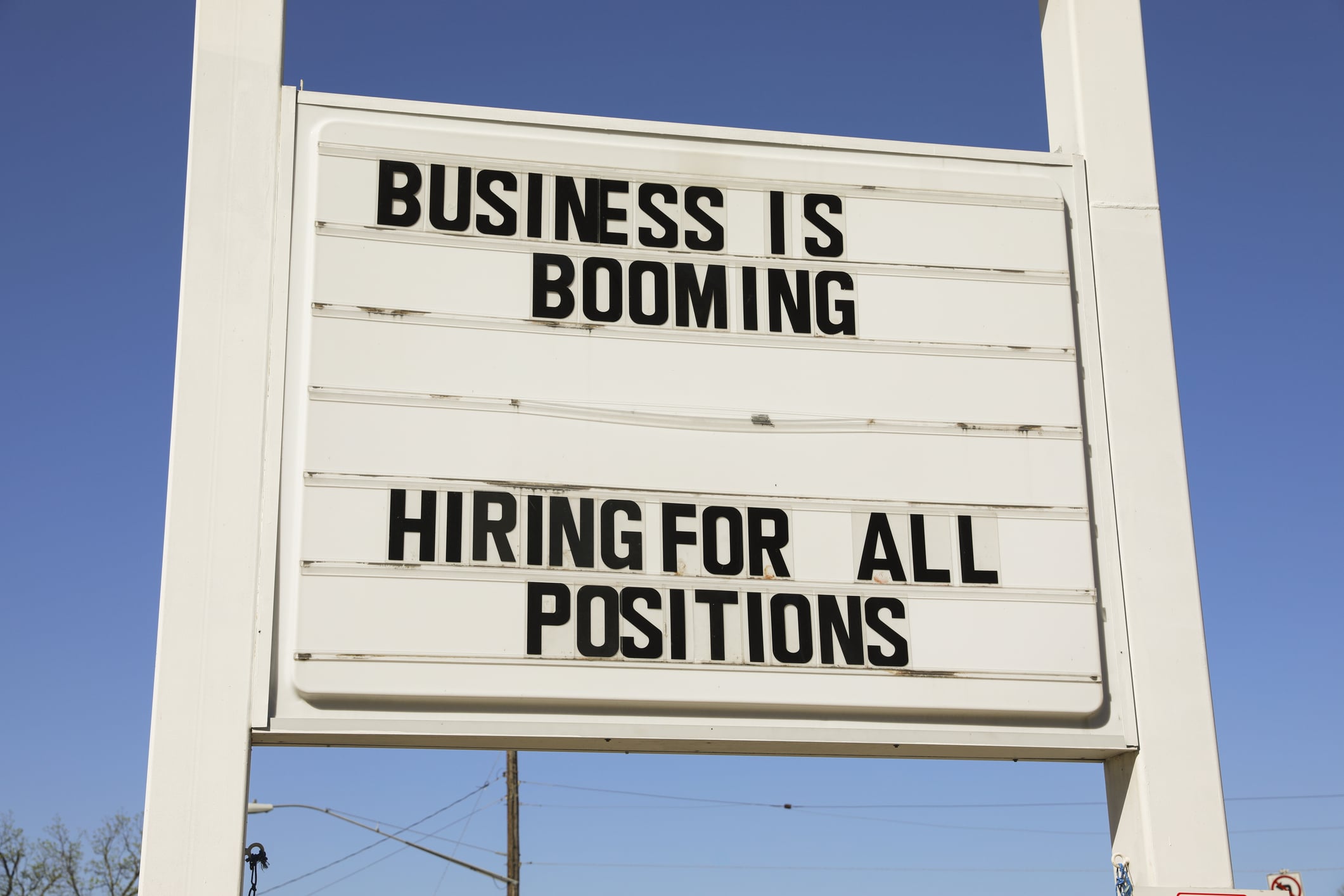
3) Pro: The Texas job market is one of the strongest in the nation
If you’re looking for a place to build a career, then chances are Texas is a good fit.
According to the Texas Workforce Commission, the total number of non-agricultural jobs grew by around 200,000 in 2025. Some of the top growth industries in the state included leisure and hospitality, education, and construction.
4) Con: Texas allergy season is no joke
Some places in Texas are a snow globe of dust, pollen, and tree allergens. According to the Allergy and Asthma Foundation of America, Dallas was ranked second in the United States for the highest number and intensity of allergens.
Five other Texas cities (Houston, McAllen, San Antonio, El Paso, and Austin) all ranked in the top 100.
5) Pro: Texas cities are some of the most affordable in the country
The average cost of living in Texas — even in the larger cities — is significantly lower than many similar places in the U.S.
While housing prices have increased in Texas in recent years, the market has steadied, and supply has started to outpace demand, which is great news for anyone looking to buy a home.
To give you a better idea of what to expect, here’s the cost of living in Texas and some of its big cities compared to other parts of the country:
Cost of Living in Texas vs. Other States
Cost of living in Colorado vs. Texas: The cost of living in Colorado is up to 12% higher than Texas, mostly due to high housing costs.
Cost of living in Florida vs. Texas: The cost of living in Florida is up to 23% higher, particularly if moving from a highly desirable place like Miami.
Cost of living in California vs. Texas: California’s cost of living is up to a whopping 63% higher than Texas, when taking into account things like healthcare, housing, and transportation.
Cost of Living in Texas Cities
Cost of living in Dallas: The median salary in Dallas is $42,259 and the median home price is $473,324.
Cost of living in Austin: The median salary in Austin is $51,596 and the median home price is $504,054.
Cost of living in Houston: The median salary in Houston is $44,124 and the median home price is $425,150.
Cost of living in San Antonio: The median salary in San Antonio is $52,887 and the median home price is $248,761.
Ready to make the move to Texas? Get a fast, free quote from Colonial. |
6) Con: The Department of Public Safety and the Department of Motor Vehicles are not the same
If you’ve made an interstate move before, you’re probably familiar with the process of getting a new driver’s license. You go to the DMV, sit for an hour, and hope you have the right paperwork to get your ID the first time around.
Not in Texas.
While the DMV handles other aspects of car ownership, including registration and vehicle inspection, the Department of Public Safety, an entirely separate entity, issues licenses in Texas. According to locals, the process is notoriously difficult — not just to sit through, but to get an appointment scheduled in the first place.
7) Pro: Texas is full of food, culture, and history
Living in Texas can give you the chance to experience the best of both worlds — American heritage and Mexican influence — through its myriad museums, monuments, restaurants, and cultural traditions. Here are just a few to check out.
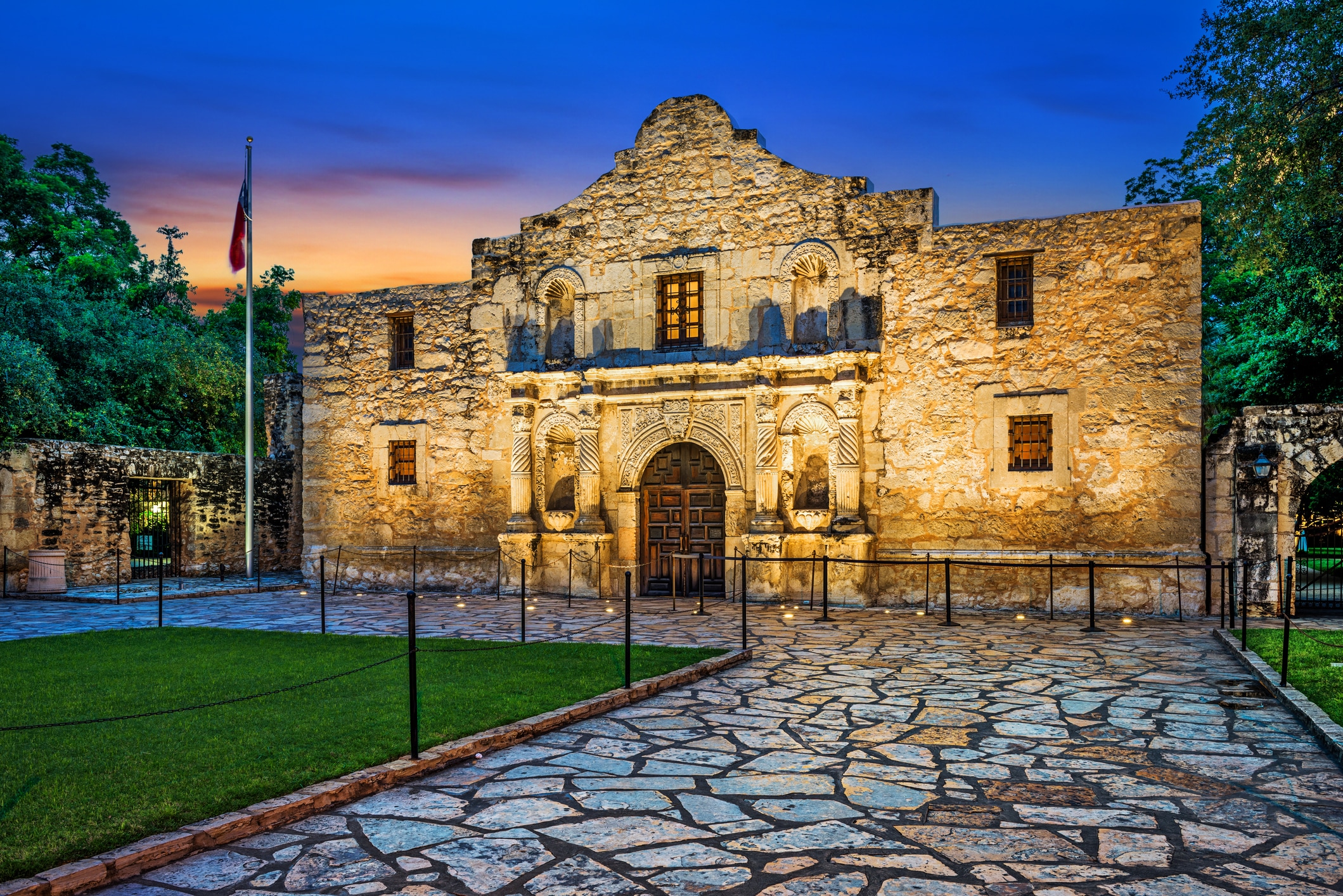
A must-see historical landmark is the Alamo in San Antonio. The location of a brave last stand, the mission now serves as a museum of the War of Texas Independence.
Travelers in West Texas can camp in Big Bend National Park, taking in some of the most pristine natural landscapes and the darkest night skies in the United States — perfect for stargazing.
For authentic Mexican and Tex-Mex food, try Mi Tierra Cafe y Panaderia in San Antonio, Xochi in Houston, or one of Torchy’s Tacos throughout the state.
8) Con: Texas faces power grid struggles and energy costs
The Texas power grid is infamously independent. And because the state operates its own system, it’s more vulnerable during extreme weather. The 2021 winter storm, for instance, exposed just how fragile that setup can be, leaving millions without electricity for days.
Electric bills also tend to be higher in summer, especially in newer, fast-growing suburbs where demand often exceeds supply. For many living in Texas, a reliable backup generator or solar panels have become a practical safety investment, rather than a luxury.
9) Pro: There is no state income tax in Texas
One of the biggest financial benefits of living in Texas? No state income tax. Residents keep a larger portion of their paycheck compared to those in states like California or New York, which means middle-class families can save thousands annually.
This tax policy has also made moving to Texas more appealing to remote workers and business owners who want to maximize their earnings. Combined with relatively affordable housing in many areas, it’s easy to see why so many people view Texas as a smart financial move.
10) Con: Moving to Texas will require budgeting for higher property taxes
Texas makes up for its lack of income tax with some of the highest property taxes in the nation. The statewide average effective rate sits around 1.36%, compared to the U.S. national average of roughly 0.90%, according to the Tax Foundation. That difference adds up quickly, particularly in areas with rising home values like Austin and Dallas.
If you plan to live in Texas long-term, budget for these expenses. Don’t make the mistake of assuming that because there’s no state income tax, your tax bill is guaranteed to be lower.
11) Pro: Moving to Texas is a great choice if you’re raising a family
If you’re moving to Texas with kids, you’ll find plenty of family-friendly communities with strong schools, spacious homes, and active local programs in Texas. Suburbs like Cisco Ranch, Coppell, and The Woodlands consistently rank among the best places to live for families thanks to well-funded schools and community safety.
Parks, youth sports, and weekend events are woven into everyday life — and unlike many states, outdoor fun is possible nearly year-round. It also doesn’t hurt that Texans are known for their trademark friendliness.
12) Con: The Texan climate is full of extremes
For all its sunshine, Texas weather can be unpredictable and intense. Summers regularly top 100°F, especially in Central and North Texas, while coastal regions face the annual risk of hurricanes and flooding. In the Panhandle and North Texas, occasional winter ice storms can also paralyze roads and power lines for days.
If you’re moving to Texas, ensure you research weather patterns in the specific region you plan to settle down in so you can be adequately prepared for any extreme conditions.
13) Pro: Outdoor adventure is never far away
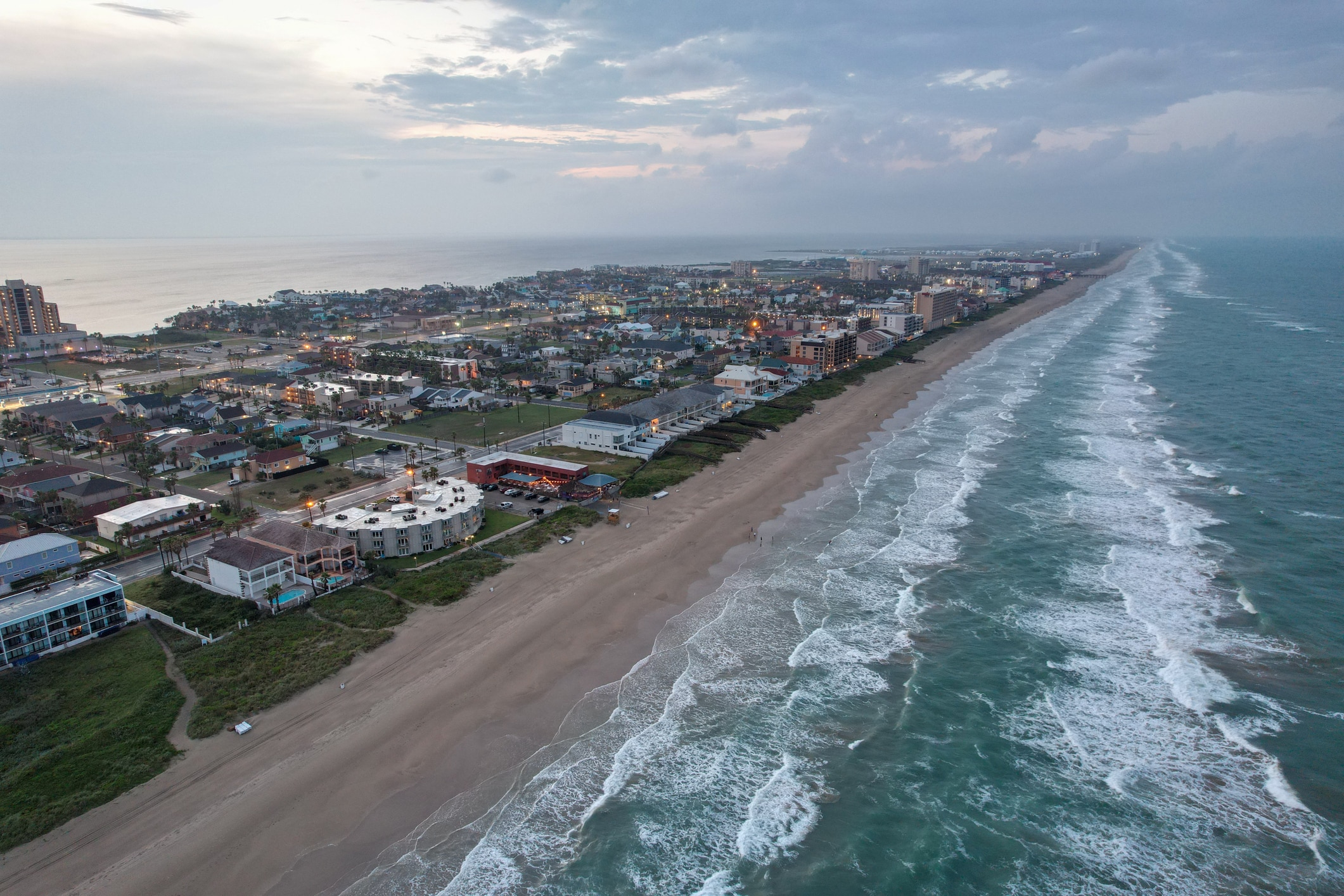
Living in Texas comes with a surprising range of outdoor escapes. The Hill Country offers wineries, swimming holes, and hiking trails. Farther west, Big Bend National Park delivers desert canyons and star-filled skies. And along the Gulf Coast, beach towns like Galveston and South Padre Island promise fishing, boating, and warm sand almost any time of year.
Whether you’re into kayaking, cycling, or camping, there’s always somewhere new to explore.
Frequently Asked Questions About Moving to Texas
What salary do you need to live in Texas?
According to one estimate, a single person can comfortably live in many Texas cities on an annual salary of $75,000, while a family of four would need to make $175,000 or more.
What is a drawback of living in Texas?
Like anywhere else in the world, there are both pros and cons to living in Texas. Some don’t enjoy the weather extremes — like triple-digit temps and ice storms. Others who aren’t keen on driving will have a hard time with the state’s spread-out cities and seemingly never-ending highways.
How easy is it to find a job in Texas?
It’s a bit easier to find work in Texas than elsewhere. The labor force is still growing, and the unemployment rate is slightly lower than the national average. If you want to work in tech, manufacturing, or farm equipment, Texas is an especially great place to call home.
Is it a good idea to live in Texas?
Those looking to ride the strong Texas job market and rising property values will find living in Texas a no-brainer.
While moving to Texas isn’t the right choice for everyone, many find it appealing for its warm weather, low cost of living, amazing food, and lively, diverse culture.
Texas Moving Options
Relocating to Texas means deciding how much of the move you want to handle on your own. Your budget, time, and comfort with heavy lifting will all play a role in determining which option is the best fit for you.
Here are the three common options.
Rental Truck
A rental truck is the most hands-on and budget-friendly option. You’ll handle all the packing, loading, driving, and unloading yourself. That saves money upfront, but adds time, labor, and stress — especially if you’re moving long-distance.
Moving Container
A moving container offers a balance between convenience and cost. The company you choose will drop off a large portable container at your home, you’ll fill it at your own pace, then they will transport it to your new address in Texas. It’s a good middle ground for people who want flexibility and need temporary storage as part of their move, but they don’t want to drive a truck themselves.
Full-Service Movers
Full-service movers handle everything, including loading, transportation, and unloading once you arrive at your new home. It’s the most efficient moving option — ideal for long-distance moves or families relocating for work. These teams have the equipment, experience, and logistical know-how to make moving to Texas smoother and faster while reducing the risk of damage to your belongings.
The Cost of Moving to Texas
Texas draws people from across the country looking for more space, lower costs, and nice weather. But before packing up, you’ll need to know what a move to Texas really costs.
Below are some of the most common long-distance routes for people moving to Texas, along with what makes each one appealing and average moving costs.
Moving to Texas from California
Over the past several years, California has been one of the top states sending new residents to Texas. Folks are looking for more affordable housing, lower taxes, and job opportunities in tech, energy, and healthcare.
Moving from Los Angeles to Houston
Like LA, Houston is a lively, sprawling city with a great arts scene. But living in Houston is a whole lot cheaper.
The distance from Los Angeles to Houston is roughly 1,550 miles — a true cross-country move. You can expect to pay around $4,500–$5,500 for full-service movers for a two-bedroom home.
Read More: Best Neighborhoods in Houston
Moving from San Francisco to Austin
Austin’s tech scene and funky, creative energy draw in many Bay Area professionals. The trip from San Francisco to Austin covers about 1,750 miles, and a full-service move typically costs between $4,500–$5,500 for a two-bedroom home.
Many movers find that even after factoring in moving expenses, the long-term savings after moving to Austin due to Texas’s lower cost of living make the relocation worthwhile.
Read More: Best Neighborhoods in Austin
Moving to Texas from Florida
Floridians often head to Texas for new job opportunities and the promise of a slightly lower cost of living while still retaining a sunny climate and zero state income tax.
Moving from Tampa to Dallas
Moving to Dallas is a popular choice for professionals seeking a strong job market and family-friendly suburbs. The move from Tampa to Dallas spans roughly 1,000 miles, with costs for a full-service relocation averaging about $4,000–$5,000 for a two-bedroom home.
Read More: Best Neighborhoods in Dallas
Moving from Miami to San Antonio
This route covers about 1,300 miles and appeals to those looking for a slower pace of life and more affordable housing. San Antonio’s historic charm and lower home prices make it a favorite for retirees and young families alike. Expect to spend around $4,000–$5,000 for professional movers for a two-bedroom home.
Read More: San Antonio Neighborhoods
Texas Is a Big State with Big Potential for Your Next Move
Texas has become renowned for its strong sense of community and forward-thinking economy — a perfect combination for those who want to establish roots in a unique new state. For those who might not enjoy long car rides or unpredictable weather, Texas might prove more of a challenge. But it can also be an exciting journey with nearly limitless ways to enjoy the local culture and history.
When you’re ready to kickstart your moving journey, let Colonial Van Lines step in. Our team of highly trained moving professionals can help you handle the logistics, packing, loading, and driving, so you can focus on starting your new life in Texas. Get a free quote today.