

Americans are one of the most mobile populations on the planet. The average American will move around 11 times over the course of their lifetime. This means that every year many of us are on the go — about eight percent of the population, or 28 million people.
A new job, a growing family, better housing, or a better quality of life are just a few of the many reasons for moving. Understanding the reasons why people move not only provides valuable insight into the broader micro- and macro-trends shaping communities nationwide, but it can also help individuals make more informed decisions about where and how they want to live.
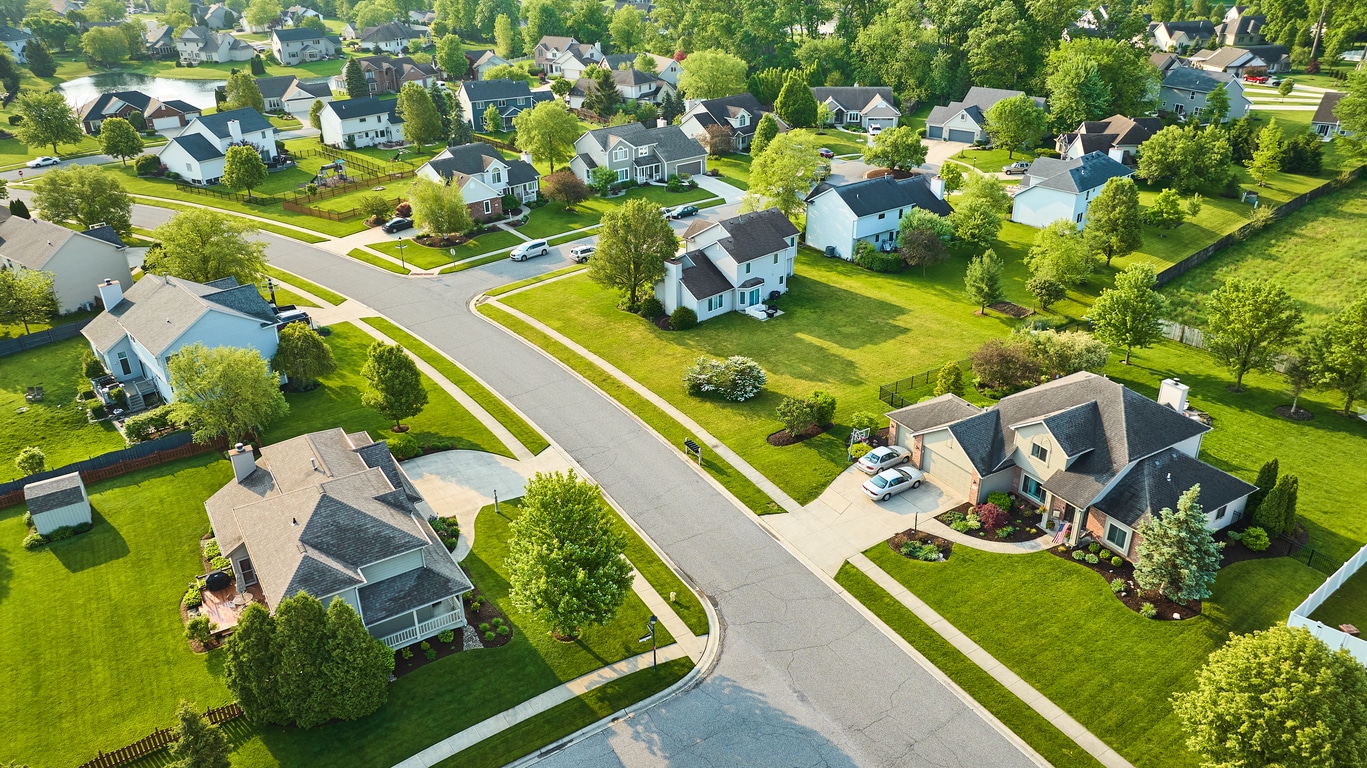
Why Do People Move? 4 Top Reasons for Moving
Why do people usually move? According to a recent Census study, the top reason why people move is for a housing-related reason, such as wanting to own instead of rent or relocating to a neighborhood with better schools. But there are many more reasons for moving.
Here are the top categories of reasons for moving:
Housing-Related Reasons: 41.6%
Family-Related Reasons: 26.5%
Employment-Related Reasons: 16.1%
Other Reasons: 13.9%
These reasons for moving reflect the diverse array of life events and priorities driving relocation decisions every year. To get a deeper understanding of what drives people to move, we’ll look at the different reasons within each category.
Housing-Related Reasons for Moving
Nearly 42% of all moves are driven by housing-related factors, which makes this the most common reason why people pack up their belongings and start over in a new place. From upgrading living spaces to seeking more affordable homes, housing-related reasons for moving often reflect bigger lifestyle changes and shifts in financial priorities.
New, better, or larger homes
As you might expect, the desire for bigger and better homes tops the list of housing-related reasons people move. Put more broadly, people in this category are moving to improve their living conditions —whether it’s a larger space, newer construction, or upgraded amenities.
Why not just remodel? It’s generally cheaper and more straightforward to move rather than upgrade an existing space, especially with construction costs on the rise.
This trend tends to follow in lockstep with life-stage shifts, such as a growing family or a sudden improvement in finances. While purchasing a bigger home is a popular reason for moving, recent data suggest a decline in such moves compared to the pandemic-era housing boom of 2020.
Own rather than rent
Simply put, buying a home is part of living the American dream. Home ownership equates to long-term security, thanks in part to the ability to build equity while simultaneously creating stability for the homeowner and their family. It’s often a sound decision for families, as long as it's rooted in careful planning and financial readiness.
Cheaper housing options
One of the reasons people move is to find a more affordable home. If you're one to casually browse local home listings, you've probably noticed housing costs constantly on the rise.
Finding cheaper housing, whether it means moving to a different neighborhood or relocating to a new city, helps keep budgets balanced without the need to sacrifice quality of life.
Better, safer neighborhood
Safety remains a top priority when choosing where to live, especially for parents of young children. As a result, families who can afford it tend to relocate to neighborhoods that feel safer, cleaner, and more supportive of their family’s lifestyle.
Even when balancing physical safety and a sense of community, it's possible to find a home that’s both family-friendly and affordable.
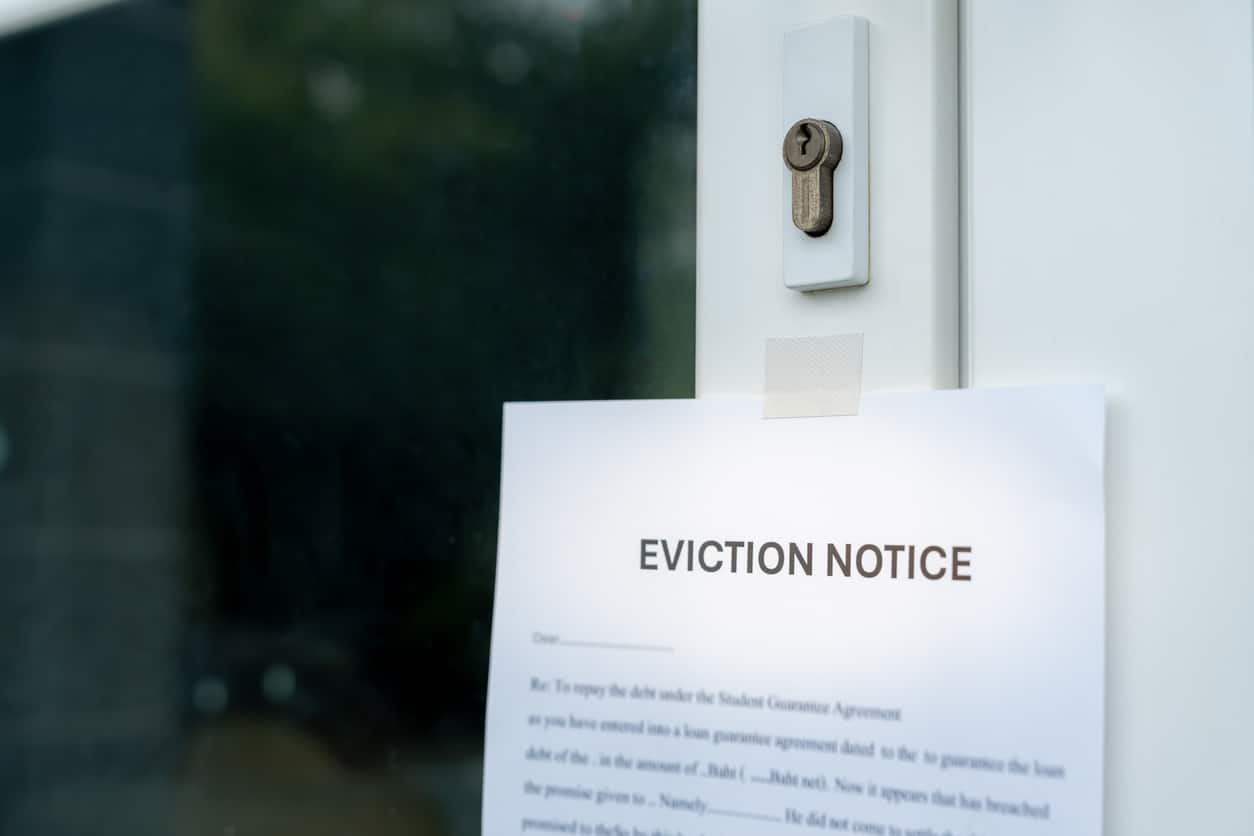
Foreclosure or eviction
Sometimes, economic hardship forces relocations due to foreclosure or eviction. These stressful situations can disrupt financial stability and emotional well-being but are, unfortunately, part of the reality facing a number of people who are moving.
Other housing-related reasons for moving
In addition to the reasons listed above, issues such as maintenance problems, landlord disputes, or unfavorable lease terms can be a motivating factor in why people move. Looking for a new home in these situations is typically a practical response to evolving circumstances.

Family-Related Reasons for Moving
The changing dynamics of a family play a significant role in slightly more than a quarter of all moves. Landmark events such as marriage, parenthood, or caregiving for an elderly or sick parent are among the most common reasons for this type of move.
Establishing independence
Leaving shared living arrangements marks a key milestone into adulthood. For some that might mean starting out on your own after time spent with a roommate to help share expenses; for others it could mean leaving the family home.
Whether it’s for a new career or just to gain some independence, moving out of a shared living situation allows individuals to create their own space, establish personal routines, and have complete control over financial and housing-related decisions.
Change in marital status
Housing needs evolve alongside relationships, often reflecting major life adjustments. For this reason, many people list marriage or divorce as a reason to move. When starting a new life together, many couples will move into a new home, possibly more space for a growing family. On the other hand, divorce often prompts a move in order for the family home to be divided or for a fresh start with more affordable living arrangements
Other family-related reasons
Other family-related reasons might include a number of situations. For new parents with young children, finding a home with more bedrooms or a better school district could be a reason to move. As parents become empty-nesters, downsizing comes into play. And then there is moving to care for aging parents, or moving to be within closer proximity to grandchildren. All of these and more fall into the family-related reasons for moving.

Employment-Related Reasons for Moving
Career plans and the demands of the workplace often dictate where people choose to live. With a little over 16% of moves tied to employment opportunities, it’s clear that jobs have a significant impact on mobility.
Given the central role that work plays in people's lives, it's worth exploring what factors contribute to this reason for moving.
New job or job transfer
In some corporations and companies, career advancement often requires relocating to a new city, or even a different country. Though less common now as remote work has gained traction, corporate transfers and fresh job prospects still drive many employment-related moves.
A shorter commute
One of the reasons people choose to move is to be closer to work. Reducing commute times not only lowers transportation expenses, but it can also add time to your day, boosting that all-important work-life balance. A shorter commute to work can also reduce the stress that comes from navigating a sea of bumpers stalled in afternoon traffic.
To find a new job
A recent survey of people who moved for job-related reasons found that 60% moved to a stronger job market. When local job markets falter, many people will seek out regions with stronger economies, sometimes even moving out of state. Economic mobility is a powerful motivator when it comes to migration patterns.
Moving after retirement
Many times after a long and rewarding career, people choose to move in their retirement. Whether it’s to downsize to a smaller home, live in a more affordable city, or search for a better climate, retirement is a common reason for moving, and many people end up in one of the best cities to retire to.
While still somewhat employment related, relocation in retirement is more of a lifestyle choice rather than a career-driven move.

Other Reasons for Moving
Not every move fits into neat categories. Around 14% of moves are attributed to reasons other than those covered above. From personal aspirations to spontaneous decisions, there are quite a few examples of some of these other reasons to move.
Romantic relationships
You don’t have to be married to want to create a life together with your significant other. Moving in with a loved one is often a reason for people to relocate. Aside from the romantic aspect, living with an unmarried partner brings other benefits, including splitting expenses.
Attending college
As college enrollment grows faster than dorms can support student populations, many students move directly from their parents’ home into an apartment or house for their college years. Graduate students often relocate to a new city or state to continue their education.
Health reasons
Better healthcare access or the prospect of living in a healthier environment sometimes motivates relocation. Chronic illnesses or mobility challenges often factor into these decisions. For example, people with chronic illnesses might move to be closer to their doctor, and those with mobility challenges might look for a place that’s easy to navigate.
Change of climate
Escaping harsh climates for milder weather is an often-cited reason for moving. For many years people have been migrating to southern states to escape the snow and ice of winters in the North. But now migration patterns are changing — with more people escaping the growing heat to move to a milder climate. As climate change continues to affect the nation’s weather patterns, moving because of weather will probably only become more common.
Natural disasters
Related to weather-related reasons for moving, natural disasters caused by hurricanes, wildfires, or floods often force temporary or permanent relocations due to safety concerns, property damage, or rising insurance costs.
Should You Move? Making the Right Choice
Deciding whether to relocate is one of the most important decisions one can make. Even if you have a clear reason to move, there are still pros and cons to consider.
Factors that come into play include:
Cost of living
Job opportunities
Proximity to family
Climate suitability
Pet-friendly environments
Housing costs
Overall quality of life
Now that you know more about why people move, ask yourself the following questions:
Will this move bring you closer to your goals?
Does the destination align with your values and needs?
Compare what you’ll gain to what you might be leaving behind. Keep in mind that emotional considerations, such as feeling safe and supported in your new community, are just as important as the practical aspects of housing affordability and quality schools.
Why Colonial Van Lines Is Great for Long-Distance Moves
Just as there are different reasons for moving, there are different types of moves. You might be moving from one side of town to the other to begin the adventure of homeownership, relocating to a neighboring state for a new job, or moving cross country for a sunnier climate.
If you’re embarking on a long-distance move, within your state or to another, Colonial Van Lines can help.
With over 50 years and 250,000 moves under our belts, Colonial Van Lines is one of the most experienced long-distance movers. Not only that, our rigorous training program at Colonial Van Lines University (CVLU) ensures each and every one of our movers undergoes intense, hands-on instruction at our Florida headquarters. These include the industry’s best practices in safety, specialty item handling, furniture disassembly and reassembly, strategic truck loading, and thorough clean-up. As a result, we achieve the highest standards in packing and moving services for our customers, which means less stress and less risk of damage.
We can also tailor our full service experience to fit your unique needs and give you peace of mind, whether you need packing or unpacking help or assistance with moving specialty items. When you hire Colonial Van Lines, you’re partnering with experts dedicated to making your transition easier.
Ready to Make your Move? Let Colonial Van Lines Help
No matter your reasons for moving, whether it’s a life change or a new career, a smooth transition is a great way to start your next chapter off on the right foot.
Download our moving checklist and get a free quote to get started.