
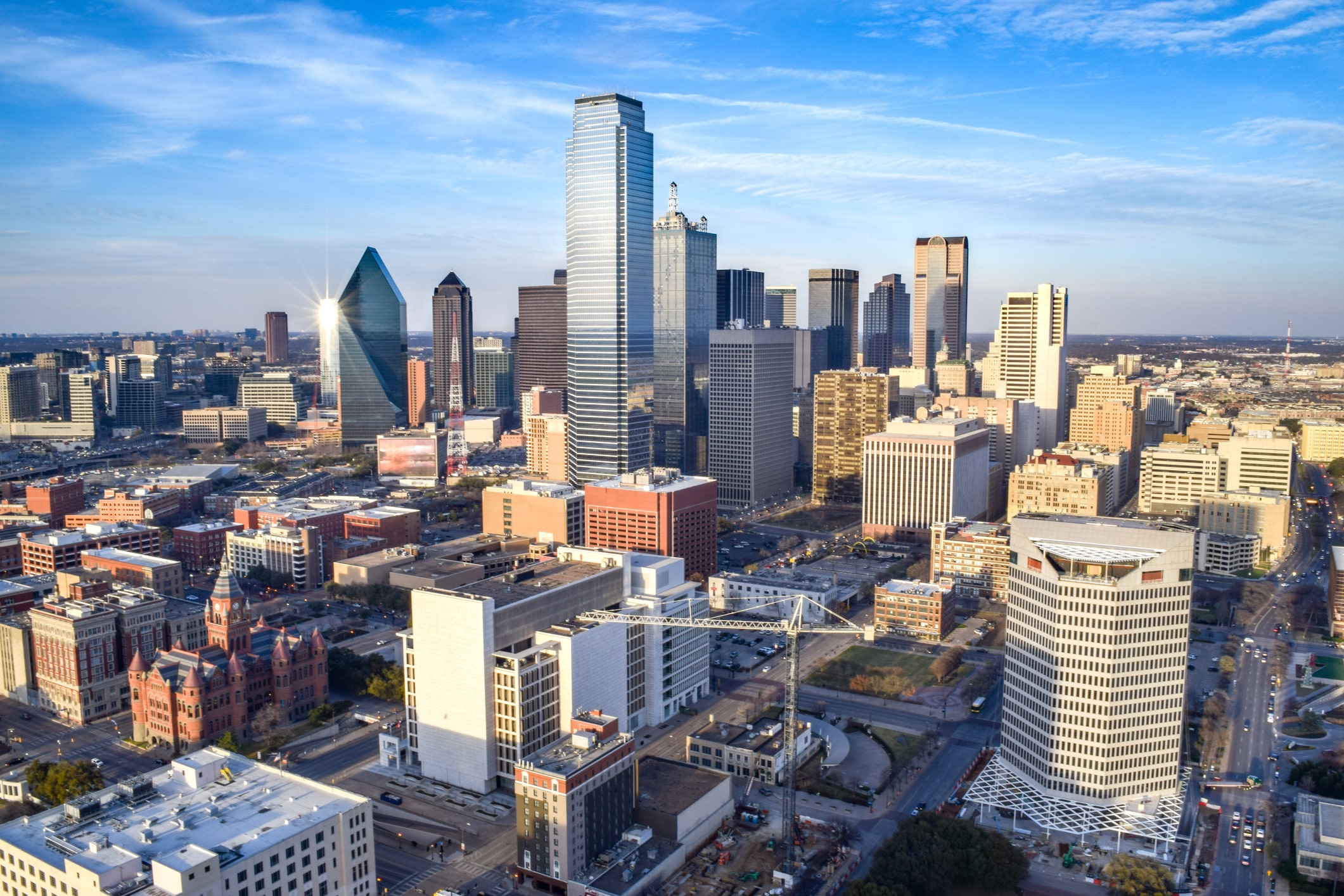
With over 1.3 million residents calling it home, Dallas, Texas, is the economic heart (or should we say, “star?”) of the Lone Star State. The so-called “Big D" offers both urban ambition and Southern hospitality with a mix of modern convenience and traditional Texan roots—from the towering skyscrapers downtown to the far-reaching scope of its iconic suburbs. But what’s it like actually living in Dallas? Is this Southwest hub an ideal choice for you?
Let’s explore what to know about moving to Dallas before you hit the road. We’ll cover the entire Dallas-Fort Worth Metroplex (DFW), with an emphasis on the cost of living in Dallas, job and housing markets, public transit options, weather and climate, recreation and entertainment, and more.
11 Facts to Know About Living in Dallas (Before Moving to Dallas)
What should you know about living in Dallas? Here are the essential facts to keep in mind before you embark on a long-distance move.
Need some extra help with logistics? Use our printable moving checklist to streamline your move to Dallas from start to finish. |
1. Moving to Dallas-Fort Worth means joining an enormous Metroplex
The Dallas-Fort Worth Metroplex, commonly known as DFW, is one of the largest metropolitan areas in the United States—both in terms of physical size and population density (hence, the “Big D.”) With over 8.1 million residents spanning across almost 9,000 square miles, DFW is larger than the entire state of New Jersey.
This region isn’t just expansive — it’s the fourth-largest metropolitan area in the U.S. (right behind New York, Los Angeles, and Chicago). The DFW Metroplex consists of 11 counties in North Texas, including its two namesake cities (Dallas and Fort Worth, of course), along with dozens of suburbs, small towns, and local neighborhoods.
2. Living in Dallas puts you in convenient proximity to other major cities
Dallas sits at a strategic location within the state of Texas, close to some of the Southwest’s most important hubs:
200 miles north of Austin
240 miles northwest of Houston
270 miles north of San Antonio
325 miles south of Oklahoma City
650 miles southeast of Albuquerque
Moving to Dallas will keep you close to the action of these five cities with urban convenience and entertainment in all directions.
3. The cost of living in Dallas varies based on where you settle down
Because of its sheer size, DFW encompasses several different communities with a range of food, transit, housing, utilities, and healthcare expenses. The cost of living in Dallas is 7% higher than the Texas state average and 2% higher than the national average.
To put this into context, a family of four will spend about $4,445 on basic living expenses (not including rent) each month, while a single person will spend about $1,230 each month.
With that said, one of the most notable perks of living in Dallas is the lack of a state income tax, which can save you thousands of dollars annually. Just keep in mind that Dallas’ property taxes are about 1.73% — slightly above the state average of 1.68%.
4.Dallas boasts a relatively affordable housing and rental market
The Dallas housing market has numerous options to choose from, whether you’re on the hunt for a high-rise condo or a suburban single-family home.
As of 2025, the median cost of a home in Dallas hovers around $304,350 — a 4.7% decrease from 2024 and cheaper than the national average of $363,932. In terms of how it compares to other Texas cities, buying a home in Dallas costs less than Austin but more than Fort Worth and Houston.
If you prefer to rent upon moving to Dallas, the average cost of an apartment is around $1,577 per month. That’s considerably below the national average of $1,750, but living in Fort Worth is even cheaper — an apartment here will only set you back $1,440 per month.
| Ready to make the move to Dallas? Get a fast, free quote from Colonial. |
5. The job market in the Dallas Metroplex is booming with opportunities
DFW has a strong, diverse job market, which is excellent news for professionals moving to Dallas. Recent estimates place the Dallas unemployment rate at 4.4% (just above the national average of 4.3%), but don’t let this throw you off. The Metroplex boasts nearly 4.3 million jobs as of summer 2025, so you’ll have no shortage of options to choose from.
Thanks to its enormous size, Dallas is home to numerous industries, too. Here are just a few thriving companies and sectors to keep on your radar:
Finance: Corporations like Goldman Sachs, JPMorgan Chase, and Charles Schwab all have large offices here. According to The Wall Street Journal, Dallas is one of the main financial hubs in Texas, with 111% growth over the past 20 years.
Technology: A robust tech sector has emerged in Dallas within recent years, with AT&T and Texas Instruments running major offices in the DFW Metro Area.
Healthcare: Dallas is also home to institutions such as UT Southwestern Medical Center and Baylor University Medical Center. This large network of hospitals, clinics, and research centers fuel thousands of healthcare jobs around the Metroplex.
Aviation: The Dallas Fort Worth Airport has created 634,000 jobs, and both American Airlines and Southwest Airlines have their headquarters in DFW.
Is $80,000 a good salary in Dallas? Living in Dallas on an annual salary of $80,000 can be done — but chances are, you’ll feel the strain. Ideally, a single person with no children will need to earn $95,930 to live comfortably in Texas, while a family of four will need $106,870. |
6. Transportation is easy in the DFW Metroplex — but beware of traffic
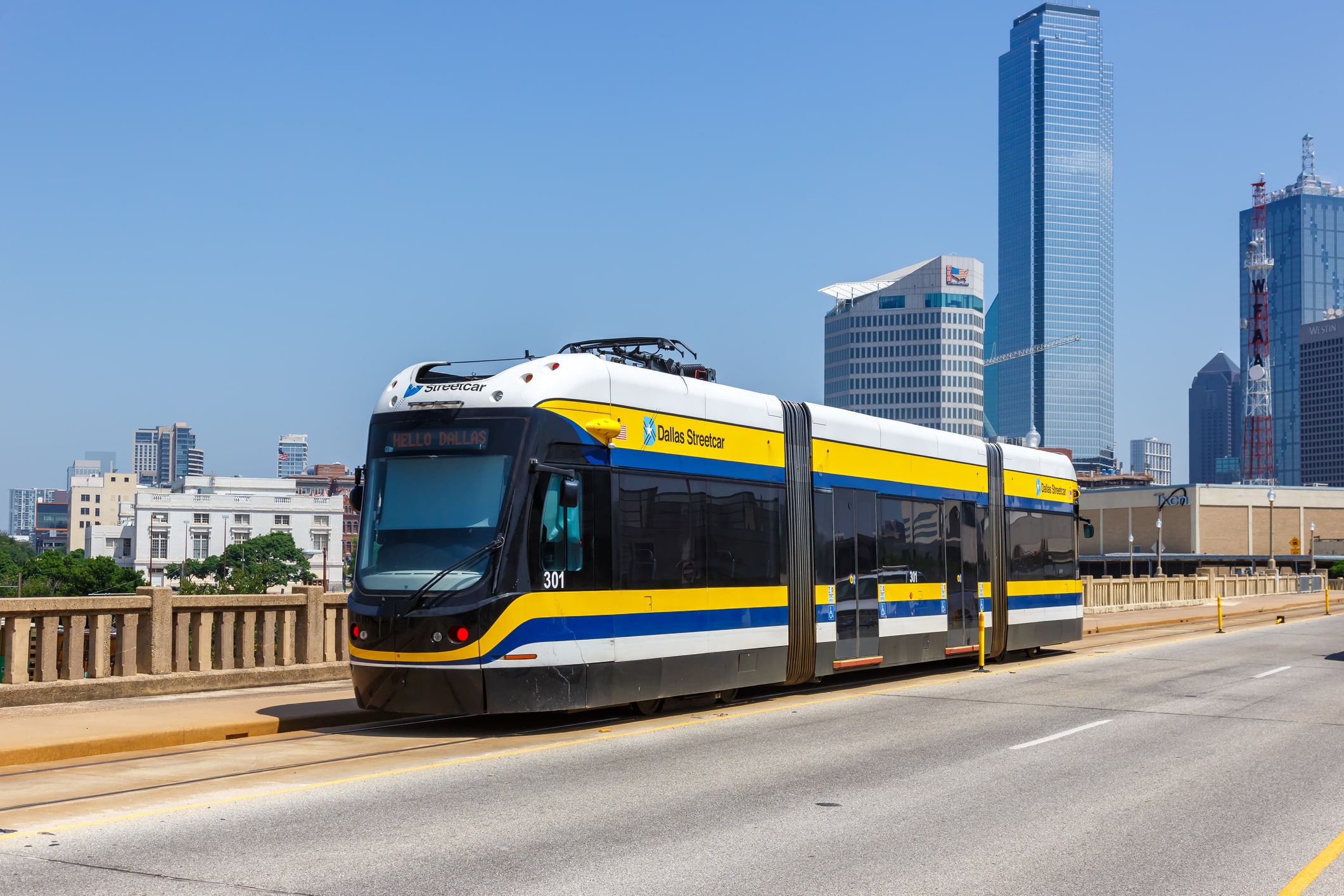
There are three primary modes of transportation to navigate around both Dallas and Fort Worth, including a convenient, accessible public transit system.
Public transportation
Living in Dallas makes it easy to access the Dallas Area Rapid Transit (DART) system, which consists of extensive bus and trolley routes. DART also offers a 93-mile light rail that connects Dallas to 65 stations across nine cities in Northern Texas.
Highways and Interstates
There’s no denying it—DFW has lots of traffic congestion. Of course, that’s common in most metropolitan areas, but if you plan on moving to Dallas, just be aware that you might spend 70 hours in rush hour traffic each year. With that said, the interstates aren’t hard to navigate, with I-30, I-20, and Highway 183 connecting Dallas to the Metroplex and beyond.
Airports
Dallas boasts two airports: Dallas–Fort Worth International, a major hub for international travel, and Love Field, which services domestic flights. Both airports earn high marks from travelers, with one recent poll ranking them among the top five airports nationwide.
7. Anyone living in Dallas will tell you the weather can be extreme
Dallas has a humid, subtropical climate, characterized by hot summers and relatively cool, mild winters. The average summer temperatures often reach 95–00 degrees, and while there isn’t a ton of annual rainfall, summer months are usually quite humid as a result of the city’s proximity to the Gulf Coast of Galveston.
This location also exposes Dallas to extreme weather conditions like severe thunderstorms or tornadoes in the spring and summer months. Fortunately, hurricanes from the Gulf hardly ever make their way this far inland.
8. Crime in Dallas is high — but some pockets are safer than others
All major urban areas have some amount of crime, and Dallas is no exception. The total crime rate here is 106% above the national average — about 4,702 crimes per 100,000 residents. It’s also worth noting, however, that in 2024, Dallas also experienced its lowest violent crime rate since 2020.
As with anywhere else, most crimes occur within small, concentrated areas. Here are the safest parts of Dallas, along with a few areas to be more careful in.
Safest neighborhoods in Dallas
University Park
West End Historic District
Highland Park
Dallas neighborhoods with the most crime
Government District
Farmers Market District
South Boulevard
9. The schools and universities in Dallas-Fort Worth are a mixed bag
Education is a complex subject in Dallas. While many affluent neighborhoods have excellent public schools, academic quality is average in the Metroplex as a whole. Before moving to Dallas with kids, you’ll want to research the school system first.
A recent survey ranked DFW as the 72nd most educated area of the country out of 150 regions. However, this does not mean you won’t have solid options. Below are some of the top-ranked schools and universities in the Dallas-Fort Worth Metroplex to consider:
Best primary schools in Dallas
The School for the Talented and Gifted
The School of Science and Engineering
Highland Park School
Plano West Schools
Best universities in Dallas
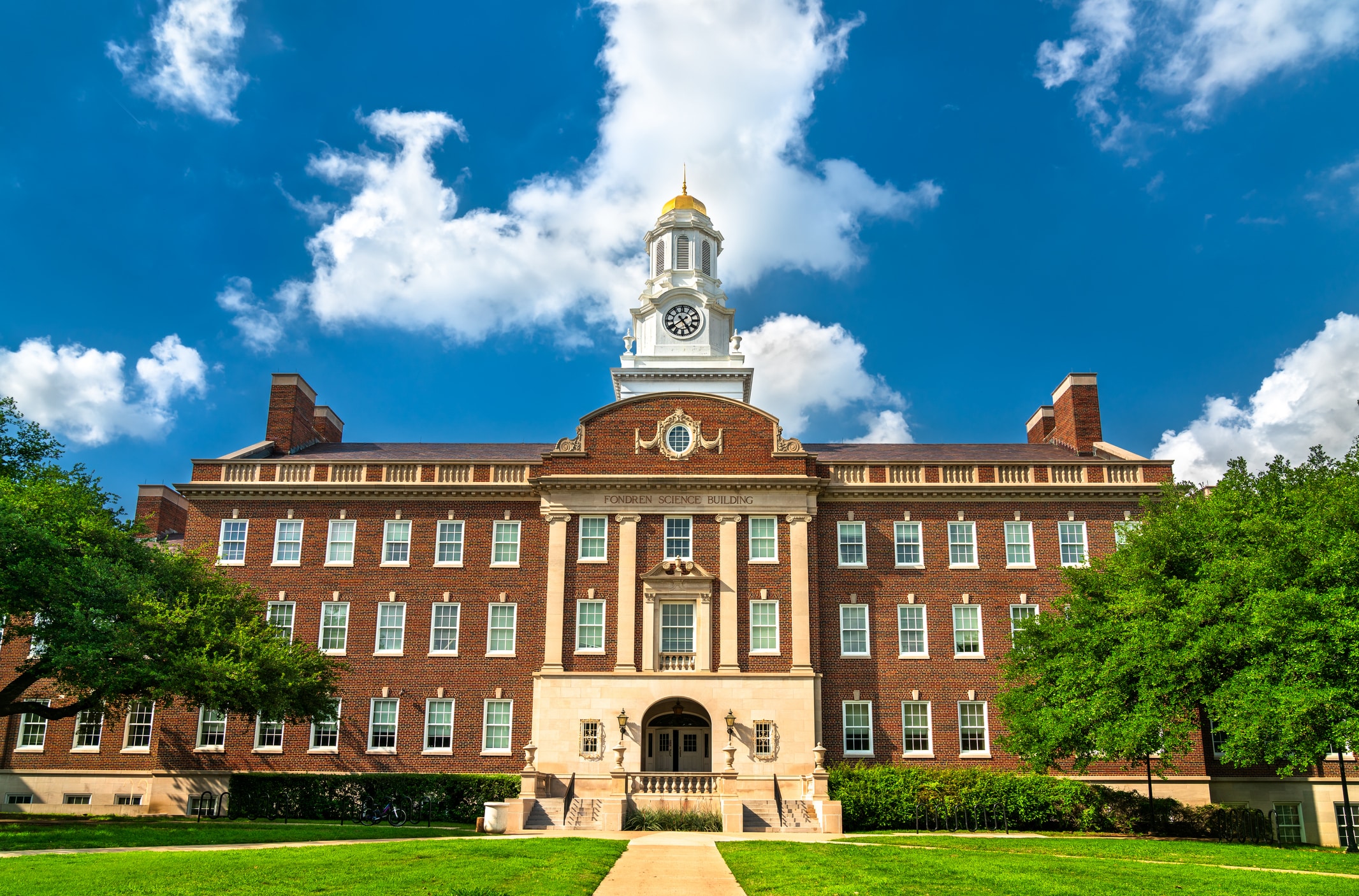
Southern Methodist University
University of Texas at Dallas
Dallas College
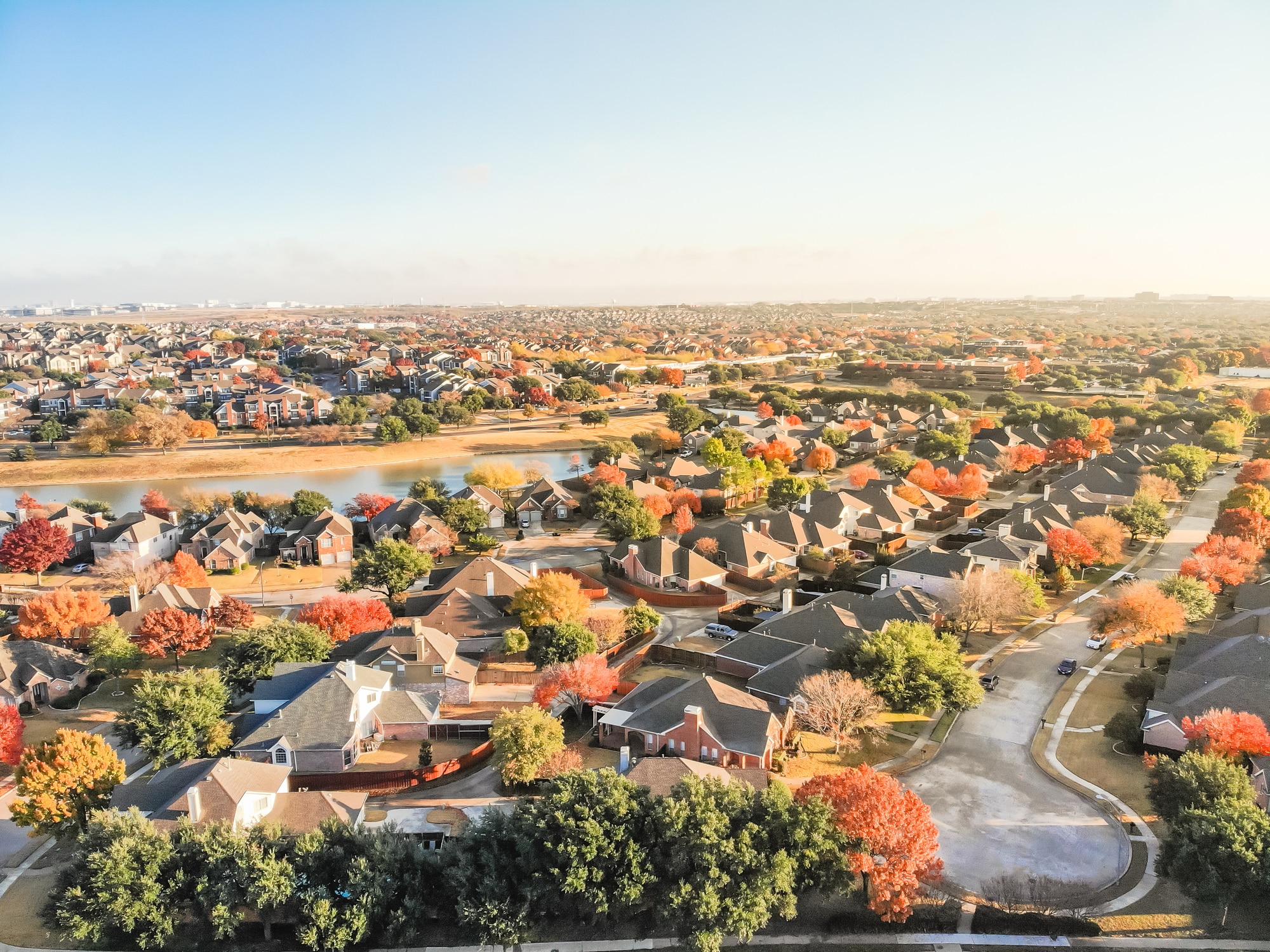
10. Dallas has several neighborhoods and suburbs to choose from
No matter which vibe you’re looking for, there is best neighborhood in Dallas offer something for everyone needs. To help narrow your search, here are our picks for the best places to live in Dallas:
University Park: This affluent area is one of the safest neighborhoods in Dallas, making it a top choice for families, professionals, and retirees.
Uptown Dallas: This walkable, culture-rich neighborhood attracts students and young adults who want the experience of a cool, urban environment.
Prestonwood: This neighborhood offers affordable homes and close proximity to the downtown core. Families also favor it due to the quality schools.
If you’re moving to Dallas but want to put down roots further out in the suburbs, there are a couple top options to consider in the larger Metroplex as well:
Plano: This peaceful enclave about 20 minutes outside the city offers a comfortable balance between urban accessibility and suburban tranquility.
Southlake: This upscale community is known for its highly rated public schools, low crime rates, outdoor recreation, and self-contained retail centers.
11. The vibrant sports culture is a main perk of living in Dallas
If you’re into sports, moving to Dallas just makes sense. The “Big D” has a team from almost every professional league in the U.S. Whether you’re a casual watcher or a hardcore fanatic, here’s where to cheer on the city’s most revered sports teams.
Dallas Cowboys: “America’s Team” plays football at AT&T Stadium in Arlington.
Dallas Mavericks: Fans flock to the American Airlines Center for basketball games.
Texas Rangers: This baseball team is located near Arlington at the Globe Life Field.
Dallas Stars: Fans root for this hockey team, which has been competitive in the NHL playoffs for 40 years, at the American Airlines Center.
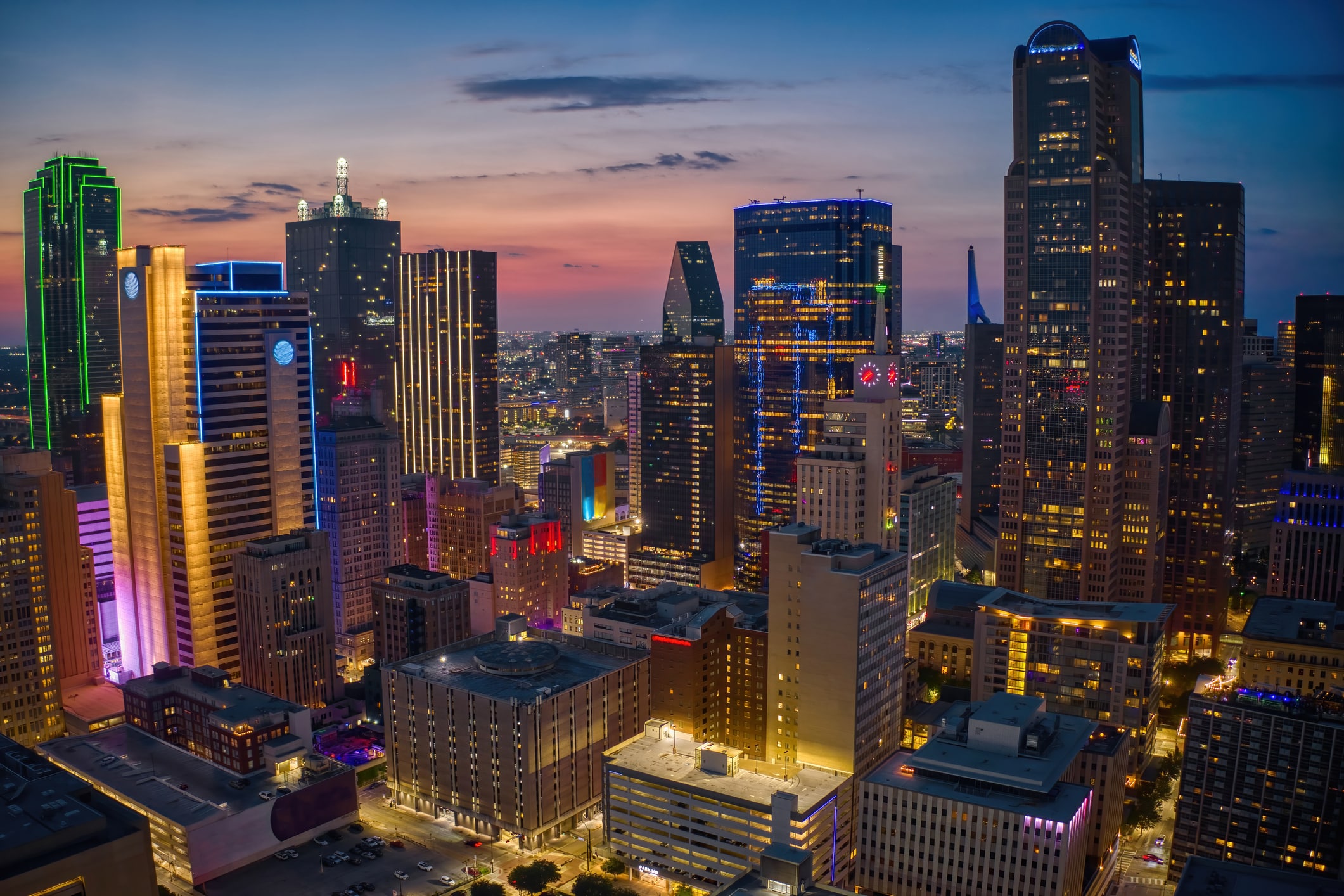
Is Dallas, TX, a good place to live? If you’re in the market for a blend of urban convenience, affordable housing, robust job opportunities, a vibrant culture and entertainment scene, and close proximity to other Southwestern cities, then living in Dallas is a fantastic option. If crime rates and traffic congestion are an issue, then you might want to move further out in the suburbs where it’s quieter, more peaceful, and generally safer. |
Moving to Dallas, Texas: Pros and Cons
Before moving to Dallas, Texas, the pros and cons must be weighed evenly. There’s so much to love about “The Big D,” but it’s not without its drawbacks. Here are the main pros and cons of living in Dallas:
Pros of Living in Dallas | Cons of Living in Dallas |
Affordable housing market No state income taxes Convenient transit options Booming job market Many neighborhoods to choose from Thrilling sports and entertainment scene | Varied cost of living in some areas Above-average property taxes Major traffic congestion Uneven educational opportunities Extreme weather fluctuations High overall crime rates |
Dallas Moving Options
Now that you’re up to speed on what living in Dallas entails, let’s discuss your options for how to get there. Below are the three primary relocation methods available.
DIY with a Rental Truck
With a DIY move, you rent the truck, then handle the logistics yourself — packing boxes, loading the truck, then driving it to your new home and unloading all your stuffs. DIY moving can be more affordable than other options, but it’s also time-consuming, labor-intensive, and requires navigating a big truck often on unfamiliar roads.
Moving Container
With this option, a rental company delivers a portable container to you before the move. Once it arrives, load your items in the container at your own pace, then the company will transport the container to temporary storage or your new home.
Full-Service Movers
With full-service movers, a professional team tackles the whole process for you — from packing and loading to transportation and unloading. Some full-service movers also have the equipment and expertise to move high-value or specialty items. The full-service tends to cost more than other moving options, but it also saves considerable time and effort.
The Cost of Moving to Dallas, Texas, from Other Cities
Moving to Dallas from Other Texas Cities
Texans love Texas, so if you plan on moving to Dallas from another city in the Lone Star State, join the club! Recent data from the U.S. Census Bureau found that over 11% of Texans (roughly 3,356,000) choose to relocate within their own state. Here’s how much it costs to move to Dallas from other parts of Texas, namely Austin and Houston.
Moving from Austin to Dallas
The cost of living in Dallas is cheaper than what you’ll find in Austin, which makes Dallas an attractive destination for Texans who want to leave the state capital. When moving from Austin to Dallas, make sure to budget $1,400–$3,500 for full-service movers.
Moving from Houston to Dallas
If you’re tired of the annual hurricane threats in Houston and want to move further inland with less risk of damage from tropical storms, Dallas has you covered. Sure, the weather here can be an adjustment — but hurricane season isn’t typically a concern. When moving from Houston to Dallas, plan on setting aside $1,400–$4,000 for full-service movers.
Moving to Dallas from Other States
According to recent projections, over half a million transplants migrate to Texas from out of state each year. Newcomers flock here for an affordable cost of living and no state income taxes. Those relocating from major cities might still want the perks of an urban environment — and that’s where Dallas comes in. Here’s how much an interstate move to the “Big D” will cost.
Moving from Chicago to Dallas
Ready to escape Chicago’s inflated real estate market and frosty winter months? Dallas offers a much warmer climate and cheaper home values than what you’re used to. When moving from Chicago to Dallas, you’ll need to earmark $4,500–$5,500 for full-service movers.
Moving from Greensboro to Dallas
While Greensboro is not lacking in small town charm, it just doesn’t have the same economic opportunities and entertainment scene that you’ll find in the Dallas Metroplex. When moving from Greensboro to Dallas, expect it to cost $4,500–$5,500 for full-service movers.
Ready to Start Planning Your Move to Dallas?
Many factors can play into the decision of moving to Dallas — but if you want affordable housing, a robust job market, and a wide variety of neighborhoods to choose from across the sprawling DFW Metroplex, this city could be the perfect choice for you.
When it’s time to make this leap, Colonial Van Lines is here to help. With extensive experience with long-distance moving services, our team of experts will handle the logistics from start to finish, so you can focus on settling into your new Dallas home. To get started, get a free moving quote today!