
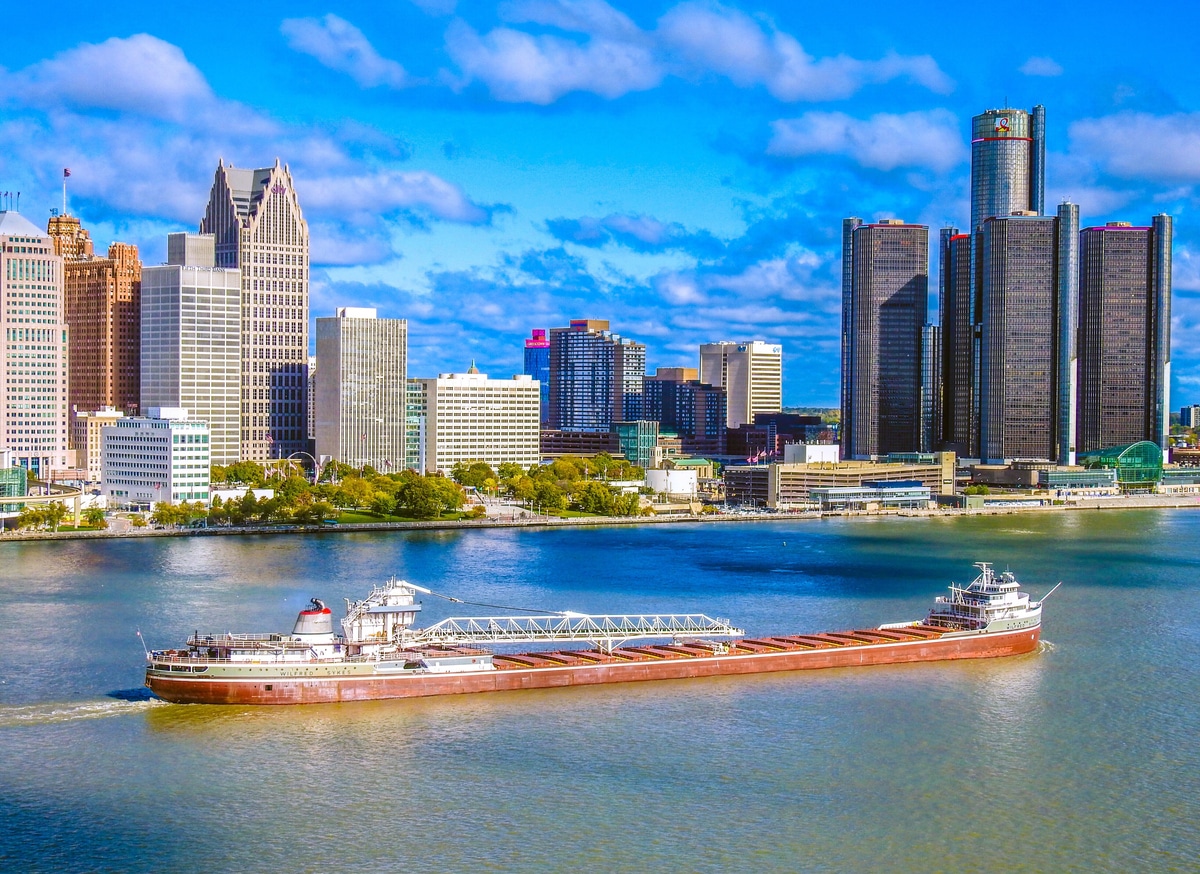
For decades, Detroit has had a complicated reputation. While Michigan’s largest city has been synonymous with automotive muscle and soulful Motown music, it’s also been shaped by a history of urban and industrial challenges. But today, it’s in the midst of a renaissance, fueled by growing opportunities and renewed investment in safety, architecture, and the arts.
Is Detroit a good city to live in? Many longtime residents think so. They point to Detroit's low cost of living, strong sense of community, growing job market, and world‑class cultural amenities as compelling reasons to call the Motor City home.
In this guide, we'll cover the pros, cons, and key topics you need to know, including the cost of living, the local job market, what the weather's like, fun things to do in Detroit, and more. By the end, you’ll see why so many people end up falling in love with living in Detroit.
8 Things To Know About Living in Detroit Before Moving to Detroit
Whether you're moving to Detroit for a job, to be closer to family, or simply for a change of pace, there's a lot to love here, starting with affordability.
1. The cost of living in Detroit is lower than in many major cities
One of Detroit's biggest draws is how cheap it is. The cost of living in Detroit is technically 3% above both the national and state averages, but according to a 2025 cost‑of‑living analysis, the average salary in the city is $70,471, housing costs remain strikingly low, and taxes are moderate. So, if you’re moving to Detroit, that means your paycheck can stretch further than in many other major cities.
Say you were moving from Boston to Detroit. If you made $85,000 in Boston and moved to Detroit, you would only need to make about $60,000 in Detroit to maintain the same standard of living. Even if you were making $85,000 in Chicago — which is often touted as an affordable big city — you would still only need to make around $76,000 living in Detroit.

2. Detroit has all four seasons and snowy winters
Detroit experiences all four seasons, giving residents a true Midwestern climate. If you're moving to Detroit, expect spring to arrive slowly in April with occasional rain showers. Summers are warm and sometimes humid, with average high temperatures in the mid‑80s°F and plenty of sunshine — perfect for enjoying the Detroit Riverwalk or Belle Isle Park.
Autumn is a highlight, with crisp air and vibrant red and gold foliage. Winters are cold and snowy; expect daytime temperatures around freezing, occasional single‑digit lows, and several snowstorms. If you plan on living in Detroit long-term, budget for winter clothing, snow tires, and maybe even a shovel.
3. Crime and safety vary widely by neighborhood
No discussion about moving to Detroit is complete without addressing safety. Crime remains an issue in parts of the city, but it's important to look at the data. NeighborhoodScout reports that Detroit has a crime rate of 66 incidents per 1,000 residents and that a person's chance of becoming a victim of violent or property crime is 1 in 15 — higher than most American cities.
That said, crime is concentrated in specific areas, and while some neighborhoods have very high crime rates, many neighborhoods are quite safe.
3 Neighborhoods in Detroit with Higher Crime Rates
3 Safest Neighborhoods in Detroit
Is Detroit safe? The honest answer is that it depends on where you live and how aware you are of your surroundings. Many parts of the city — especially its historic districts, gated communities, and revitalized downtown — feel as safe as any Midwestern suburb. Like any large city, though, exercising common sense (like locking doors and avoiding poorly lit areas late at night) goes a long way toward staying safe.

4. The Detroit housing market is growing — but still affordable
The Detroit housing market offers some of the best bargains among major U.S. cities, which is great news if you're hoping to buy in Detroit. Redfin reports that the median sale price of a home in Detroit was $106,000 in July 2025 (76% lower than the national average), up about 29% year‑over‑year.
Compared to median home prices in other big cities like LA, New York, and Boston markets, where median home prices exceed $800,000, Detroit's real estate is downright cheap.
| Ready to make the move to Detroit? Get a fast, free quote from Colonial. |
5. Detroit’s rental market has a wide range of prices across neighborhoods
The Detroit rental market is pretty affordable too, and renters will find a broad range of options. RentCafe's July 2025 report shows the average rent in Detroit is $1,327, with an average apartment size of 793 sq ft., but neighborhood rents vary dramatically. Downtown Detroit is the most expensive, averaging $1,836 per month, followed by Lower Woodward ($1,507) and Middle East Central ($1,433).
On the affordable end, Cody ($851), Brooks ($861), and Brightmoor ($870) offer budget‑friendly alternatives. Popular areas like Palmer Park ($969) and Indian Village ($1,280) fall somewhere in between. These prices reflect the city's diverse housing stock — from luxury lofts in repurposed skyscrapers to modest duplexes on tree‑lined streets.
6. Automotive, healthcare, and tech drive growth in the Detroit job market
Detroit's economy has diversified beyond its automotive roots. While the Big Three automakers (General Motors, Ford, and Stellantis) still anchor the region, job growth is strong in defense, transportation, healthcare, and technology.
For those moving to Detroit for work, the outlook is promising. The average salary in Detroit is around $70,471, and the city's unemployment rate is roughly 5.1% — slightly higher than some metropolitan areas but trending downward as new industries expand.
If you're relocating for work — or simply moving to Detroit with plans to job‑hunt — it's wise to research specific industries and employers. Detroit's cost of living means salaries go further than in many competing markets, and because the city sits near the U.S.–Canada border, there are ample opportunities in logistics and international trade.
Pro Tip: Before moving out of state, use our comprehensive moving checklist to ensure a smooth transition. |
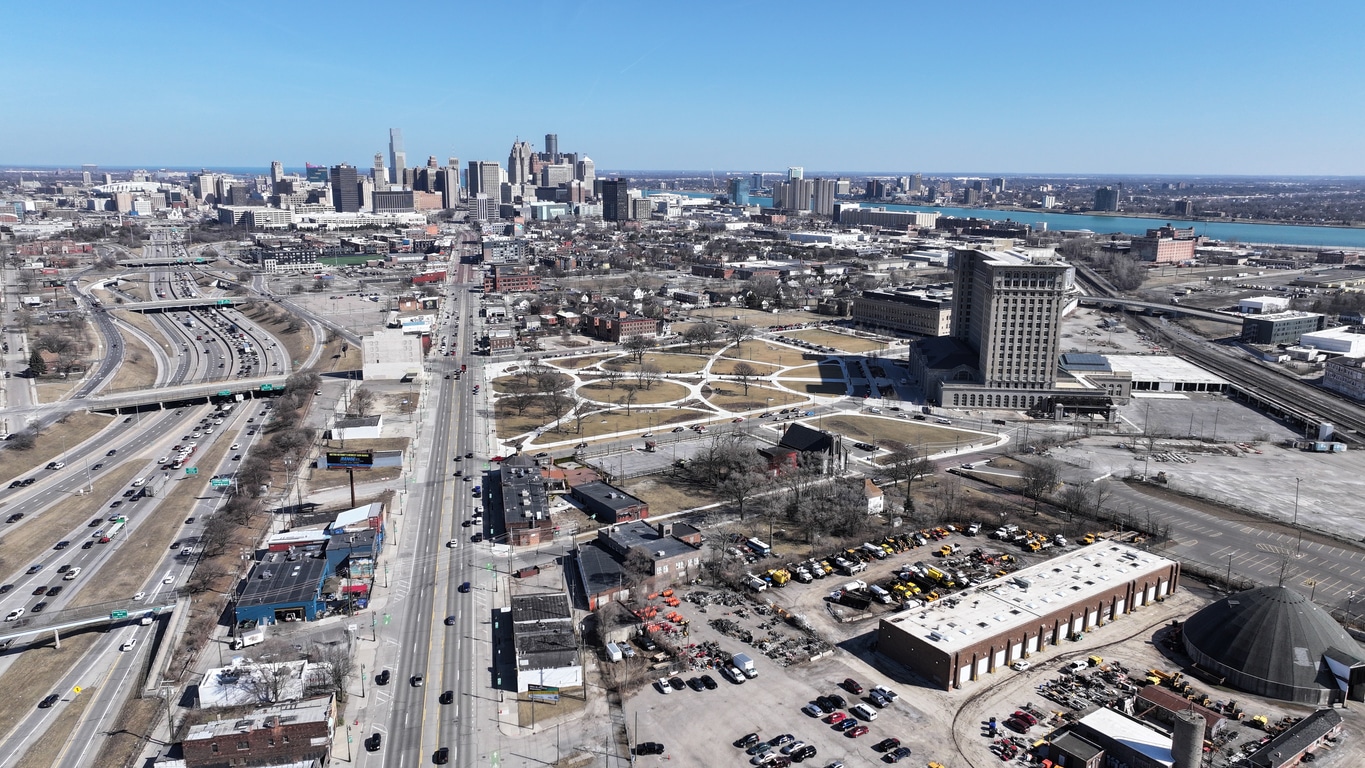
7. The best places to live in Detroit can be found both in the city and the suburbs
Wondering where to live in Detroit? It’s a big city composed of distinct neighborhoods, each with its own personality. Here are three of the best places to live in Detroit, depending on your priorities.
Palmer Woods: Best Neighborhood for Families
Palmer Woods is considered one of the safest neighborhoods in Detroit. The area is known for its stately homes, winding tree‑lined streets, and strong neighborhood association. Families appreciate the large lots, low crime rates, and proximity to top‑rated public and private schools in Novi and Bloomfield Hills. Home prices here are higher than the city median (around $600K), but the investment buys safety, space, and architectural beauty.
Midtown: Best Neighborhood for Young Adults
Midtown is the cultural heart of Detroit, filled with local breweries, independent bookstores, music venues, and great restaurants. Young adults flock here for its walkability, nightlife, and proximity to universities (Wayne State, and CCS College for Creative Studies) and major employers (Henry Ford Health, Detroit Medical Center). Apartments range from lofts in historic warehouses to modern high‑rises, and most young adults can expect to find a spot to rent within their budget.
Corktown: Safest Detroit Neighborhood
Beyond Palmer Woods, Corktown is one of the safest neighborhoods in Detroit. Also, one of the oldest neighborhoods in Detroit, Corktown is known for its Irish roots, historic architecture, diversity, and urban feel. Families, singles, and people from all income brackets settle in Corktown, so you can find a spot that’s perfect for you, no matter your situation.
Making a long-distance move? Our professional moving services can make your relocation much smoother. |

8. You’ll find an array of fun things to do in Detroit, no matter your vibe
Detroit isn't just affordable — it's fun. The city teems with arts, sports, history, and outdoor adventures. Here are some ideas for every type of new resident.
Fun things to do in Detroit for adults
Catch a live show at the Fox Theatre or Fillmore Detroit.
Explore craft breweries like Batch Brewing Company in Corktown and Motor City Brewing Works in Midtown.
Attend a Tigers game at Comerica Park.
Enjoy arts, shopping, and good eats along Detroit’s Historic Avenue of Fashion.
Visit the Detroit Institute of Arts for art and theatre entertainment.
Fun things to do in Detroit for couples
Stroll along the Detroit Riverwalk and watch boats pass on the Detroit River.
Take a romantic picnic to Belle Isle Park.
Enjoy live jazz and cocktails at Cliff Bell's.
Tour the Eastern Market, then wander the nearby murals and antique shops.
Fun things to do in Detroit with kids
Spend a day enjoying the planetarium and hands-on exhibits at the Michigan Science Center.
Visit the Detroit Zoo in nearby Royal Oak to see penguins, polar bears, and giraffes.
Ride the carousel and explore the splash pad at Beacon Park.
Explore the Outdoor Adventure Center.
Pros and Cons of Living in Detroit
Detroit offers a unique mix of big‑city amenities, affordability, and community. Here's a quick overview of the pros and cons of living in Detroit.
Pros of living in Detroit
Home prices and rents are much lower than in comparable cities.
Industries like manufacturing, healthcare, and tech offer opportunities for career growth.
Many neighborhoods have strong block clubs, community gardens, and local businesses that foster connection.
World‑class museums, sports, music, and a burgeoning dining scene provide plenty of entertainment.
Cons of living in Detroit
The winters can be long, cold, and snowy.
The overall crime rate is higher than the national average, and some neighborhoods experience significant violent crime.
Overall, the positives outweigh the negatives. Detroit offers affordability, culture, job opportunities, and community spirit that many other big cities lack — if you’re not averse to snowy winters.
Make Your Detroit Move a Breeze
Ready to settle down in Detroit? If you’re drawn to affordable housing, growing career opportunities, and a sense of community — and if you're willing to embrace a city in transformation — moving to Detroit might be the right choice. When you're ready to take the leap, let Colonial Van Lines take care of your move.
With over 50 years of experience in long‑distance relocation, our highly trained movers can pack, load, transport, and unload your belongings with care. Request your free moving quote today.