
Maine, you get a walkable downtown, a renowned food scene, and easy access to the water, all with the feel of a quintessential Northeast seaside town.
Still, Portland, Maine, comes with a few trade-offs. In this guide, we’ll cover the best things to do, the best places to live, and other things you should know to give you a clear look at the pros and cons of living in Portland, Maine, so you can assess whether it’s the right fit for you.
8 Things to Know About Living in Portland, Maine, Before Making the Move
Before booking long-distance moving services, it helps to get a sense of real life in Portland beyond the postcard version of the city. The city does have plenty of charm, but it’s also surprisingly resilient. Did you know it’s been rebuilt four times over its history? No wonder why locals sometimes refer to Portland as the “phoenix city” — it keeps coming back stronger and better than before.
Moving to Portland, Maine, is a romantic idea that’s easy to get swept up in, but it’s also important to think about what it will be like living here long-term. That includes adjusting to the rhythms of a coastal New England city — for example, navigating ruise ship traffic in the summer or planning around heavy snow parking bans in the winter.
With that in mind, here are eight other things to know before making the move.
Ready to make the move to Portland, Maine? Get a fast, free quote from Colonial. |
1. The cost of living in Portland, Maine, is steep but cheaper than in many big cities
Portland is a beautiful city, and you’ll pay a premium for it. The cost of living in Portland, Maine, is about 14% higher than the national average, with housing as the main driver. Still, for those who are already living in New England or coming from bigger cities, Portland could be much more affordable.
For instance, if you were making $100,000 in Boston, you would only need to make about $77,000 in Portland to maintain the same standard of living. If you were making $100,000 in New York City, you’d only need to make $48,000.
What salary do you need to live comfortably in Portland, Maine? According to the MIT Living Wage Calculator, a single adult in the Portland metro needs roughly $55,000 to cover basic needs. But if you factor in the 50/30/20 budget rule and want to comfortably cover additional expenses, like weekly entertainment and retirement savings, you would need to make about double that ($110,000).

2. Portland has four distinct seasons with long winters and mild summers
If you’re moving to Portland, Maine, get ready to experience all four seasons — just not evenly balanced. Fall is short but beautiful, while winters are long, gray, and cold, with regular snowfall and occasional nor’easters that bring heavy wind and coastal flooding. Springtime can also be slow and unpredictable. But summer tends to make up for all of it: it’s mild, comfortable, and one of the best parts of living in Portland, Maine, with temperatures typically in the 70s and low 80s.
One thing to keep in mind: coastal weather changes fast — sunny mornings can turn into chilly, windy afternoons, even in peak summertime. If you’re moving out of state, particularly from somewhere warmer, having the right outdoor gear will quickly become part of your regular routine.
3. The Portland, Maine, crime rate is higher than average but varies by neighborhood
The Portland, Maine, crime rate is about 30% higher than the national average, but that number doesn’t tell the whole story. Like most cities, crime tends to be more concentrated in denser, high-traffic areas like Downtown and tourist zones — and those pockets are mostly known only for property crimes. In fact, violent crime in Portland is actually safer than many U.S. cities, at 26% below the national average.
Some of the safest areas in Portland include Rosemont, Deering Center, and North Deering, which feel more residential. On the other end, areas like Valley Street, West Bayside, and East Bayside-India Street tend to report higher crime rates.
4. The Portland, Maine, housing market remains competitive
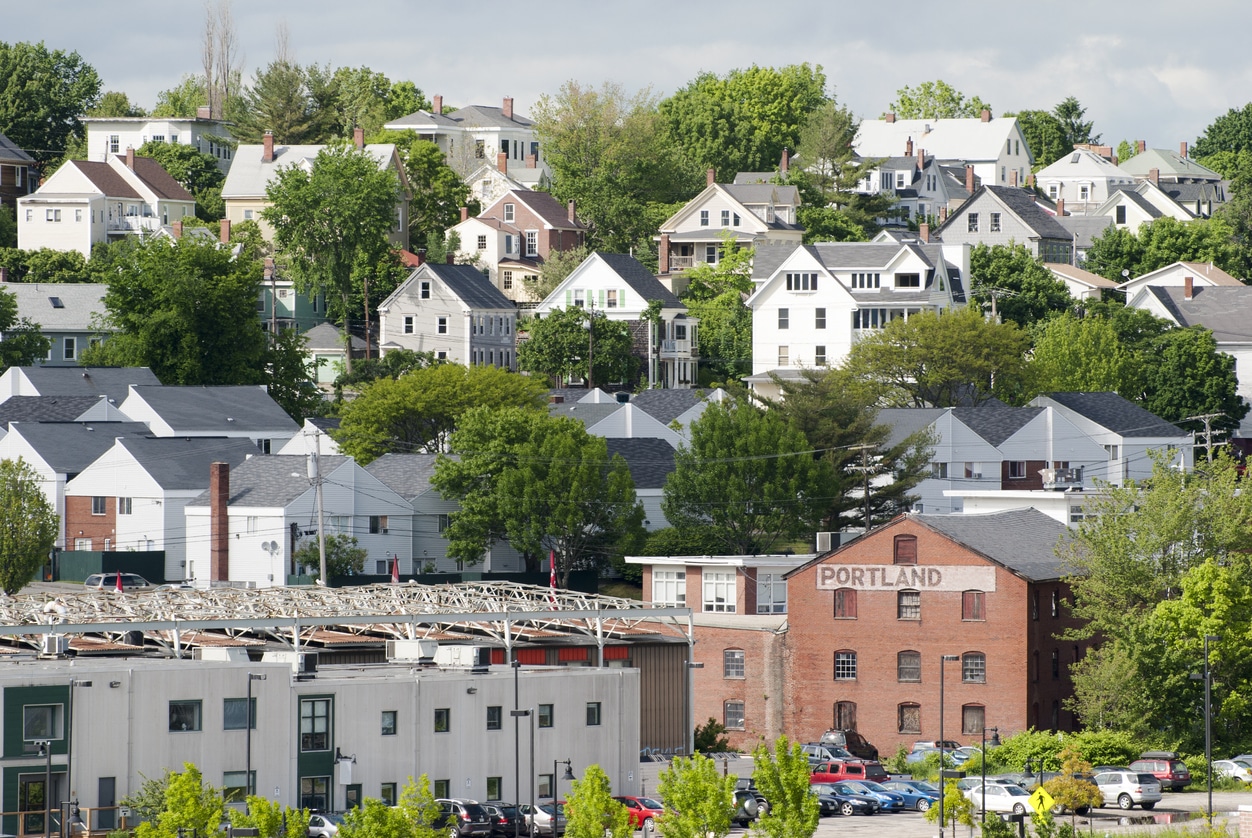
The Portland, Maine, housing market is still one of the most expensive in the state. The average home value is around $543,000, which is slightly down from last year but still well above the Maine state average of roughly $397,000. That gap comes down to demand, limited inventory, and Portland’s low-key coastal appeal.
Finding housing here can definitely be difficult, no matter where you’re moving from, but the market has begun to cool a bit, and with the right timing and approach, finding a home here is still very possible.
5. The best places to live in Portland, Maine, depend on your lifestyle and budget
Portland, Maine, is compact, but each neighborhood has a different feel. Here are three of the best places to live in Portland, Maine, depending on your lifestyle.
Best places to live in Portland, Maine, for families: Deering Center
Deering Center is one of the most popular family-friendly neighborhoods in Portland. It’s a quieter, residential neighborhood with tree-lined streets, plenty of open space, good schools like Casco Bay High, and easy access to parks like Baxter Woods.
Best places to live in Portland, Maine, for young adults: Downtown
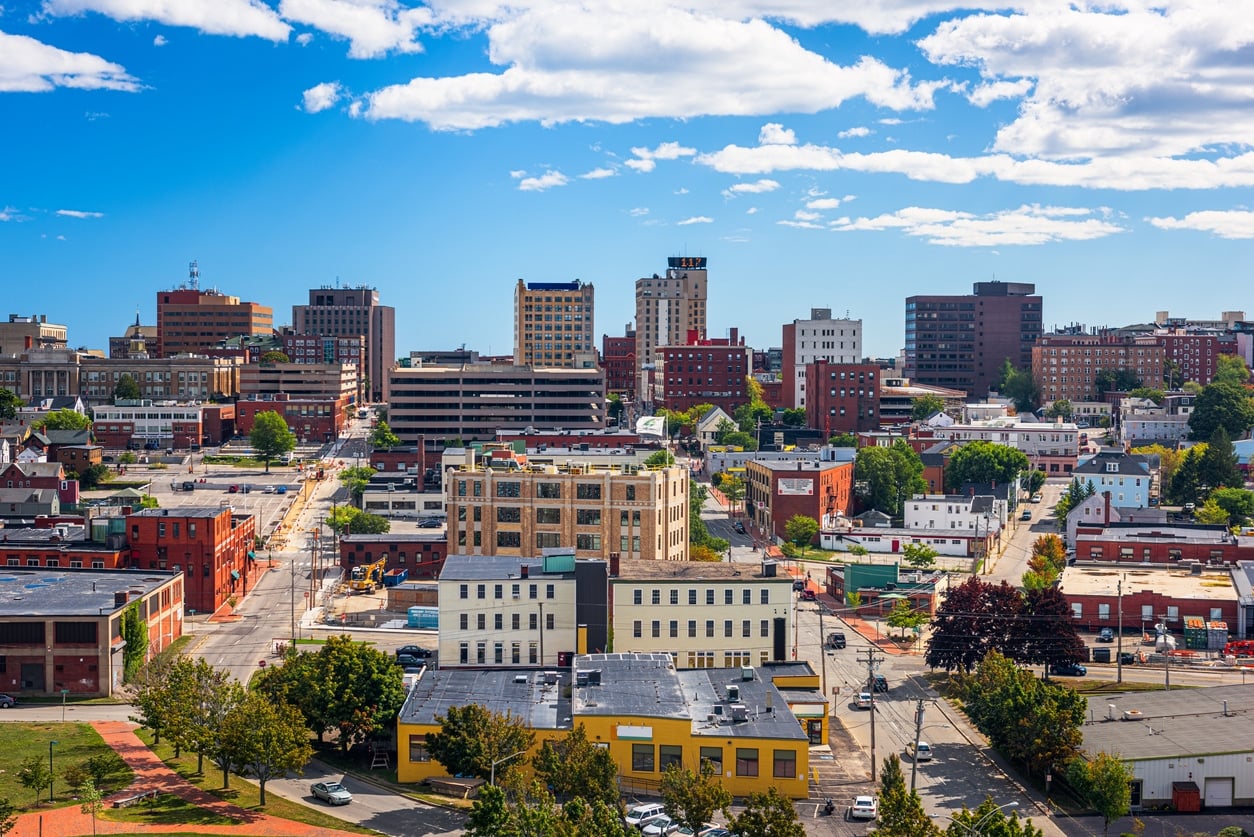
Downtown Portland — aka Old Port — is the most active part of the city. While you have to reckon with limited parking and higher rent prices, this is also where you’ll find the best restaurants, bars, shops, and waterfront views, all within walking distance. It’s a good fit for young professionals who want energy and convenience, as long as they can afford the higher price tag.
Best places to live in Portland, Maine, for retirees: North Deering
Just ten minutes from Downtown, North Deering offers a quieter, more relaxed pace that appeals to families and retirees alike. The area has a suburban feel with larger colonial and mid-century homes, less congestion, and access to outdoor spaces, like Presumpscot River trails. This is a great option for those who want to stay close to Downtown Portland while avoiding the busier parts of the city.
6. The job market in Portland, Maine, is stable and growing
Portland’s job market is steady, with a low unemployment rate of around 2.7%. The city is known to have consistent demand in health care, education, tourism, fishing, and manufacturing services. While the average income in Portland still lags behind some larger cities, wages have grown in recent years, with some reports showing around 40% growth since 2019.

7. Portland has a nationally recognized culinary scene
The food scene is a major part of living in Portland, Maine. With over 300 spots to choose from, it actually has one of the highest restaurant-per-capita rates in the country, trailing just behind San Francisco. The seafood here is the obvious draw — especially the lobster rolls at places like The High Roller and oysters at spots like Scales — but the options range far beyond that.
In Portland, you’ll find everything from upscale dining to casual spots, bakeries, and breweries — all packed into a small, walkable area. For a city this size, the variety and reputation are hard to match, and it’s one of the biggest reasons people enjoy living in Portland, Maine.
8. The best things to do in Portland, Maine, center around food, the sea, and walkability
Along with the incredible food, one of the biggest perks of living in Portland, Maine, is just how much there is to do in such a compact area. You can spend a full day not only trying new restaurants but also exploring the beach, getting out on the water, or enjoying Portland’s nightlife without needing to plan much. Here are a few of the best things to do in Portland, Maine.
Fun things to do with kids in Portland, Maine
Visit the Children's Museum & Theatre of Maine for interactive exhibits and shows.
Explore tide pools and walk the shore at East End Beach.
Take a ferry ride across Casco Bay with Casco Bay Lines.
Walk or bike the Eastern Promenade for open space and water views.
Fun things to do in Portland, Maine, for couples
Stroll through the Old Port and enjoy cocktails at Blyth and Burrows.
Visit the Portland Museum of Art for a quieter afternoon.
Catch a concert or comedy show at the State Theatre.
Take a pottery class together at The Clay Studio.
Fun things to do for free in Portland, Maine
Check out the Portland Head Light and explore Fort Williams Park.
Peruse local art at First Fridays.
Visit the Portland Breakwater Light at Bug Light Park.
Watch a movie on the rooftop of Bayside Bowl.
Pros and Cons of Living in Portland, Maine
Is Portland, Maine a nice place to live? For most people, yes, Portland is an exceptionally nice place to live. If you value a walkable city, strong local culture, and access to the outdoors, Portland delivers. But as with any city, there are trade-offs, such as a higher cost of living and cold winters.
Before you start on that moving checklist, here’s a quick review of the pros and cons of living in Portland, Maine.
Pros of living in Portland, Maine
Walkable downtown with easy access to shops, restaurants, and the waterfront
One of the best food scenes for a city its size
Strong sense of community with a small-city feel
Access to the ocean, trails, and outdoor activities year-round
Stable job market with steady growth in key industries
Distinct seasons with a highly pleasant summer and fall weather
Cons of living in Portland, Maine
Higher cost of living
Competitive housing market with limited inventory
Long, cold winters with shorter daylight hours
Limited parking and traffic congestion in busier areas
Moving to Portland, Maine
Living in Portland, Maine, offers a charming, walkable city, a fantastic food scene, and easy access to the water, but it also comes with higher housing costs and long winters. If that works for you, moving to Portland, Maine, can be a lovely place to call home.
When you’re ready to make the move, Colonial Van Lines can take the pressure off by by handling all the logistics. With extensive experience in long-distance moving, our team can handle the packing, transportation, and delivery, making your transition to Portland more manageable. Get a free quote today.