

From the dramatic skyscrapers of Chicago and the tranquil farmlands of Omaha, to the iconic BBQ of Kansas City and the waterfront views of Duluth, there’s so much to enjoy about living in the Midwest. This part of the country is known for its inspiring nature, charming towns, thrilling cities, and welcoming locals. But is the Midwest culture right for you — and what should you know first before making the leap?
If you’re curious about moving to the Midwest, join the club. Recent data from the U.S. Census Bureau reports a 20% increase in new residents across this region. So, let’s explore what makes the Midwest culture and lifestyle so inviting — from the weather and the job market, to the cost of living in the Midwest and the most unique activities to do here.
8 Things To Know About Midwest Culture Before Moving To the Midwest
Do you plan on moving to Chicago for deep dish pizza, lakefront recreation, and a lively urban atmosphere? Or are your sights set on Milwaukee for its cool industrial vibes, world-famous craft breweries, and summer music festivals? No matter where you put down roots, here’s what to keep in mind about living in the Midwest.
| Ready to make the move to the Midwest? Get a fast, free quote from Colonial. |
1) The cost of living in the Midwest is lower than other major U.S. hubs
When you think of moving to the Midwest, chances are, Chicago is the first city that comes to mind. And sure, the cost of living there is 17% above the national average, but it’s also not as steep as many other desirable cities in the U.S.
For instance, Chicago is 24% less expensive than New York City, 22% less than San Francisco, 15% less than Seattle, 12% less than Boston, and 7% less than Miami. To put this into further context, someone moving from New York will need about $7,875 per month in Chicago to afford the same lifestyle that cost them $12,000 per month in NYC.
But if Chicago isn’t your speed, other cities across the Midwest offer a reasonable cost of living, too. To name a few examples: Omaha is 10% below the national average, Minneapolis is 7% lower, St. Louis is 6% lower, and Cincinnati is 3% lower. This region also boasts some of the country’s lowest state income tax rates. Overall, if you’re looking for a more affordable lifestyle while maintaining a high quality of life, moving to the Midwest makes sense.

2) The climate and weather in the Midwest gives you all four seasons
Almost all of the Midwest has a humid continental climate, with parts of southern Illinois and Indiana approaching a more subtropical climate. The temperatures across this region fluctuate considerably from one season to the next.
Winters are cold, with temperature lows around 15 degrees, often accompanied by sleet, snow, or even blizzards. At the other end of this spectrum, summers are warm with intense humidity levels and temperatures around 85 degrees. Autumn ushers in crisp, sunny weather and vibrant colored foliage, while spring offers mild, breezy weather and sporadic rainfall.
Parts of the Midwest fall within what’s known as “Tornado Alley,” thanks to a phenomenon in the atmosphere called convection. This takes place when moist, warm air interacts with cool air, condensing into a vapor and creating winds that can spawn thunderstorms or tornadoes. These extreme weather events are most common in the summer months, but dangerous storms can occur at any time, so be aware of that before moving to the Midwest.
3) Living in the Midwest means exposure to a unique, specific lifestyle
What is the culture of the Midwest? To sum it up: living in the Midwest is all about friendly communities, down-to-earth vibes, outdoor recreation, and neighbors who look after each other. Midwest traditions run the gamut from a weekend tailgate at the Michigan versus Ohio State rivalry football game to a few rounds of Euchre at the kitchen table.
Combine this warm Midwest culture with an affordable cost of living and authentic, hardworking spirit, and it’s easy to see how the Midwest earned its reputation as America’s Heartland. Here are some distinctive regional quirks that Midwesterners know to be true.
Fast facts about Midwest culture
A Great Lakes vacation is just as fun (if not, more so) than a trip to the ocean.
College football fandom in the “Big Ten” conference is serious business.
“Pop” is the term for soda, “hotdish” is the term for casserole, and “up north” is the catch-all description for lakefront getaways.
Any temperature above 50 degrees is acceptable T-shirt-and-shorts weather.
There’s a constant debate about pizza in this region — some locals swear by the classic deep dish-style crust from Chicago, while others prefer a thinner crust from St. Louis or a crispy, square crust from Detroit.
Ranch dressing is the official condiment of most Midwestern dinner tables.
You are not a real local until you’ve tried cheese curds and frozen custard from Culver’s.
Attending a state fair in the summer is an experience you need to have at least once.
From cards to cornhole, Midwesterners are always up for a competitive game night.
Want to make your Midwest relocation as seamless as possible? Our handy moving checklist will help you navigate each step in the process smoothly. |
4) Midwest crime rates fluctuate significantly based on where you live
Crime in the Midwest is a mixed bag. Illinois, Ohio, Michigan, Missouri, and Indiana rank among states with the nation’s highest crime rates, while Kansas, Wisconsin, Nebraska, Iowa, and both North and South Dakota have much lower crime rates.
Because it’s home to the Midwest’s largest metropolitan area, Illinois experiences the most crime in this region (254,782 according to recent estimates), but it’s less than other states, like California (1,104,212), Texas (806,610), New York (428,313), and Florida (408,486). In fact, even Chicago has seen a historic drop in violent crime rates during 2025.
Here are the safest Midwestern cities and the cities where crime is more common. But as with anywhere else, most crimes are concentrated in small pockets within cities.
Safest cities in the Midwest
Carmel, Indiana
New Town, North Dakota
Campton Hills, Illinois
Novi, Michigan
Highest crime cities in the Midwest
St. Louis, Missouri
Minneapolis, Minnesota
Detroit, Michigan
Chicago, Illinois
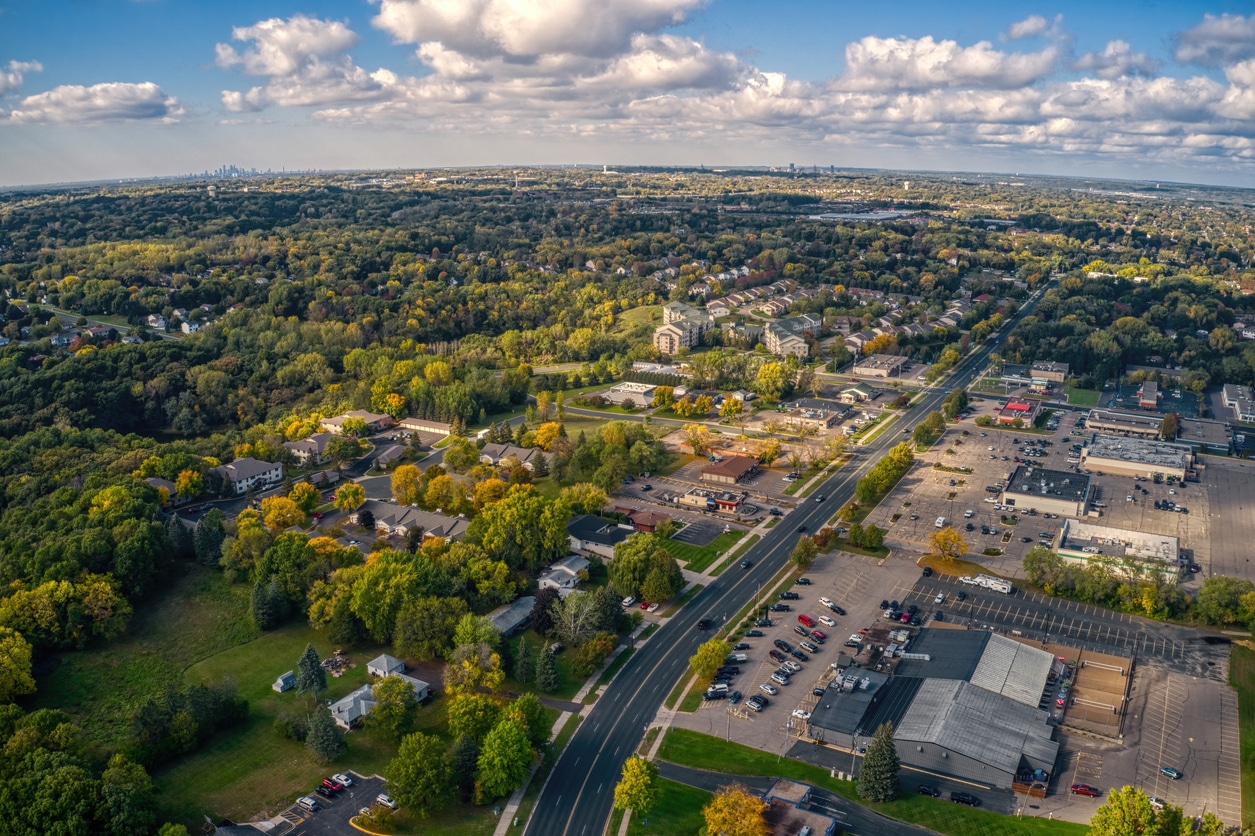
5) The Midwest’s housing market is affordable but somewhat on the rise
Living in the Midwest means you won’t have to spend as much on housing costs as you would in other parts of the country. With that said, home values in certain areas are starting to climb. On the pricier end, a house in Chicago costs around $365,000 — slightly more than the national average of $357,275. Minneapolis isn’t too far behind Chicago at $350,000, while Duluth clocks in at $290,000, followed by Kansas City at $288,500.
On the lower end, an average home will cost $250,000 in Indianapolis, $230,000 in Milwaukee, $125,000 in Cleveland. But it doesn’t get much cheaper than living in Detroit — purchasing a home in this urban center will set you back just $97,000.
Renting an apartment in the Midwest
Apartment rentals across the Midwest also vary from one state to the next. A one-bedroom apartment in most Midwestern states ranges anywhere from $1,100 to $2,000 per month. For the most part, living in the Midwest means cheaper rental costs than the national average of $1,737 per month (except for Illinois, which is on the higher end of $2,000). To break this down into specific cities: a one-bedroom apartment costs $2,368 per month in Chicago, $1,509 in Minneapolis, $1,406 in Milwaukee, and $1,207 in Kansas City.
Check Out Our Midwest Moving Guides |
6) Moving to the Midwest will open the door to an exciting job market
Midwest’s unemployment rate is below the national average — 4.1% versus 4.4% according to recent projects. This reflects the vibrant economic growth seen in recent years, with about 34 million jobs across the region. The Midwest is a hub for numerous profitable industries such as manufacturing, finance, aerospace, construction, agriculture, education, automotive, biotech, transportation, healthcare, and energy production.
It’s also home to Fortune 500 companies like Ford, General Motors, United Airlines, Nabisco, MacDonald’s, Best Buy, Motorola, and Allstate, just to name a few. The average annual salary in the Midwest is $69,416 — right on par with the national average. Of course, you’ll earn more in major cities like Chicago, where the salary is $85,000 on average. That’s less than New York City ($96,000) or Los Angeles ($93,000), but still competitive.

7) The best places to live in the Midwest are full of character and charm
Life in the Midwest is full of options. There are 9,721 cities and towns across this region, all of which exemplify the common Midwest values of warm neighborly connections, unpretentious comforts, and genuine hospitality. But out of all these locales, which is the ideal choice for you? Allow us to make your decision easier with our top three picks.
Whether you prefer a cool urban vibe, a cozy small town feel, or a convenient slice of suburbia, this list of the best places in the Midwest offers something for everyone.
Carmel, Indiana: Best for families
If you want a safe, family-friendly home, look no further than Carmel. About 30 minutes north of Indianapolis, this charming suburban enclave is known for its low crime rates, excellent public schools, and close-knit community atmosphere.
Carmel also offers affordable housing and low unemployment rates — no wonder it’s number two on the list of Best Places to Live in the U.S. Your whole family will feel right at home in Carmel, thanks to over 200 miles of nature trails, 700 acres of outdoor parks, and a thumping Arts and Design District with artisan boutiques, galleries, restaurants, street festivals, coffee shops, and live entertainment options for all ages.
For a memorable family outing in Carmel, start with a game of pickleball or a leisurely bike ride at Meadowlark Park. Then, head to Bub’s Burgers and Ice Cream for a hearty meal even the pickiest eaters will love (their hand-spun shakes are impossible to resist).
Madison, Wisconsin: Best for young professionals
Looking for an authentic city experience without the hefty price tag that comes with Chicago? Madison fits the bill. This urban center is full of progressive, dynamic innovation and fast-paced energy, which makes it perfect for young professionals.
Madison’s major claim to fame is the University of Wisconsin, home to one of the nation’s top 10 business programs. It also has an average walk score of 82 and a bike score of 92, so you can commute without a car. When you’re off the clock, Madison boasts a buzzy entertainment scene as well — including hip nightlife venues, music, theater, and outdoor activities.
Peruse the 220 local growers and artisan vendors at the bustling Dane County Farmers Market in Downtown Madison Square. Grab a pint of beer and a basket of cheese curds at the Brass Ring Bar, then stroll next door to High Noon Saloon and jam out to live indie music on the patio. And mark your calendar for the annual Brat Fest over Memorial Day weekend.
Farmington, Missouri: Best for retirees
When it’s time to ease into those “golden years” of retirement, Farmington has you covered. This tranquil suburban community is nestled in the Ozark Mountain foothills about an hour outside of St. Louis. Flanked by nine state parks, waterfront views, golf courses, vineyards, wineries, and microbreweries along Missouri’s scenic Route du Vin wine trail, Farmington offers the relaxed pace retirees crave.
Hike through the lush forests and meandering streams of St. Francois State Park. Tee up for 19 holes on the rolling 208-acre manicured course at Bogey Creek Golf Club. Then, refuel with a plate of shareable appetizers and a signature cocktail at 102 Tap House.
You’ll also find a variety of affordable homes to choose from, as well as high-quality medical facilities such as Parkland Health Center. Bottom line: If you want a seamless blend of comfort and recreation, Farmington is the place to be.
Once you’ve picked a place to live in the Midwest, read our guide on how to pack for a move — it’s sure to make your relocation easier and more efficient. |

8) Whatever you’re into, the Midwest culture brims with entertainment
Now that you’ve settled on where you’ll be living in the Midwest, let’s discuss all the top-notch entertainment that awaits you here. From urban attractions to nature explorations and just about everything in between, here are some of the most fun things to do in the Midwest:
Cultural activities
Discover the historic Kansas City jazz scene at The Blue Room or Green Lady Lounge.
Peruse the vast collection of nearly 300,000 masterpieces at the Art Institute of Chicago.
Immerse yourself in Indigenous traditions at Minnesota’s Pipestone National Monument.
Explore the roots of Motown and learn about civil rights heroes at The Wright Museum of African American History in Detroit.
Activities for kids
Spend an afternoon at the St. Louis Zoo and Forest Park (it’s free!).
Check out all the hands-on, interactive exhibits at the Indianapolis Children’s Museum.
Have a blast at the “roller coaster capitol of the world,” Cedar Point, in Sandusky, Ohio.
Experience Nickelodeon Universe, the nation’s largest indoor theme park, located in Minneapolis' iconic Mall of America.
Outdoor activities
Hike over 50 miles of trails or relax on a lakefront beach at Indiana Dunes National Park.
Marvel at the unique sandstone cliffs of Michigan’s Pictured Rock National Lakeshore.
Plan a canoeing excursion in the Boundary Waters Wilderness of northern Minnesota.
Ride your bike along the peaceful Missouri River through farmlands, wineries, and quaint small towns on Katy Trail.
Seasonal activities
Snag tickets to Summerfest, the world’s largest annual music festival, in Milwaukee.
Enjoy dachshund races, polka bands, beer, and bratwurst at Cincinnati’s Oktoberfest.
Hit the slopes with views of Lake Superior at Minnesota's Lutson Mountain Ski Resort.
Celebrate the arrival of spring with more than six million colorful new blooms at the Tulip Time Festival in Holland, Michigan.
Activities for a night out
Pair retro arcade games with modern craft cocktails at the 16-Bit Bar in Cleveland, Ohio.
Set out on an epic brewery crawl across the Twin Cities of Minneapolis and St. Paul.
Cheer on your favorite pro sports team in Chicago (there are nine to choose from!).
Laugh until your sides hurt at ComedySportz, an improv club in Milwaukee that thrives on audience interaction and participation.

Pros and Cons of Living in the Midwest
Is the Midwest a good place to live? Overall, the answer is yes. This region is full of laid-back character, hospitable community vibes, authentic values, and a unique Midwest culture that sets the lifestyle here apart from other areas of the United States. But of course, with those benefits come a few potential drawbacks, so here are the main pros and cons to consider about living in the Midwest.
Pros of living in the Midwest
Affordable cost of living
Friendly, welcoming locals
Mix of urban centers and small towns
Vibrant regional culture
Four distinct seasons
Robust job market
Close proximity to nature
Reasonable housing prices
Wide variety of entertainment options
Cons of living in the Midwest
Crime is high in some areas
The weather can be extreme
Housing costs are on the rise
Moving to the Midwest: Your Options
Your final step in embracing Midwest culture is actually moving here. When it’s time to hit the road, you have two main options: renting a truck or hiring full-service movers. Here’s what to keep in mind about each of these solutions.
DIY with a rental truck
With this option, you rent the truck, then do the labor yourself. This includes packing, loading, transporting, and unloading. If you’re on a budget, a DIY move will help curb some costs, but it also takes significant time and effort. Plus, you’re responsible for driving the truck, which can be a hassle — especially for long-distance interstate moves.
Full-service movers
With this option, you hire full-service movers to handle all the logistics for you. This team of professionals will load the truck, transport your items, then unload them in your new home. For an extra fee they can pack the boxes for you, which saves you work and lowers the risk of damage. Full-service movers cost more than doing it yourself, but this option is much more convenient. Not to mention, your items will be in expert hands.
Settle Into Midwest Culture With Colonial Van Lines
If you love the idea of an affordable cost of living, spectacular outdoor activities, and a unique lifestyle that can’t be found anywhere else — and the occasional tornado warning or winter storm doesn’t scare you off — moving to the Midwest could be right for you.
Ready to immerse yourself in the welcoming culture of the Midwest? Let Colonial Van Lines take care of all your moving details for you. Our team of reliable long-distance movers has both the experience and expertise required to ensure a smooth transition to your new home. Contact us for a fast, free moving quote today!