

Oregon is a unique place, blending remarkable natural beauty with vibrant, culturally important city centers and cutting-edge industry. But it also has a relatively high cost of living, and there are subtleties related to the job market you should be aware of if you’re considering moving to Oregon from California or another state.
The following guide exists to help you weigh factors like climate, housing, job opportunities, cultural highlights, and everything else you need to keep in mind as you consider whether Oregon is the right fit for your next chapter.
A Little Bit About Oregon
Here’s a quick snapshot of what makes Oregon stand out:
Population: With a population of ~4.4 million, Oregon is the 27th largest state.
Median Age: Oregon a relatively young state, with a median age around 40 years old.
Climate: You’ll find mild coastal winters, dry summers, and abundant rainfall here (Portland averages 152 rainy days per year).
Natural Beauty: The state home to Crater Lake, the deepest lake in the U.S., and the Columbia River Gorge — both paradises for outdoorsy types.
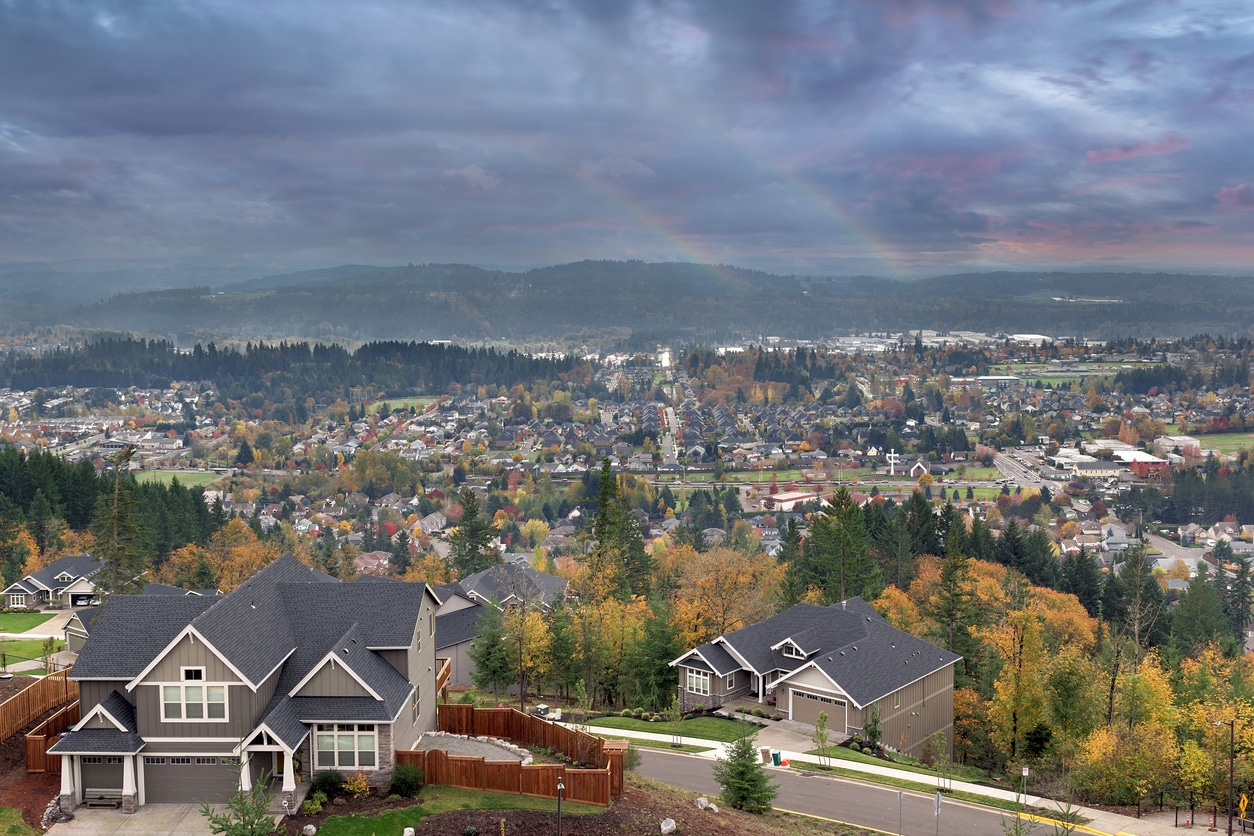
8 Things to Know About Living in Oregon Before Moving to Oregon
Here are seven things to consider about life in Oregon before deciding whether the Beaver State is right for you.
1. The cost of living can be high, but it depends on where you live
Oregon has a famously high cost of living, but, in truth, the specifics vary dramatically by location. To help you think about your potential move to Oregon and how to budget for moving services, let’s break down typical living expenses for three different locations. We’ll cover Portland, the most popular destination for newcomers, Bend, a smaller alternative to Portland, and Salem, the historic state capital:
Portland: Living costs overall are 7% below the national average in Oregon’s largest city. However, renters planning on moving to Portland can expect to pay more for other daily expenses, including groceries (7% above average), transportation (26.5% above average), and healthcare (7.6% above average).
Bend: Costs are 9% above the national average in this small city known for outdoor adventure. As with Portland, food and transportation are pricier than average, but healthcare here is more affordable than elsewhere in the United States.
Salem: Salem is cheaper than Portland and Bend, but housing is still 4.5% higher than the American average. Food is cheaper than elsewhere, but transportation (13.9% above average) and healthcare (17.9% above) are considerably higher.
What salary do I need to live comfortably in Oregon?
As with the cost of living, the salary to live comfortably in Oregon will vary depending on where you end up settling. Recent estimates have found that you’d need a little over $100,000 to sustain a modest standard of living for a single adult, but for a four-person family, this climbs to $261,000 — although no sales tax helps to offset living expenses.
2. The Oregon housing market is caught between rising demand and tight supply
Of course, if you’re planning on moving out of state, you’ll need to know a little bit about the housing situation in Oregon. The average home across the state in 2025 costs just shy of $497,000, which is down about half a percent since last year. Much of the high cost is driven by population growth and restricted supply, and whether future prices drop will depend on how these trends play out.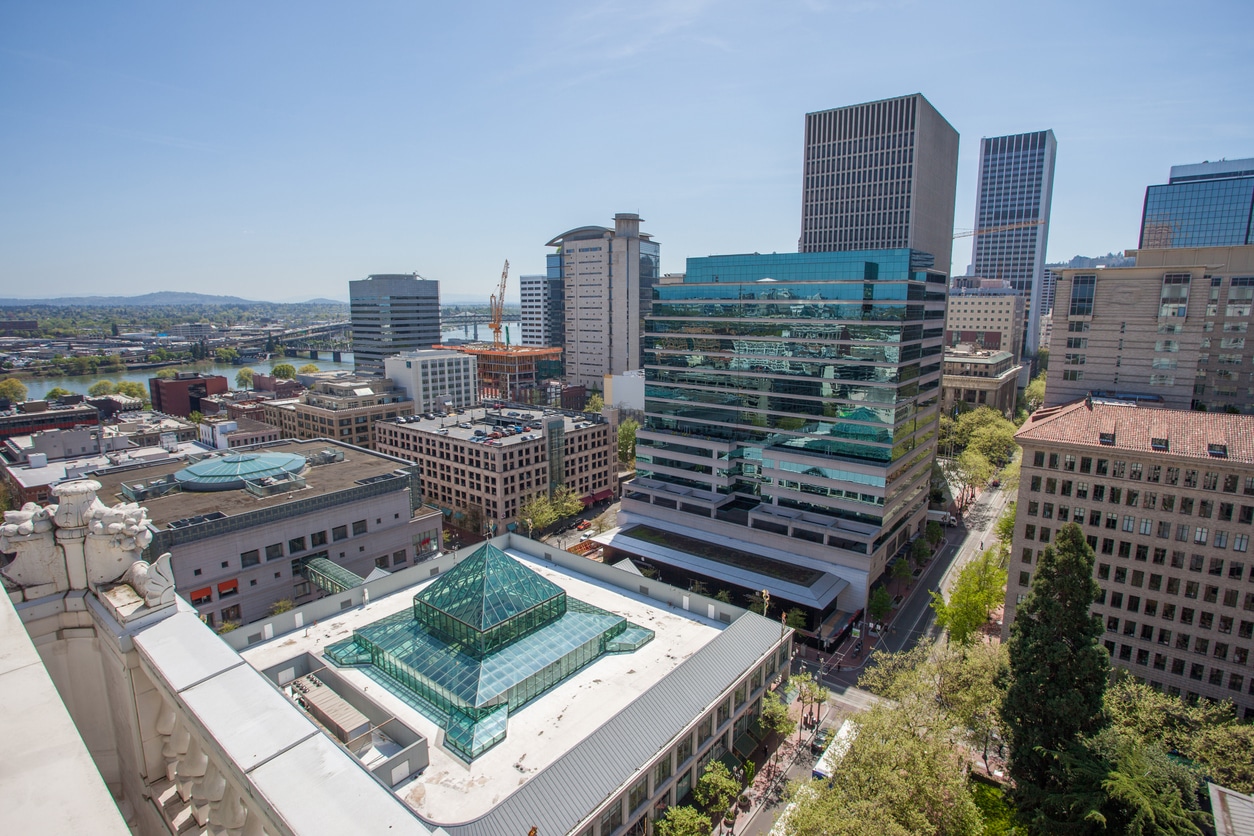
3. The Oregon job market has a mix of opportunities and challenges
The Oregon job market does have a fair bit of unemployment — 5% as of July — which is higher than in the rest of the United States, so you’ll need to consider that if you’re thinking about moving to Oregon. Salaries across most industries are comparable to what you’d find elsewhere, and Oregon’s top industries include high technology (e.g., semiconductors, biosciences), manufacturing, tourism, agriculture, and clean technologies).
4. The best places to live in Oregon depend on what you’re after, but they’re all perfect for nature lovers
Below, we’ll lay out three common spots that reflect different sets of values:
Bend is an outdoor enthusiast’s paradise, offering hiking and skiing (not to mention breweries, for when the hiking is done). Consider Bend if you enjoy getting out on the slopes, snow-covered or otherwise.
Portland is famously a cultural hub with a thriving arts scene and bike-friendly streets. You should think seriously about Portland if you enjoy urban living and searching out hidden aesthetic gems in tucked-away galleries.
West Linn is a great choice if you have a family. It’s a quiet suburb with strong schools, while also close enough to Portland to allow for quick getaways, summer camps, and the other amenities that come with proximity to big cities.
What part of Oregon is best to live in? It depends on what you’re after. Oregon has a great deal to offer, from beautiful outdoor scenery to art galleries, and from big cities to charming small towns. Figure out what things are most important to you, and you’re sure to find a spot in Oregon that’ll allow you to pursue them.
| Ready to make the move to Oregon? Get a fast, free moving quote from Colonial. |
5. Many consider moving from California to Oregon for lower taxes and a more laid-back pace of life
It’s common for people living in California to consider a move to Oregon; it makes sense, partly because the two states are neighbors.
But more important than proximity, Oregon’s cost of living tends to be lower compared to California’s, with its lack of sales taxes, lower housing prices, and lower gas prices. Some believe Oregon’s smaller population also gives the state a charmingly relaxed pace compared to its more frenetic neighbor to the south. Oregon is also wetter and rainier than most of California, which may be a drawback for some.

6. Oregon’s natural features draw people from all over the world
Oregon is famous for its breathtaking natural landscapes and all the outdoor magnificence they offer. Take, for example, temperate rainforests such as the Oswald West State Park, which offers a blend of ancient forests and views of the Pacific Ocean, just two hours west of Portland.
7. Portland gets fewer sunny days than Seattle
Oregon has a reputation for being exceptionally rainy, and this is exemplified by the fact that Portland, Oregon, gets fewer sunny days even than famously soggy Seattle.
It’s not all gloom, though. The rainy season in Oregon generally lasts from November to March, and the city enjoys long stretches of sunshine in the summer months of July and August. So keep that in mind if you’re planning a visit, and be sure to bring extra vitamin D if you plan to go in a rainier time of year.
8. Oregon is steeped in artistic history
From its early jazz scene in the 1920s to the rise of grunge-rock in the 1990s, Oregon has always been something of a musical epicenter. Today, it still shelters artists performing in these styles and many others, offering something for even the most eclectic music lover. Iconic spots like Portland’s Crystal Ballroom, festivals such as the Oregon Bach Festival, and institutions like the Portland Art Museum keep the state’s creative spirit thriving.

Pros and Cons of Living in Oregon
Having covered a lot of details about this slice of the Pacific Northwest, let's summarize some of the pros and cons for easy reference.
Pros of living in Oregon
Natural Beauty and Outdoor Activities: Oregon boasts breathtaking scenery, from the coast to the mountains and the Oregon Badlands, offering endless opportunities for hiking, camping, fishing, and skiing.
No Sales Tax: The state doesn’t have a sales tax, which can significantly lower overall consumer costs compared to other states.
Vibrant Food and Drink Scene: The state is known for its great food options, a thriving wine and craft beer scene, and an abundance of farmers markets.
Access to Water: With its long Pacific coastline, major rivers, and numerous lakes, Oregon provides excellent access to various water activities.
Bike-Friendly Culture: Oregon has a strong bicycle culture, especially in cities like Portland, home to extensive bike paths and a supportive environment for cyclists.
Rich Cultural Experiences: The state offers a dynamic arts scene, countless festivals, and vibrant city life, particularly in major hubs like Portland.

Cons of living in Oregon
- High Housing Costs: Housing costs are often higher than the national average, which can significantly impact affordability.
- High Income Tax: Oregon has one of the highest state income tax rates in the U.S., although this is balanced by having no state sales tax.
- Wet Weather: Much of the year is characterized by rain and overcast conditions, especially in and around Portland.
- Limited Job Opportunities: Depending on your field, you may find limited job opportunities in certain areas of Oregon. We noted above that Oregon’s job market is somewhat mixed, so it’s worth looking into your career prospects here before making a big move.
What is the downfall of living in Oregon?
Living in Oregon comes with challenges like high housing costs, which often exceed national averages, and frequent overcast weather, which can dampen (no pun intended) outdoor enthusiasm. Additionally, while the state’s job market varies by region and industry, some areas may lack diverse career opportunities, and higher income taxes can impact financial viability — although no sales tax helps.
Takeaway: Is Oregon a Good Place to Live?
If you crave nature, culture, and a thriving food scene — and don’t mind overcast skies or high urban rents — Oregon can be a great place to call home. Retirees, outdoors-lovers, and young professionals thrive here, but families may either face trade-offs in affordability or need to opt for a smaller Oregon town.