

Moving can be complicated. After all, you’re packing up your life, navigating logistics, and juggling a thousand little decisions — any one of which can go sideways in a hurry.
It’s no wonder 70% of Americans say they have regrets about their move, from surprise expenses to broken belongings to logistical snafus. But with a little bit of planning, you can easily sidestep a lot of potential speed bumps.
Here, we provide a roadmap through 11 of the most common moving mistakes and how to dodge each one.
Top 11 Common Moving Mistakes to Avoid
Budget missteps, packing errors… you name it. These moving mistakes can pile on stress, waste money, and slow everything down. But every mistake has a fix. Let’s tackle them together.
Moving Mistake #1: Not Budgeting Enough for Your Move
Moving costs climb quickly. Beyond the truck, you’ve got packing supplies, labor, storage, gas, meals, and sometimes even pet or childcare expenses to consider.
To ensure you’re adequately prepared, make sure you know how to calculate moving costs early and budget for the hidden costs most people overlook. Obtaining multiple quotes, asking the right questions, and using a few other budget hacks — like scheduling your move during the off-season — can also help you save in the long run.
Costs to include in your budget:
Packing supplies, including a hand truck and specialty boxes
Moving labor
Gas, tolls, and other travel expenses
Storage or temporary housing
Meals, pet care, or childcare during moving days
Extra padding just in case (we recommend at least 10%)

Moving Mistake #2: Not Decluttering Before Your Move
Decluttering may feel like an optional item on the to-do list, but skipping this step makes the entire moving process harder — not mention possibly more expensive. More stuff means more boxes, heavier loads, and a bigger truck, all of which can add up to higher moving costs. It also means unpacking clutter into your new home instead of starting fresh.
Decluttering is not only an opportunity to streamline your life but also a way to keep expenses down. You’ll save on labor and transport, and you might even earn back some cash by selling items.
Ways to declutter before a move:
Hold a yard or garage sale to sell unused items
Donate clothing, furniture, and household goods to local charities
Recycle or responsibly dispose of broken or outdated items
Digitize old paperwork and shred what you don’t need
Moving Mistake #3: Taking on More Than You Can Handle
Moving yourself may seem like an easy way to save money, but it might actually cost more in time, stress, and even physical strain (particularly if you’re hauling things up and down stairs). Heavy furniture, fragile items, and long-distance drives quickly turn a DIY move into an exhausting undertaking.
While a DIY move might work for some, keep in mind that full-service movers are better equipped to handle complex and long-distance moves. They have the tools, training, and trucks to handle and transport bulky and delicate items safely. Plus, if needed, they know how to pack fragile items for moving.
When a DIY move might work:
You’re making a small, local move with minimal furniture.
You have plenty of reliable help available.
You don’t mind renting and driving a truck.
You’re on a tight budget.
When to consider professional movers:
You’re relocating long-distance.
Your home has stairs or tight hallways.
You’re moving large or fragile items like pianos, antiques, or artwork.
You have children or pets needing attention on moving day.
You don’t feel comfortable driving a truck on your own.
| Ready to start planning your move? Get a fast, free quote from Colonial. |

Moving Mistake #4: Not Using a Moving Checklist
Moving comes with dozens of tasks, deadlines, and details. That means things naturally slip through the cracks. You might forget to schedule utility shut-offs, miss a change-of-address deadline, or pack essential documents in the wrong box.
A moving checklist keeps everything organized and on track. With a clear list, you can focus on the move itself instead of worrying about what you might have overlooked.
What to include on your checklist:
Scheduling movers well in advance
Filing a change of address with USPS and updating your billing info
Transferring or setting up utilities for your new home
Labeling boxes by room and contents
Keeping important documents and valuables separate
Moving Mistake #5: Creating an Incomplete Inventory
On top of a moving checklist, you need an inventory checklist for a smooth, organized move. An incomplete or missing inventory makes it nearly impossible to track your belongings and to support a damage-or-loss claim. Without a clear list, items can get lost in the shuffle, making it much harder to file a claim for damages. You might not even realize something is missing until weeks after the move.
In your inventory, list every box and major item, note what’s inside, and keep track of where it should go in your new home.
Pro Tip: Mark the contents of each box in detail as you go, e.g., “Kitchen – Microwave, coffee maker, kids’ cups.”
How to build a moving inventory:
Number each box and note its contents in a master list
Record large items like furniture and appliances separately
Mark high-value or fragile items for easy identification
Take before photos of valuables for documentation
Keep a digital copy of your inventory for easy access
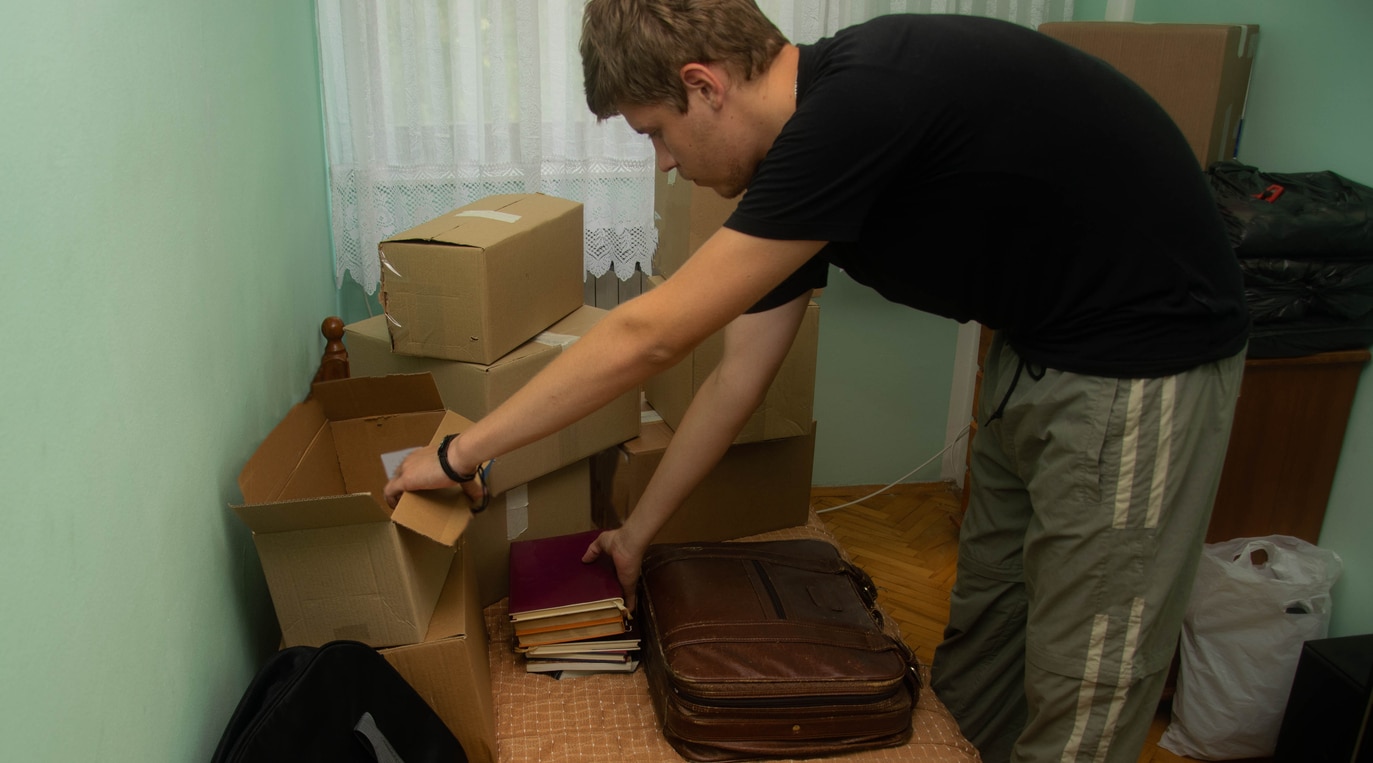
Moving Mistake #6: Packing Inefficiently
Packing is one of the most time-consuming parts of a move. Do it the wrong way and you create stress on both ends of the moving process. Examples include overstuffing boxes, mixing items from different rooms, or failing to protect fragile belongings.
Thankfully, moving packing mistakes are easy to avoid. Efficient packing saves time, money, and frustration. A little organization upfront pays off in a big way once you’re unloading at your new home.
Smart packing tips:
Use small boxes for heavy items and large boxes for lighter belongings
Spread out heavy items like books across several boxes to avoid breakage or back strain
Pack room by room to stay organized
Label each box with its destination and contents
Cushion fragile items with bubble wrap, packing paper, or linens
Moving Mistake #7: Forgetting To Pack Your Essentials Bag
It’s easy to get caught up in boxing up your entire home and forget the one bag that matters most on moving day: your first-night bag. Without essentials set aside, you may find yourself digging through dozens of boxes just to find your toothbrush or that pesky phone charger.
Think of your essentials bag (or box or suitcase) as your personal survival kit for the transition. Having everything you need in one place makes settling in easier and prevents those head-scratching “where did I pack that?” moments.
What to include in your bag:
A change of clothes and basic toiletries
Important documents
Medications and first-aid items
Chargers for devices
Snacks and water
Cash for tips or tolls
Your keys, wallet, and any other valuables you don’t want on the truck
Pet bowels and food
Shower rod and curtain
Linens and towels
Moving Mistake #8: Declining Moving Coverage
Even with professional movers, accidents happen. Skipping moving coverage leaves you liable for repairs or replacements if items are lost or damaged in transit. For cross-country moves, especially, that risk is too big to ignore.
Know your options before moving day. Interstate movers are required to offer two levels of protection: released value protection, which covers items at a low flat rate per pound, and full value protection, which pays to repair, replace, or reimburse for the full value of the item. You can also opt for third-party moving insurance.
Tips for choosing moving coverage:
Review the coverage levels offered by your moving company
Compare costs of released value vs. full value protection
Ask your homeowners or renters insurance provider if moving is already covered
Take photos of high-value items before the move for documentation
Consider additional coverage for antiques and other valuables
Moving Mistake #9: Putting Off Your Change of Address and Utilities
Waiting until the last minute to update your address and transfer utilities can result in serious headaches. Mail may end up at your old home, bills could go unpaid, and you might arrive at your new place without electricity, water, or internet ready to go.
Updates to complete before moving day:
File a change of address with USPS
Update billing addresses with banks and credit cards
Notify insurance companies and subscription services
Schedule shut-off and activation dates for utilities and internet
Moving Mistake #10: Hiring a Moving Company Just Because They’re Cheap
If an offer from a moving company feels too good to be true, it usually is. These companies know moves can be stressful, and they might take advantage of that. From bait-and-switch tactics and hidden fees to costly damage caused by inexperienced crews, unsuspecting customers might end up paying more than they bargained for.
To avoid this moving mistake, research reviews, verify licenses and insurance, and get everything in writing before signing a contract. A reputable moving company will provide an estimate in writing, offer coverage options, and communicate openly about potential extra charges.
What to look for in a moving company:
Positive customer reviews and industry reputation
A USDOT number and proper licensing
Proof of insurance coverage
Transparent, written estimates without vague charges
Clear communication about services offered and what’s included
Moving Mistake #11: Not Taking Care of Yourself During the Move
In the rush to pack and move, it’s easy to forget about something fundamental — your own well-being. Skipping meals, losing sleep, or pushing through without breaks can (and will) leave you burned out and more likely to make mistakes.
Taking care of your health and emotions is just as important as wrapping dishes or booking movers.
Self-care tips during a move:
Schedule regular breaks while packing and loading
Keep healthy snacks and water accessible
Get enough sleep before and after moving day
Plan time for goodbyes with people and at places that matter to you
Delegate tasks when possible so you’re not carrying the load alone
FAQs: Moving Mistakes to Avoid
Q: Is it normal to feel regret when moving?
A: Yes, many people experience regret after a move. The stress of the process, unexpected costs, or missing familiar places can make you second-guess your decision. If you find that you regret moving , give yourself time to adjust. Focus on building new routines, getting to know your new community, and making your new space feel like home.
Q: Is $20 enough to tip movers?
A: Knowing how much to tip depends on the job. Generally, for small or local moves, $20 per mover may be reasonable. For longer or more demanding jobs, a better guideline is 15–20% of the total bill or about $4–$5 per mover per hour.
Q: What to not let movers pack?
A: Movers generally can’t transport hazardous or perishable items. That includes propane tanks, aerosols, cleaning chemicals, fresh food, plants, and personal documents. Keep essentials and valuables — like passports, jewelry, and medication — with you.
Q: What should you throw away when moving?
A: Get rid of anything that’s expired, broken, or not worth the cost of hauling. This includes old food, outdated electronics, worn-out furniture, and unused toiletries. Decluttering before a move lightens the load and saves on moving costs.
Avoid Moving Mistakes by Choosing Colonial
With the right planning and a little foresight, you’ll be in a much better position to settle into your new home without unnecessary setbacks.
For peace of mind, consider working with professionals who do this every day. Colonial Van Lines has more than 50 years of experience handling long-distance relocations and completes over 12,000 moves each year. Our experts make the process as smooth as possible. Start planning your move today with a free quote.