


Moving without a job may seem risky, but it’s a lot more common than you might realize. Some people move without a job to pursue better career opportunities. Others want a lower cost of living. For many people, it may simply feel like time for a change.
Whatever is motivating your move, moving to another state without a job can be a positive and practical decision when you approach it the right way. That said, it’s critical you have an airtight plan in place.
To help you get started, we’re covering everything you should do before moving to a new city without a job. We’ll cover tips on budgeting for the move, finding housing, job hunting, relocation incentives, and a few other bits of practical advice, so you can turn this move from a potentially stressful experience into an exciting, successful one.
Is It Smart To Move Without a Job?
Whether moving without a job is a smart decision will depend largely on your individual financial situation, career field, and other reasons for relocating.
For some people, moving to a new state offers access to better job markets, lower living costs, or a higher quality of life. Many industries are also more likely to hire candidates who are already physically located in the area.
But keep in mind: Moving without a job should be a calculated risk, not a reckless one. So how do you move to another state without a job, realistically? The key is to reduce uncertainty where you can before relocating — and not to move impulsively. This looks like: thoroughly assessing your savings, understanding your monthly expenses and budget, and developing a realistic plan for securing a stable income after the move.
Here’s a quick overview of the main pros and cons of moving without a job:
Pros of Moving Without a Job | Cons of Moving Without a Job |
|
|
How To Move to Another State Without a Job
Successfully navigating how to move to another state without a job really comes down to preparation. Here are the steps you should take to help the process go smoothly.

1. Prepare financially before moving to a new city without a job
Financial preparation is the single most important thing you should focus on when moving without a job. The more financial stability you create before relocating, the more options you'll have after you arrive.
Build a large emergency fund
Many experts recommend saving at least six months of living expenses before relocating. This should include:
Rent and utilities
Food and transportation
Health care costs
Cell phone and internet
Emergency expenses
Job search expenses
Research the true cost of living in your new city
Many people underestimate just how much costs can vary between different cities and states. If you’re still trying to figure out where you should move, compare:
Average rent prices
Utility costs
Transportation expenses
State income taxes
Grocery costs
Insurance rates
Account for every moving-related expense
People tend to overlook the fact that moving costs often extend beyond just the moving truck and transportation. Your moving budget should also account for things like:
Security deposits
Utility setup fees
Storage expenses
Travel costs like gas and hotel stays
Furniture purchases
Temporary housing
Prepare for health care and insurance costs
Health care is one expense that’s easy to overlook when moving without a job. If you're leaving an employer-sponsored health plan or have health coverage tied to your current state, make sure you have a plan in place to cover any gaps during your move.
Take some time to compare your options, including:
COBRA coverage through your former employer
State-specific health care programs
Need help getting organized for your move? Check out our detailed moving checklist. |
2. Make smart housing choices when moving without a job
Finding housing will likely be your biggest challenge when moving to another state without a job.
Here are a few things you can do to make the transition easier.

Consider living with roommates, friends, or family
Sharing housing can lift some of the financial burden while you’re getting settled and starting to look for work — even if it’s just a temporary arrangement.
Splitting the rent with someone else means:
Lower monthly rent
Reduced utility costs
Smaller security deposits
Additional financial flexibility to spend on other things
Leverage temporary housing
When you’re brand new to a city or state, immediately jumping into a long-term lease might not be the best idea. Consider looking into temporary housing instead. This can buy you more time to learn the area, evaluate neighborhoods, and assess in real time what you can realistically afford monthly. It also gives you the flexibility to move closer to a future employer without breaking a lease.
Temporary housing options might include:
Month-to-month rentals
Furnished apartments
Extended-stay hotels
Short-term sublets
Staying with a friend or family member
Prepare an alternative proof of income
Many apartment communities require employment verification, but that doesn't necessarily mean you're out of options if you’re moving without a job. Generally, private landlords — rather than large corporate property management companies — are more likely to accept alternate proof of income, like:
Savings account statements
Investment account balances
Job offer letters
Freelance income documentation
Co-signers or guarantors
3. Keep important documents accessible during the move
During a move, especially when moving out of state, make sure to keep all your important paperwork with you rather than packing it in the moving truck. The documents you should keep on-hand include:
Birth certificate
Social Security card
Driver's license (or government-issued ID)
Passport
Bank statements
Tax returns and W-2s
Insurance information
Medical records
Resume and cover letter
These will make it easier for you to land a new place without a job — and secure a new job as well — in your new city.
Tip: Store digital copies of all your critical documents in a secure cloud account. |
How to find employment after moving without a job
If you're moving to a new state without a job, treating your job search like a full-time position from day one will be the best way to find work quickly. Fortunately, there are several ways to accelerate the process. Here are 8 things you can do to find work during your moving process:
Refresh your resume and begin applying for positions — even before your move.
Update your online profiles with your new location once you know where you’ll be living.
Indicate on your LinkedIn profile that you’re “open to work.”
Use multiple job boards when searching for jobs instead of relying on a single source.
Reach out to your network and connect with recruiters who specialize in your industry.
Attend local networking events in your new city.
Join local community groups or business organizations.
Consider contract work, freelancing, consulting, or even volunteer opportunities in the interim.
What Cities Pay You To Move There Without a Job?
Several cities in the U.S. actually offer financial incentive programs for people willing to move there. Many of these programs are specifically designed for remote workers or professionals who plan to contribute to the local economy, but they can still make relocating more affordable for any new resident, regardless of circumstance.
If you're looking to get paid to move without a job already lined up in your new city, these programs may be worth exploring.
Hamilton, Ohio: Talent Attraction Programs
Hamilton, Ohio, has periodically offered incentive programs to attract new residents and skilled professionals, including the Talent Attraction Program (TAP), which awards “reverse scholarships” to recent college graduates who move to and work in the city.
Northwest Arkansas: Life Works Here
Northwest Arkansas has offered relocation incentives that include cash awards and outdoor recreation benefits, like a free road or mountain bike, for qualifying applicants moving to the region. The organization also has an extensive database of companies hiring locally.
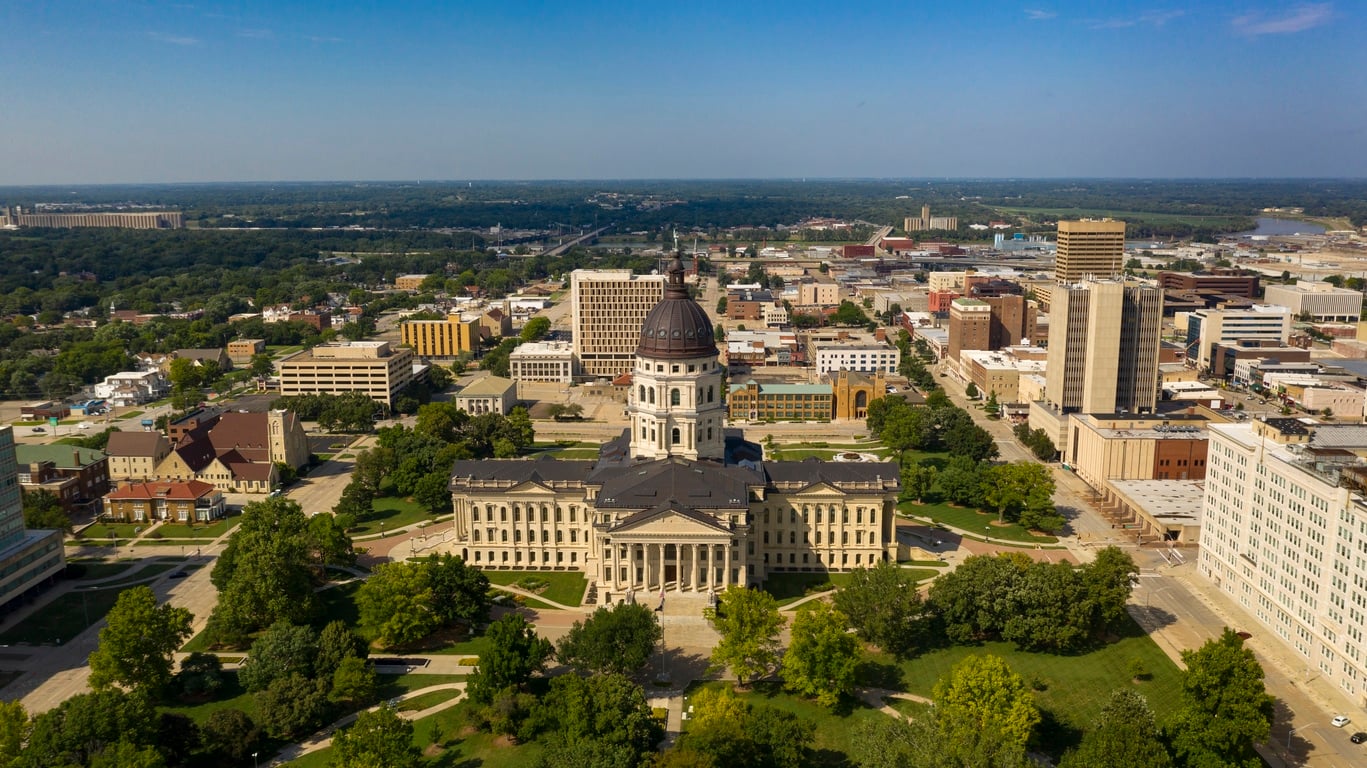
Topeka, Kansas: Choose Topeka
Choose Topeka offers a relocation assistance program that includes a substantial financial incentive, housing-related perks, and networking opportunities for anyone relocating to the area.
Morgantown, West Virginia: Ascend WV
Ascend WV also provides relocation cash incentives, outdoor recreation perks (like free skiing, rafting, and climbing gear rentals), and other opportunities for eligible participants moving to West Virginia.
Tulsa, Oklahoma: Tulsa Remote
Tulsa Remote currently offers eligible remote workers cash incentives via grants, community programming, and coworking opportunities to encourage more relocations to the city.
Moving Without a Job FAQs
Can I move to another state without a job?
Yes, plenty of people successfully relocate to a new state before securing a new job. To do this without added stress, though, make sure you have savings you’re okay dipping into, flexible housing plans, and a clear and specific job-search strategy.
How much money should I save before relocating?
When it comes to saving money, the more you have piled up, the better — especially if you’re entering a competitive job market. A good, tangible goal is to move with at least six months of living expenses saved, plus a little extra for moving costs and emergency funds.
Is it difficult to rent an apartment without employment?
It can be more challenging to rent an apartment without proof of employment, but many landlords will consider alternative documentation as proof of income, such as savings statements, freelance income records, offer letters, or co-signers.
Can cities really pay people to move there?
Yes, several cities and states offer relocation incentives designed to attract new residents, entrepreneurs, and remote workers. That said, program requirements vary significantly and individual programs can change regularly, so make sure to do your research and carefully review current eligibility guidelines before making any set plans.

Why Colonial Van Lines Is a Smart Choice When Moving Without a Job
When you're moving without a job lined up, you’re already dealing with a lot of pressure and uncertainty. The last thing you need is added stress from damaged belongings, logistical complications, or added delays during the move.
That's where we can help. At Colonial Van Lines, we specialize in long-distance moving services. Our movers receive extensive hands-on training through CVL University, where they learn best practices for:
Packing and protecting household items
Safe lifting and loading techniques
Proper interstate transportation and handling procedures
Reducing the risk of damage during transit
Our goal is to simplify the moving process so you can focus your energy on settling into your new community and starting your job search. If you’re looking for full-service relocation support, including packing services and storage options, working with our team at Colonial can help reduce costly mistakes and protect your possessions during transit, no matter where you’re going.
Start Your Move With Colonial
Moving without a job isn't necessarily easy, but it can be a smart decision when you go about it thoughtfully. Professional moving help can also simplify the process and reduce the logistical burden during such a big life change. Whenever you're ready to start your move, whether you’re relocating for a job or still looking for one, Colonial Van Lines is here to help. Our experienced long-distance moving team can help you with any interstate relocation in the country, so you can focus on the next chapter in your career—and life.
Get a fast, free quote today!