

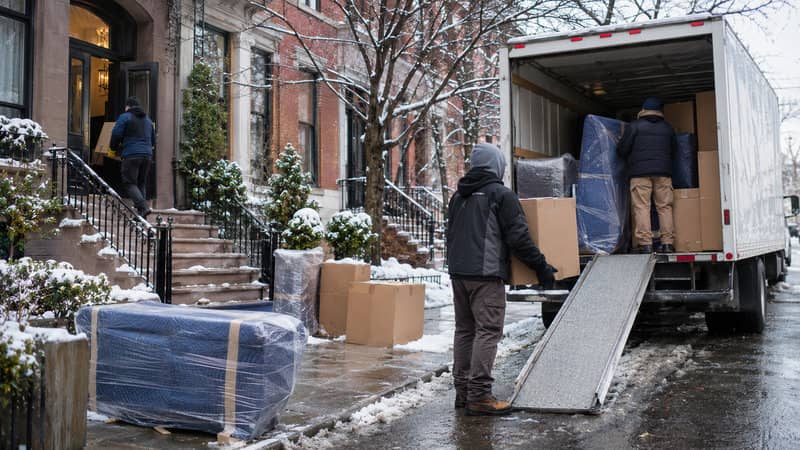
You’re watching the forecast, and the snow squalls upstate and icy mornings in the city have you wondering how your move will go. That’s a normal worry. Winter weather can affect your pickup window and how your belongings travel, but none of it has to derail your move.
Winter is also one of the more flexible times of year to book. Fewer households relocate between December and February, so you often have more dates to choose from. The trade-off is that winter weather adds a few variables you’d never have to think about with a July move.
Here’s what to weigh before you lock in a date.
How New York Winters Shape Your Timeline
A move that starts in Buffalo looks very different from one that starts in Manhattan once the temperature drops. Upstate counties see regular snowfall and the occasional lake-effect storm that closes roads for hours. The Adirondacks and Southern Tier often hold onto ice long after the storm has passed elsewhere. Even downstate, one nor’easter can slow highway traffic across several states at once.
Your belongings travel by truck over long distances, often through more than one weather system. A route that takes two days in June might need an extra day of buffer in January, especially across the mountains of Pennsylvania or New England, where conditions change fast with elevation. Icy roads mean lower speeds and more careful driving. That’s the right call for safety, even though it adds time.
A winter move takes the same planning as any other, with a few seasonal tweaks. A driver who covers a route in one long stretch during summer may split it into shorter days in winter and stop early to stay ahead of a storm.
The forecast you see at booking can also look very different by pickup day, so ask your mover early how the season affects your specific route, not just their general policy. Experienced long-distance movers in New York build this into your timeline from the start, so you won’t be left guessing.
Give Your Dates Some Breathing Room
A tight, one-day pickup window works fine in mild weather. But because winter is less predictable, a little flexibility goes a long way. Ask whether your mover offers a pickup and delivery range instead of one fixed date. Also ask how they’ll reach you if a storm shifts the schedule. A crew that says they’ll call you the evening before with a confirmed window gives you something solid to plan around.
Deadlines make this even more important. For example, imagine you’re closing on a house in Ohio in late January. Ask for delivery a few days ahead of closing instead of on the same day. That cushion leaves room for a storm to pass through without turning closing day into a scramble.
The same goes for a new job start or a school calendar. A few extra days between your move and any hard deadline takes the pressure off.
How Crews Protect Your Belongings From Cold and Moisture
Cold weather changes a few things for your crew. Snow and slush get tracked into the truck at every stop. Temperature swings between a warm home and a cold truck bed can affect certain materials over a multi-day haul.
A good crew handles this with the same care they bring to every move, adjusted for the season. They wrap furniture and electronics in moisture-resistant materials and pad wood pieces to cushion them against temperature changes in transit.
They also flag boxes holding anything sensitive to cold, like liquids, paint, or electronics. This way, your most sensitive belongings are handled or stored the right way along the route. That care gives your belongings the best shot at arriving just as they left.
You can help on moving day, too. Clear your driveway and walkway of snow and ice before the crew arrives. Tell your moving coordinator about any steep steps or tight entries ahead of time. These small details help the crew work faster and keep everyone steady on their feet.
Use the Off-Season Calendar to Your Advantage
Winter has one clear edge over June: availability. Fewer households move between the holidays and early spring, which typically means more open dates and less competition for the pickup window you want. Late January and February often give you the most choice over your exact moving day.
Holiday timing is the exception. The stretch from mid-December through New Year’s is often the tightest part of winter, since many households rush to finish before the holidays or wait until they’re over. Book a few weeks on either side, in early December or mid-January, and you’ll likely find more openings while still enjoying the off-season advantage.
Questions To Ask Before You Book
A short conversation with your interstate moving company can settle most winter concerns before you commit to a date. Ask these four questions:
- How does winter weather affect your pickup and delivery windows? A clear, specific answer here is a good sign.
- What happens if a storm delays the truck? You’ll want the communication plan, not just the policy.
- Do you take extra steps for wood furniture or electronics in cold weather? This shows how much the crew adjusts for the season.
- Is there flexibility on my pickup date? This matters most when your move is tied to a firm deadline.
Clear, confident answers tell you you’re talking with a team that has handled winter moves before.
Confidently Plan Your Winter Move
A cold-weather move out of New York isn’t something to put off. Ask about timing, build in some flexibility, and choose a crew that treats winter as a normal part of the job. A little planning up front makes the whole move feel lighter.
At Colonial Van Lines, we have decades of experience moving families out of New York in every season. With our teams, your belongings are in trained hands from the first box to the last. Reach out for a free quote, and we’ll help you plan around the weather.