

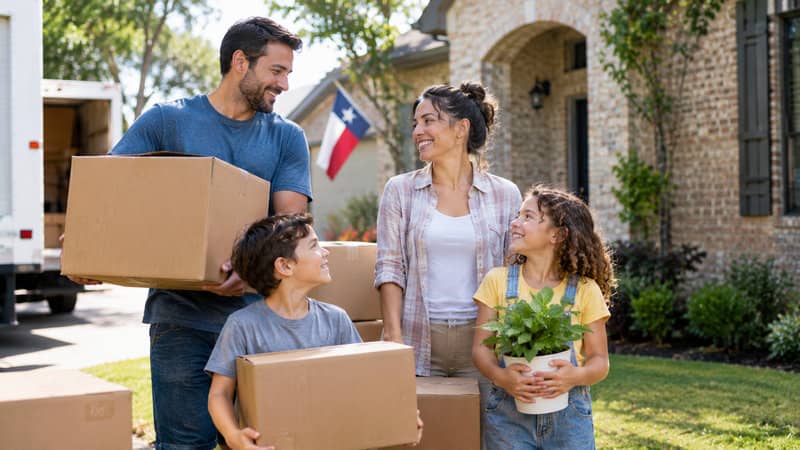
The boxes are packed, the truck’s about to roll, and you’re already wondering what Texas will feel like. Maybe you’ve picked a mover. Maybe you’re still comparing moving companies from Florida to Texas. Either way, turning a new place into a home starts earlier than most people expect. It begins before the truck pulls away and keeps going long after the last box is unpacked.
The two states have a very different character, and feeling out of place is completely normal. A little preparation now and a little patience later make the adjustment feel lighter. Here’s how to handle both stages.
Start Before the Truck Pulls Out
Settling in doesn’t have to wait for delivery day. While you’re packing, spend a few evenings getting to know your new area from your couch. Look up your neighborhood on a map, scroll through local event pages, and check what the weather usually does in each season. You’ll arrive with a mental picture instead of a blank slate.
Then make a short list of what you’ll need during your first week: a grocery store you like, a pharmacy, a coffee shop, a park, and a route to work or school. You don’t have to commit to any of them. Just knowing where they are makes the first few days easier. Small logistics like these add up faster than people expect, and a handful of familiar places gives a new area a sense of routine much sooner.
Hire Interstate Movers To Make the Transition Easier
A good mover does more than carry boxes. The right team can ease the adjustment both during and after the move, and it starts with a plan.
A high-quality moving coordinator can walk you through your timeline, including pickup, your delivery window, and what to expect when the truck arrives. That knowledge makes all the difference when your new home isn’t quite ready or your closing date and delivery day don’t line up.
Interstate moving and storage can bridge that gap. Your belongings can wait in climate-controlled storage until you’re ready for them, so you aren’t squeezing a delivery into a half-ready house.
Packing support helps, too. A crew can pack fragile or awkward pieces and handle furniture disassembly and reassembly, so your bed and dining table are ready to use on day one. Label boxes by room. Keep an essentials box with bedding, basic kitchen items, and toiletries within reach. That makes your first night comfortable and lets you unpack room by room instead of digging through everything at once.
Ask your coordinator how you’ll get delivery updates while the truck is on the road, and who you should call with questions. Knowing your point of contact makes the miles in between feel a lot calmer.
Expect Different Distances and a New Rhythm
Part of the adjustment is practical. Florida’s flat coastal sprawl gives way to the wide-open scale of Texas. Towns and neighborhoods are often much more spread out than the coastal grid many Floridians are used to. A grocery run or coffee stop that used to take a few minutes may take longer. Even highway driving can feel different, with more distance between exits. Test-drive your new routes during your first week so everyday errands don’t catch you off guard.
The pace of daily life shifts, too, and what that looks like depends on where you land. If you settle in Houston, Dallas, or Austin, you’ll be far from Florida’s coastal rhythm. In these areas, you’ll get faster, big-city energy, with more traffic and a broader mix of neighborhoods to explore. But pick a smaller Texas town, and you’ll often find a slower pace and a close-knit feel, where local businesses and neighbors are easier to get to know.
Weather adds its own twist. Florida humidity is a familiar discomfort, but Texas weather varies by region. Depending on where you land, summers may run hotter and drier, and a winter cold snap can surprise newcomers. Take note of how locals dress and plan their outdoor time.
Neither pace is better than the other. Notice which one you landed in, and give yourself permission to adjust instead of expecting your old rhythm to carry over.
Lean Into Texas Culture
Culture is one of the most noticeable differences for anyone moving in from out-of-state. Texas’s identity is easy to enjoy once you lean in with it. Local traditions run deep, from high school football on Friday nights to state fairs, rodeos, and a new barbecue style in every region. Even small things, like how people greet each other in line at a store, can feel different from what you’re used to in Florida.
Community events are a fast way in. Farmers markets, neighborhood block parties, and local festivals are common across Texas and tend to welcome newcomers. Say hello to someone on your street, or strike up a conversation at a local shop. A neighborhood app or local community group is an easy way to find out what’s happening nearby, from a weekend market to a volunteer event.
Build Your New Network
Meeting people takes more effort after a move than it does when you’ve got years of context in a place. Coworkers, neighbors, and other parents at school pickup are often the easiest starting points, because they come with a built-in reason to talk. From there, local gyms, hobby groups, and recreational sports leagues are common ways Texans connect outside of work. A quick search or neighborhood app turns them up fast.
Libraries and community centers are worth a look, too. Many host book clubs, classes, and other events built for people looking to meet others nearby. None of it has to feel like a big commitment. One class or a single Saturday morning at a local event is often enough to start recognizing familiar faces the next time you go.
Give Your Routines Room To Rebuild
You’ll want everything to feel settled right away, and that’s natural. Routines take time to rebuild after any long-distance move. The grocery store you know by heart, the shortcut that saves 10 minutes, the coffee order the barista remembers: none of that happens on day one. Give it a few weeks, or even a couple of months.
Curiosity speeds things up. Try a new restaurant instead of defaulting to something familiar. Show up to a local event even if you don’t know anyone. Ask a neighbor for a recommendation.
Small habits build faster than big ones, so a regular Saturday morning at the same farmers market or a standing coffee order at the same shop can do more for your sense of home than one big weekend of sightseeing. If you let the differences between Florida and Texas become part of what you like about your new place, the whole transition feels different.
Home Takes Time, Not a Deadline
Feeling at home doesn’t happen the day you arrive, and it doesn’t need to. Between the drives, the pace, and the culture, a move from Florida to Texas comes with real adjustments. But none of them are permanent obstacles. Give it a season, not a deadline, and the shift tends to happen on its own.
At Colonial Van Lines, we have decades of experience helping families move between states, from packing and storage to delivery. Reach out for a free quote, and we’ll help you plan a move that sets you up well for settling in.