

If you’re moving from a house to an apartment, you’re likely anticipating some big changes to your lifestyle. For many people, this kind of transition comes with other life events — a change in income, relationship status, or household size — and it’s natural to wonder how your daily routine, storage needs, and living habits might need to adapt.
Regardless of your situation or reason for downsizing, taking time to think through the details and potential hurdles early on can help ensure the important logistics of your move don’t become an afterthought. That’s why we’ve put together this comprehensive, step-by-step guide packed with tips for moving from a house to an apartment.
We’ll walk you through everything from budgeting and deciding how much space you need to decluttering, packing, and adjusting to apartment living after a house. You’ll also find answers to common questions and practical tips to help you navigate this change with a solid plan — and some extra peace of mind.
Step 1: Budget Before Moving to an Apartment
The first item on your agenda should be taking a close look at your full financial picture. Saving money is one of the most common reasons for moving to an apartment, but if you're used to living in a house, you may not be aware of some of the extra costs that can come with apartment living.
Check for extra fees
Beyond the standard application fee, look for extra fees early on, especially if the apartment is offering a generous move-in deal (such as a free first month of rent). You may have to pay other costs upfront, like administrative fees, background checks, security deposits, or pet fees.
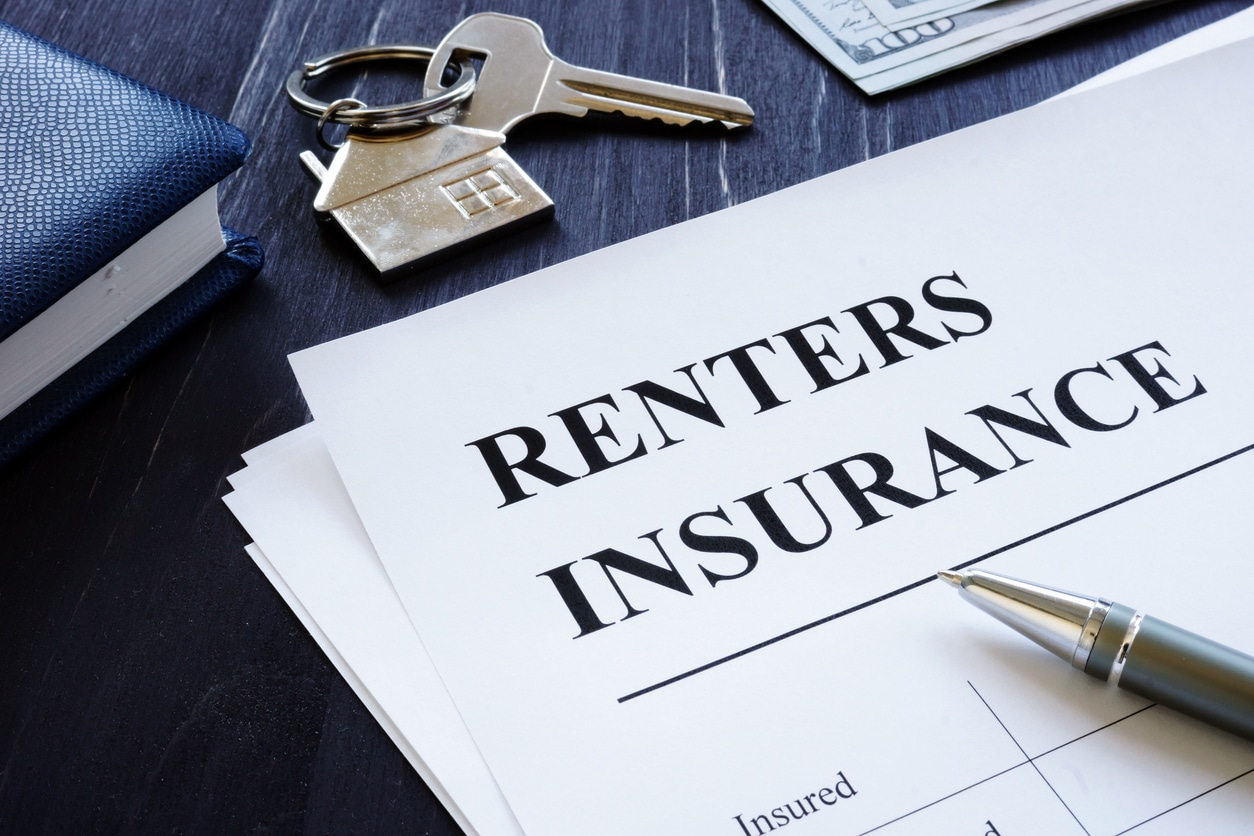
Look into renters insurance
Many apartment complexes require renters insurance, which can cost an average of $23 per month. Even if it isn’t mandatory, it’s a worthy investment — an apartment’s insurance usually only covers the building, not your belongings, and even the most well-maintained buildings aren’t immune from accidents or natural disasters.
Consider a storage unit
If you’re downsizing to an apartment and have items that you can’t part with but don’t have room for, consider whether you'll need to rent a storage unit. If you do intend to use moving storage services, make sure to factor that cost into your budget.
Review recurring monthly charges
If utility charges like electric, water, gas, or trash service aren’t included in your rent, ensure you’ve factored those into your planning — along with any deposits or fees required to start service. The same goes for internet and cable service, which can add more to your monthly housing costs than you might realize.
What is the 30% rule for apartments?
The 30% rule is a budgeting strategy that recommends against spending more than 30% of your gross income per month on rent. Say you earn $5,000 a month (before taxes or deductions) — using this approach, your rent budget would ideally be around $1,500.
This isn’t an exact science (especially in competitive housing markets where prices are at a premium), and it doesn’t work perfectly for everyone, but it can give you a solid baseline to aid your search.
Questions to ask when moving into an apartment
There are quite a few questions to ask before entering a short-term lease, but here are the top 6 you should definitely bring to your potential landlord or property manager as soon as possible:
Are there move-in fees?
Is renters insurance required?
What utilities are included?
What is the parking policy? Is a permit required?
Are there restrictions on pets?
Are there policies on guests?
Step 2: Downsize Before Moving From a House to an Apartment
Once you’ve found a place that fits your needs and budget, it’s time for the next big question: what’s actually going to fit inside of it? One of the biggest adjustments when moving into a high-rise or any other style of apartment is dealing with less space, which is why downsizing is so important.
Getting rid of things you don’t need is a smart move for anyone about to relocate, but it’s especially important when you’re moving into a much smaller space. Downsizing to an apartment can be stressful and emotional, but it also means less money spent on the move itself and more space to breathe once you’re settling into your new home. Here are a few downsizing tips for moving from a house to an apartment to make the process a little easier.
Review floor plans in advance
When you’re moving to a smaller space, you have less room for guesswork when it comes to furnishing and organizing. But if you can get access to floor plans and measurements ahead of time, you can know exactly what will fit into your apartment and where it can go.
Pro Tip: Try using a room design app so you can experiment with layouts and furniture dimensions without the physical labor.

Before you move, measure these 5 things
Your room might technically be big enough to hold your bedroom furniture, but will your double dresser fit through the door? You should know the following measurements before determining what to bring to your new place:
Exterior and interior doorways
Stairwells
Elevators (doorways, interior dimensions, and weight capacity)
Parking and loading areas
Hallways
Closet dimensions

Decide what to keep and what to toss
Give yourself plenty of time to declutter — six to eight weeks before moving day, if possible. Going room to room, sort your items into categories:
Keep/Pack
Sell
Donate
Trash
Store
Even if you’re moving from a place with the same number of bedrooms, or bathrooms, keep in mind that apartments usually have fewer storage spaces and a smaller footprint than most houses. And without areas like garages, sheds, attics, or patios, things like lawn equipment, extra storage bins, and outdoor furniture probably won’t make sense to keep.
As a general rule, aim to downsize about 30% of your belongings to account for the adjustment.
Once you know your apartment’s dimensions, some decisions become easier. That oversized sectional or extra storage cabinet may simply not fit. For everything else, having a system for deciding what to hold on to can make the downsizing process much less overwhelming.
| Ready to make the move to an apartment? Get a fast, free quote from Colonial. |
Step 3: Plan for Small-Space Apartment Living
Moving to an apartment can drastically change your daily routine — which might take some getting used to. You’ll likely have less living and storage space, share walls with neighbors, and may need to adjust to things like limited parking or community rules.
On the plus side, living in an apartment after a house typically means less maintenance, access to amenities like pools or fitness centers, and a simpler, lower-maintenance lifestyle overall. While downsizing and adapting to a smaller space can be challenging at first, knowing what to expect from your new home — and taking steps to make the most of it — can help you adapt before, during, and after your move.
Tips for moving from a house to an apartment
Make your furniture work for you: Invest in pieces with built-in storage or modular features, like a bedframe with drawers, to get the most out of your budget and space.
Go vertical: Your walls can accommodate more than you think. Implementing solutions like shelving, racks, and hooks can free up precious floor space.
Scan and digitize: Consider ditching the file cabinet by scanning and shredding any documents you no longer need or can readily access online.
Be nice: You don’t have to become friends, but saying hello to your neighbors goes a long way in cultivating a friendly, comfortable environment.
Adapt to extra noise: if the sounds of shared space are making it hard to concentrate or sleep, consider incorporating headphones, earplugs, or white noise into your routine.
Step 4: Prepare for Moving Day
When it comes to moving, the more you plan ahead, the more likely your experience will run smoothly the day of. As you prepare for apartment living after a house, keep these tips in mind (your future self will thank you):
Label moving boxes on all visible sides with the room they belong in.
Pack a separate box of essentials, including toiletries, chargers, pet supplies, important documents, and a change of clothes that you can easily access on day one.
Coordinate all the moving-day logistics, like parking, loading, elevator use, and gate access, with your apartment management team.
Update your address with USPS, transfer utilities, and schedule your wifi setup (if needed).
Hire experienced full-service movers to save you time and energy.
Downsizing to an Apartment: FAQs
Is apartment living cheaper than owning a house?
Living in an apartment is often cheaper than owning a house. Not only is there less space to maintain, furnish, and decorate, but renting an apartment means you’re not accountable for as many ongoing expenses as homeownership — such as repairs, maintenance, and property taxes.
How much money should I save before moving into an apartment?
A good rule of thumb is to save at least three to four times your monthly rent before moving. This can help cover extra upfront costs like your security deposit, first month's rent, moving expenses, and utility setup fees. If you're moving long-distance or fully furnishing your new apartment, you may want to set aside more savings to give yourself a bigger financial cushion.
Is $3,000 enough to move into an apartment?
$3,000 may cover your move-in costs in a lower-cost market like San Antonio, where the average rent for a one-bedroom apartment is $905. But if you’re looking to move to a higher-cost area like Seattle, where a one-bedroom costs about $1,753 per month, $3,000 won't cover the upfront costs associated with renting an apartment, which can total several months' worth of rent when security deposits and other fees are included. Before setting your budget, research average rental rates in your destination city and factor in deposits, utility fees, transportation costs, and any furniture or household items you'll need after moving in.
Need a little more help planning your move? Check out our apartment moving checklist. |

Why Colonial Van Lines Is Great for Moving From a House to an Apartment
Moving from a house to an apartment often involves more than simply transporting your belongings from one place to another. You'll likely be downsizing, sorting through years of accumulated items, coordinating move-in logistics, and adjusting to a completely different living space. That's why working with professional movers can make a world of difference.
At Colonial Van Lines, we pride ourselves on our extensive experience as long-distance movers. Our team of experts receives extensive, hands-on training in packing, loading, and lifting, so you can feel confident that your move will be completed with care.
Streamline Your Moving Experience — Hire the Experts
Downsizing your living space to an apartment doesn’t mean you need to downgrade your move. Planning ahead, downsizing thoughtfully, and getting the right support help make the transition a lot smoother. When you're ready to make your move, Colonial Van Lines is here to help with every aspect of your long-distance move. Get started with a free quote today!