
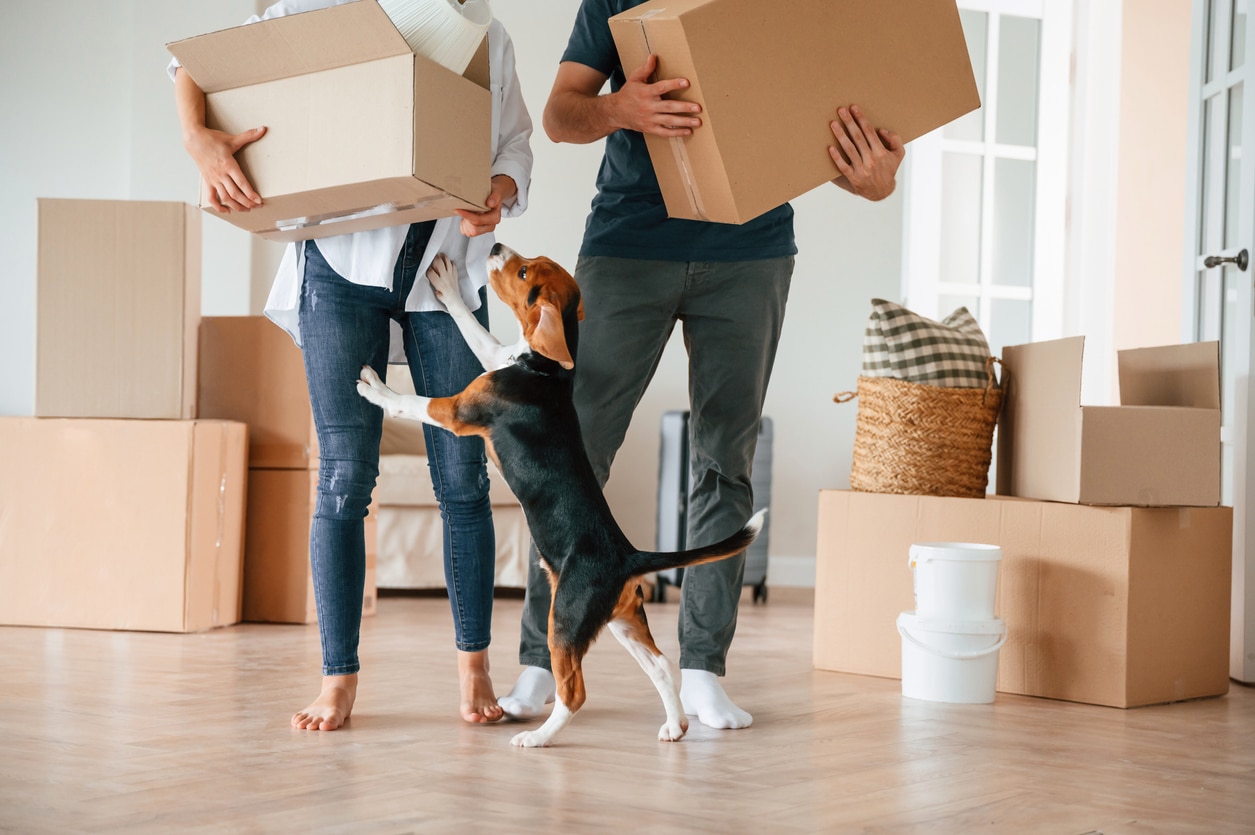
Moving with a dog — just like living with one — isn’t simple. The unfamiliar places, long travel days, and constant disruption can leave your dog feeling anxious and out of sorts pretty quickly. And if you’re moving cross-country with a dog, there’s a whole lot more to deal with. You’ll need a plan for the road, a plan for arrival, and a plan for helping your dog settle into your new home.
In this guide, we’ll break down how to move with a dog step by step to make the process easier for both you and your pup.
Tips for Moving With a Dog: Early Planning and Logistics
Moving with pets is always tricky, but the earlier you start planning, the more likely the move will be a success for you and your dog. Here are a few tips for moving with a dog to consider early in your planning phase.
Research state entry requirements
Each state in the U.S. has its own rules for pets entering that state, including dogs. For instance, California requires a signed and dated rabies vaccination certificate, and Hawaii enforces strict quarantine rules upon arrival.
Most states require a health certificate from a licensed vet, and many expect it to be issued within 10 days of travel, especially if you and your dog are flying. Still, requirements and regulations will vary by state, so it’s critical to confirm what your specific destination requires well before your move.
Check breed and transport restrictions
Your dog’s breed is another important factor to consider and research before making any set travel plans. Airlines often restrict brachycephalic (AKA short-nosed) breeds, like bulldogs and pugs, because they can have a harder time breathing during flights.
Your dog’s size matters, too. Smaller dogs may be allowed in the cabin, while larger dogs may need to travel as cargo or through a specialized pet transport service.
Before moving with a dog, confirm all your airline and housing policies ahead of time, especially if you’re moving cross-country and signing a lease sight unseen.
Organize a dog travel folder
Consider putting together a handy folder with all the paperwork you might need access to during the move — and ensure you have both digital and physical copies. When it comes to paperwork for your dog specifically, you’ll want to include:
Vaccination records
Any required health certificates
Microchip information
Recent photos of your dog
Prescription details
Contact information for your current vet
Choose a travel method
One of the more important aspects of moving with a dog is deciding how exactly you plan to get to your new home. Depending on the distance, you could either drive, fly, or use a professional pet transport service. Driving is often the best option when moving cross-country with a dog, especially if you hired full-service movers to transport your belongings separately. This gives you more control by allowing you to keep a close eye on your pup, stop often, and adjust your schedule as needed.
But the best option ultimately comes down to your dog’s individual needs. Things like your dog’s size, age, overall health, anxiety levels, and comfort with travel can all play a role in what makes the trip feel safer and less stressful for them (and you).
Tips for Moving With a Dog: Prepping for the Travel Day
The days leading up to your move might matter more than you think. Dogs can easily pick up on changes in the routine — and packing your bags or shifting your schedule can quickly start to raise their stress levels before you’ve even left. Here are a few things you can do to mitigate this.
Plan your route with your dog in mind
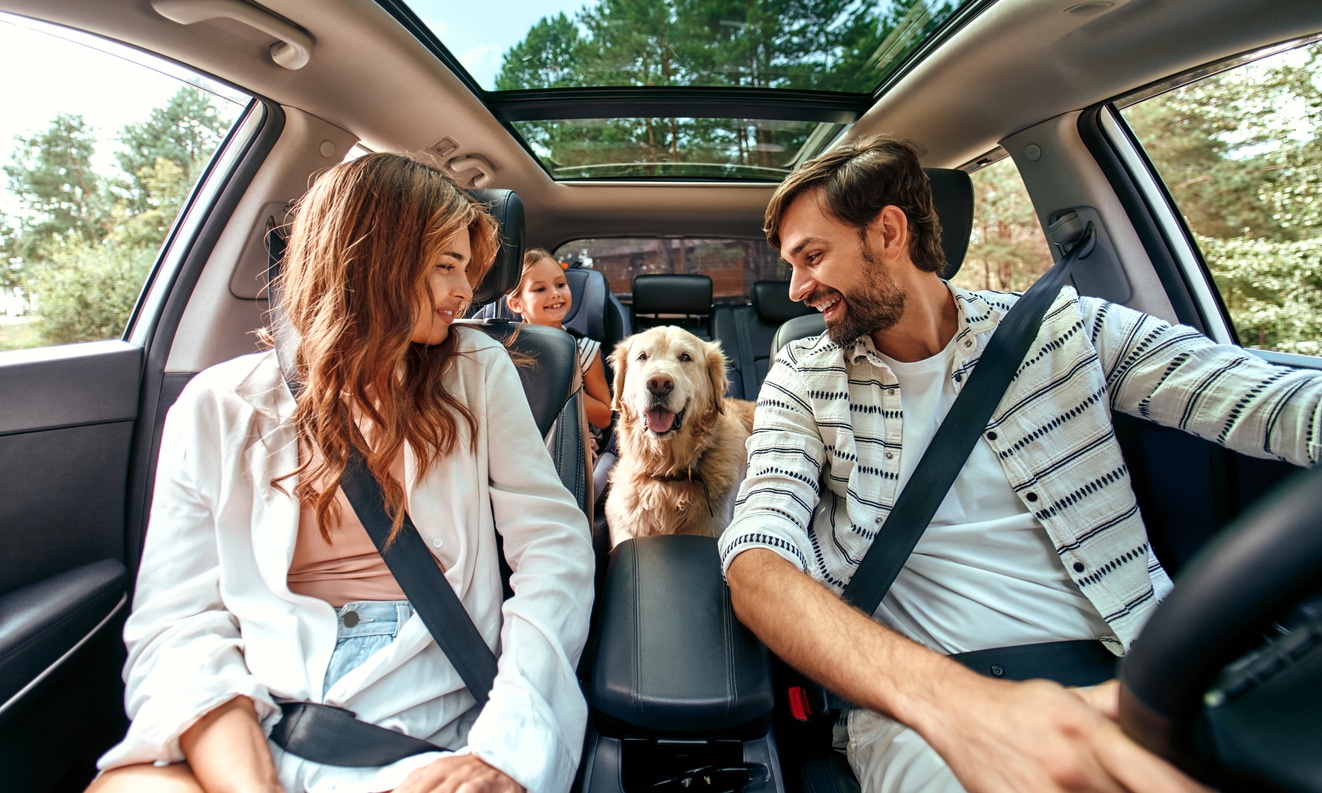
Long travel days wear dogs down and can make them cranky or anxious. If you’re moving cross-country with a dog via road trip, consider shortening your time on the road each day. Make sure to map out your route and plan stops where your dog can get out, move around, and drink water, before settling back in.
If you’re flying, ensure you leave ample time to go through security before your first flight. Try booking longer layovers where possible as well to allow for bathroom breaks and avoid rushing between flights.
Book dog-friendly accommodations in advance
Not every hotel or rental is dog-friendly. Some have strict no-pet policies, and others may have weight limits, breed restrictions, or added fees — and trying to figure that out after a long day of travel is the last thing you’ll want to deal with.
Look into your options ahead of time. Compare hotels and short-term rentals, check the fine print, and confirm policies before you book so you can avoid any last-minute pivots.
Locate emergency vets along the route
While not likely, unexpected issues with your pup — whether it’s illness, injury, or a severe stress reaction — could arise during your move and may require fast attention.
Well before your move, search for emergency veterinary clinics along your route and save their contact info in your phone, just in case. Having that list ready to go can save you precious time if something does happen and can give you peace of mind throughout the trip.
Pack a dedicated dog travel kit
Just like you don’t want to go digging for your own toothbrush, you don’t want to have to dig through packed moving boxes to find something your dog needs. To keep everything accessible during the move, pack a separate travel kit for all of their important items.
Here are a few things to consider, including:
Food, water, and bowls
A leash or harness
A favorite toy, blanket, or bed with a familiar scent
Cleaning supplies like wipes, stain spray, and paper towels
Emergency items (e.g., a backup leash, seat covers, or crate liners)
Ready to get started on your move? Use our moving checklist to avoid missing a step. |
Tips for Moving With a Dog: How to Help Travel Day Go Smoothly
Travel day usually comes with lots of noise and constant disruptions. As doors are often left open as people move in and out, your dog could slip out or quickly become overwhelmed in the middle of the chaos. Before moving day, set up a quiet, secure room away from the commotion where your dog can relax and play. Here are a few other tips.
Build exercise into the travel day
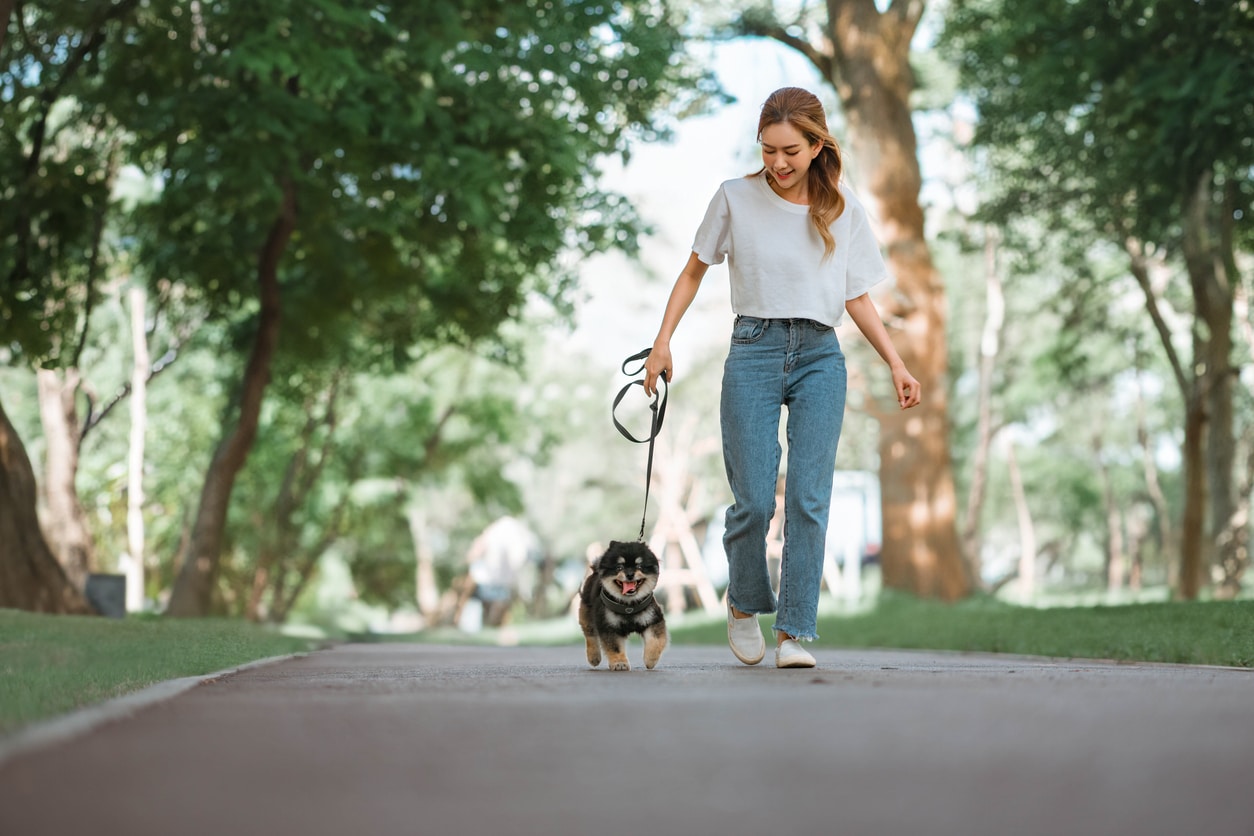
On moving day, a long walk to burn energy right before you leave can make a noticeable difference. Once you’re on the road (or in the air), be sure to build in regular breaks so your dog can stretch, move around, and take bathroom breaks.
Avoid overstimulation
On travel day, your pup will encounter plenty of new smells, sounds, and people, which can be a lot for them to process. That’s often why busy rest stops, crowded hotel lobbies, and other unfamiliar places can trigger stress or reactive behavior in some dogs.
So, keep things simple when you can. Limit your dog’s interactions with other dogs and people, especially during stops (if possible), and give them space to adapt and socialize on their own terms.

Maintain behavioral consistency
Dogs usually thrive on structure, and moving can derail their routine. To help them feel some semblance of consistency, use the same commands and rituals you normally would at home, including during stops or layovers.
Make sure to reward calm behavior with treats or praise. That can help your dog understand that, even when their environment changes, they’re still safe and supported.
Manage anxiety and illness
It’s also important to watch for signs of anxiety or motion sickness — like drooling, whining, or vomiting — in your dog before they turn into a bigger problem. Consider feeding them smaller meals and timing them carefully before your trip. And, when in doubt, consult your vet.
A dog’s anxiety can show up physically, too. You might notice them pacing, panting, or acting unusually clingy. To help, offer them a favorite blanket or toy, and always keep water on hand to help them stay hydrated.
Tips for Moving With a Dog: What to Do When Arriving at Your New Home
For your pup, arriving at your new home isn’t the finish line. Instead, think of it as a new chapter with new challenges. For them, the space is completely unfamiliar, and the smells are different — even a confident dog might feel unsure at first. Here are a few tips for helping your dog on the first day or two in your new home.
Do a safety check before letting your dog out
New homes often have small issues that are easy to miss — and could be potentially dangerous for your dog. Before letting them out to explore, check the space. Look for things like dangling cords, loose fencing, open gates, or gaps where your dog could slip through.
Do leash-only exploring at first
It’s tempting to let your dog roam at their leisure right away, but letting them ease into the space gradually often works better. Bring your dog inside on a leash and guide them through one room at a time so they can take everything in without feeling overwhelmed.
Having recognizable comforts nearby can also make a new environment feel much less stressful. Set up familiar items like your dog’s bed and water bowl right away, and keep them in consistent spots. It’s also a good idea to wait until your dog seems more settled before giving them full access to outdoor spots, , where unfamiliar sights, smells, and sounds can be overstimulating or make them more likely to bolt.

Monitor for travel fatigue
Long travel days can take a toll, even if your dog seems okay at first. This can manifest in different ways depending on your dog: some might sleep more than usual, while others may seem restless or unsettled.
Either way, give your dog a day or two to decompress. Don’t worry about playing too much and pay close attention to any changes in their appetite or behavior. A rough day is normal, but as always, if symptoms linger or start getting worse, it’s a good idea to check in with your vet.
Tips for Moving With a Dog: Settling Into Your New Home
The move may be over, but your dog could still be adjusting to all the changes. One of the most helpful ways to understand where they are in the process is through the “3-3-3 rule” for dogs when moving. This can give a realistic timeline for what your dog may experience in a new environment.
In the first 3 days, your dog will be getting used to just existing in a new space. They may seem quiet or a little unsure — and that’s completely normal. Over the next 3 weeks, you should have more established routines, and your dog will begin to catch on. By around 3 months, most dogs begin to feel truly settled and comfortable in their new home. Of course, every dog will adjust at their own pace, but this timeline can help you get a general idea of what to expect.
Reestablish a routine
Dogs thrive on predictability, especially after a big change. To help them (and you) truly feel settled, try to get back to a consistent schedule as soon as possible. This could look like feeding your dog at the same times each day, keeping walks predictable, and building in regular play and downtime.
Register your dog in a new state
After moving out of state with your dog, it’s also important to update their information and find your new local resources. Start by updating your dog’s tags and microchip information with your new address and phone number.
Once you’re settled, find a local vet and schedule a basic wellness visit. It’s also helpful to locate nearby dog parks, pet stores, groomers, and emergency veterinary clinics in advance so you know where to go if needed.
Be patient
Many people wonder how long it takes a dog to adjust to moving to a new home. The answer varies, but most dogs need several weeks to feel comfortable and a few months to fully settle in.
Over time, you should start to notice encouraging signs that your dog is adjusting to your new home — relaxed body language, healthy eating habits, normal sleep patterns, and renewed interest in playing or going on walks. These small moments are often a sign that your dog is beginning to feel safe, secure, and at home again.
A Smoother Move Starts With a Plan for You and Your Dog
Moving with a dog requires a lot of planning and patience, but if you can stay organized and keep your dog’s needs in mind, the move can feel much more exciting and a lot less chaotic.
As for the rest of your move, Colonial Van Lines can step in to make the process as smooth as possible. With extensive experience in long-distance moving services, our team can manage packing, loading, transportation, and delivery so you can focus on your dog’s transition. Get started with a free quote!